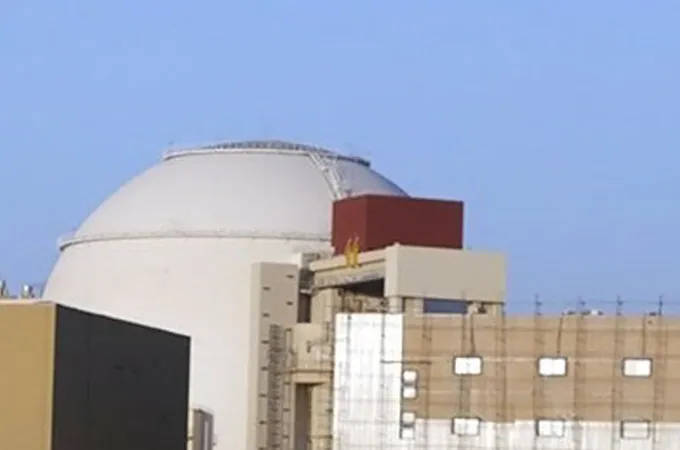
Warning signs of a regional escalation emerged on Sunday as US President Donald Trump intensified his rhetoric toward Iran, the United Arab Emirates reported a drone strike near its Barakah Nuclear Power Plant, and Saudi Arabia said it had intercepted three drones that entered its airspace from Iraq.
Pakistan has conveyed to the United States a revised Iranian proposal aimed at ending the Middle East conflict, a Pakistani source told Reuters on Monday, after US President Donald Trump rejected Tehran’s earlier plan as unacceptable.
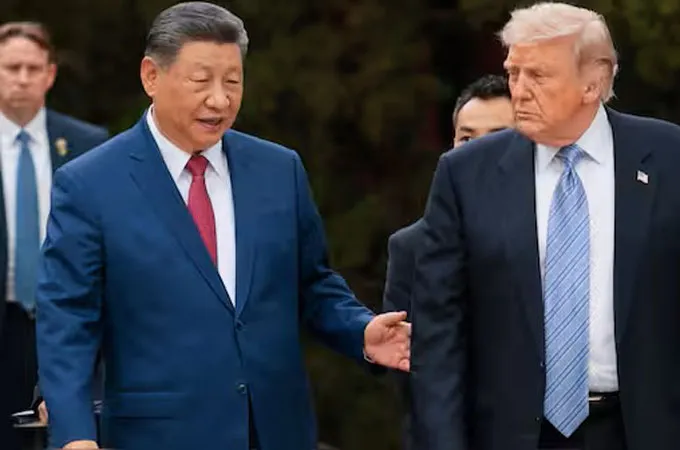
US President Donald Trump said his patience with Iran was running out and that Chinese President Xi Jinping had agreed during their talks in Beijing that Tehran must reopen the Strait of Hormuz.

Countries striking side deals with Iran to secure oil and gas shipments through the Strait of Hormuz are raising fresh concerns among Gulf exporters, as the lack of progress in US-Iran peace talks fuels fears that Tehran could entrench its new control over one of the world’s most critical energy corridors.
A Reuters survey showed that oil output Opec fell to a more than 20-year low in April, dropping 830,000 barrels per day to 20.04 million bpd as Strait of Hormuz disruptions linked to the US-Israeli conflict with Iran hit exports.

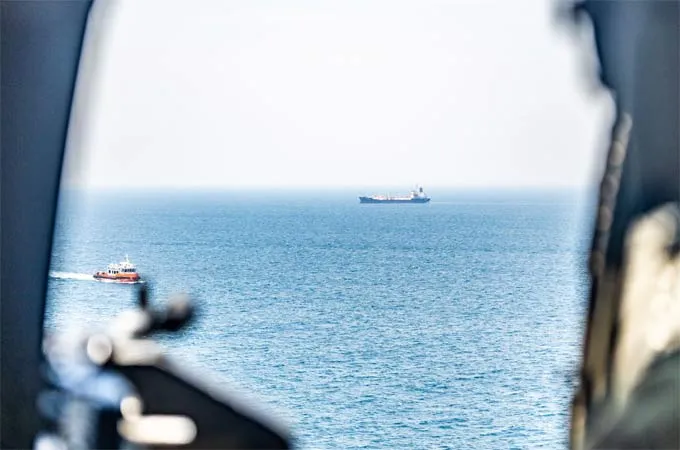
US President Donald Trump on Sunday rejected Iran’s response to a US peace proposal as “totally unacceptable,” dealing a fresh blow to efforts to end the conflict and raising the risk of renewed instability in the Gulf, where shipping through the Strait of Hormuz remains severely disrupted.
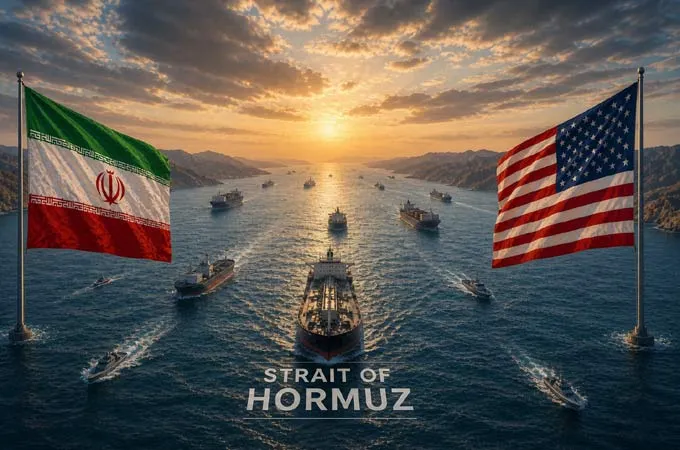
Iran has formally presented to Pakistani mediators its response to the latest US proposal aimed at ending the war, a source familiar with the matter confirmed on Sunday.
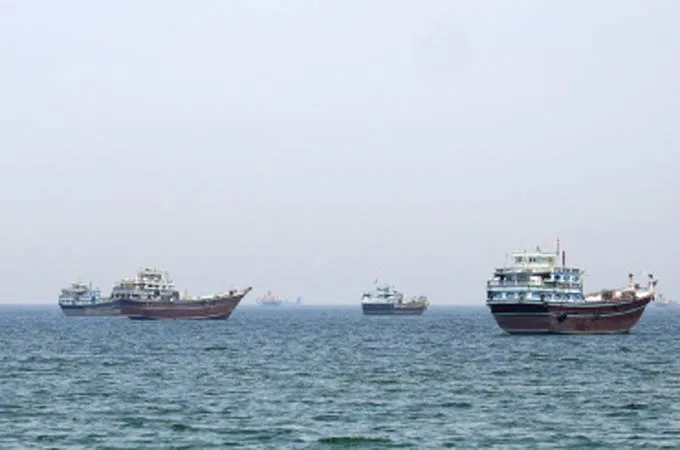
The message attributed to Iran’s Supreme Leader Mojtaba Khamenei comes as a recycled political narrative, built on repeating claims and falsehoods about the Arab Gulf states, in an attempt to impose a one-sided vision on a region undergoing major developmental and strategic transformations, writes Anwar Abdulrahman in a comment in the Gulf Daily News, our sister newspaper.
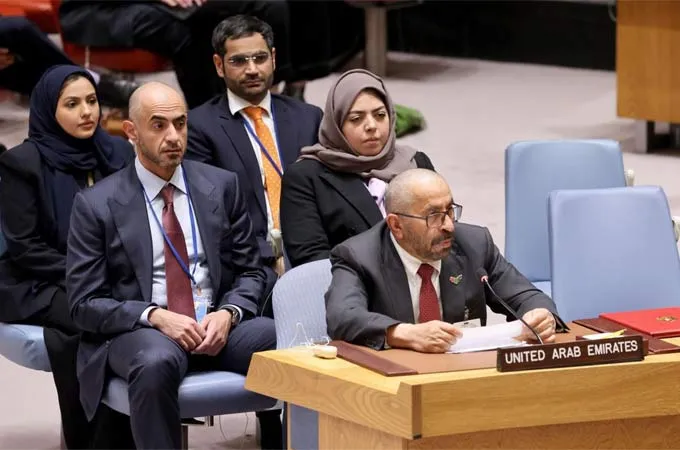
UAE has called for the immediate and unconditional reopening of the Strait of Hormuz, and for Iran to be held fully accountable for its unlawful obstruction of international navigation.
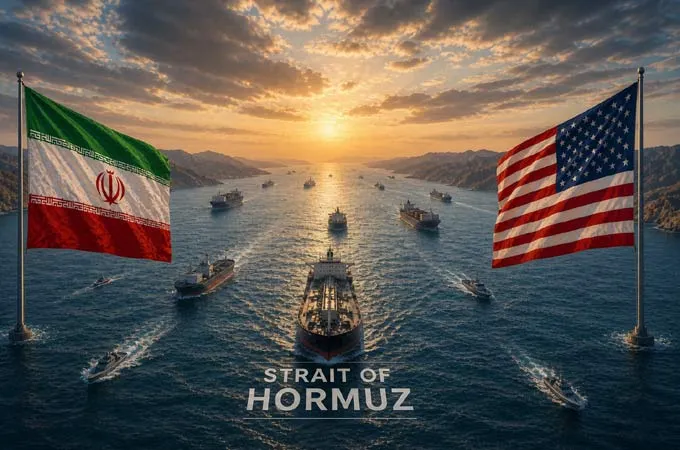
Iran has delivered its latest proposal for negotiations to end the war with US to Pakistan, a mediator, said IRNA news agency.