Canada has unveiled a nearly $70 billion clean energy investment centred on hydropower expansion in Newfoundland and Labrador and Québec, in a move that could strengthen the country's position as a major supplier of clean electricity and critical minerals to international markets.
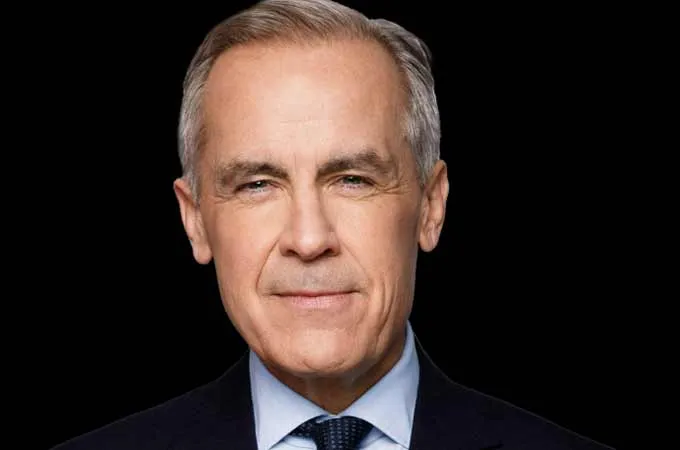
Prime Minister Mark Carney, alongside Québec Premier Christine Fréchette and Newfoundland and Labrador Premier Tony Wakeham, announced an agreement to upgrade and expand the Churchill Falls Generating Station, develop the massive Gull Island hydroelectric project and build related transmission infrastructure. The federal government will provide $10 billion in financing for the projects.
The combined developments are expected to generate 14,000 megawatts of clean power, nearly tripling Churchill Falls' existing generating capacity.
Canada said the projects will support about 23,000 jobs during construction and contribute an estimated $31 billion to the country's GDP through the early 2040s. The new electricity capacity is also expected to strengthen Canada's ability to meet rising domestic demand and export clean power.
The agreement also targets the Labrador Trough, a major mining region spanning Newfoundland and Labrador and Québec that contains significant deposits of high-purity iron ore and other critical minerals. Canada has referred the Labrador Trough Clean Power, Critical Minerals and Infrastructure Corridor to its Major Projects Office, which will coordinate federal financing, permitting and partnerships with Indigenous communities.
Several infrastructure projects will also receive support, including transmission expansion to connect western Labrador's critical-minerals operations to the electricity grid, infrastructure linked to the Kami iron ore project, a proposed transmission line and road serving the Lac Knife graphite project, and expanded minerals-handling and rail infrastructure at Pointe-Noire. The projects are intended to support mine electrification and strengthen supply chains for batteries, energy storage and low-carbon steel.
For Canada, the investment comes as governments seek greater energy security and more resilient critical-mineral supply chains amid rising geopolitical uncertainty. Carney said the agreement would help Canada build "clean, reliable, and affordable" energy systems, while Québec and Newfoundland and Labrador said the deal would give the provinces greater control and economic value from their natural resources. For Gulf investors and energy companies, the scale of the project highlights Canada's growing push to combine renewable power, critical minerals and export infrastructure into a single industrial strategy. -TradeArabia News Service