US forces attacked Iranian military facilities after Iran launched “unprovoked” missile, drone and small boat attacks against American warships transiting the Strait of Hormuz, US Central Command (CENTCOM) said.

Iran is expected to respond on Thursday to a US proposal aimed at ending the conflict and establishing a framework for broader nuclear negotiations, according to media reports, as diplomatic efforts intensified amid continuing tensions in the Gulf.
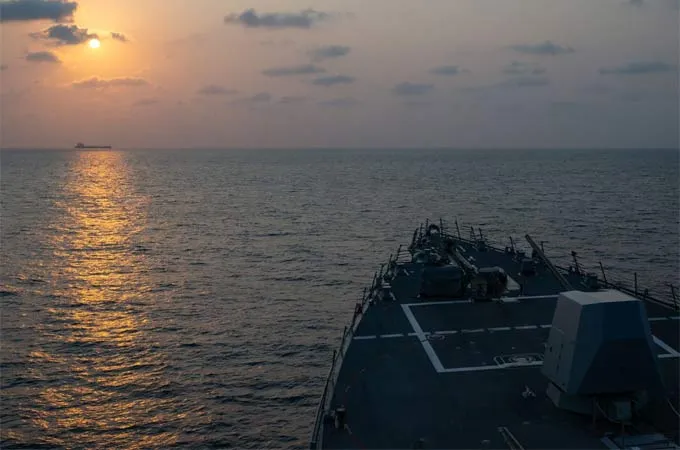
Several ships were hit by suspected Iranian missiles and drones in the Strait of Hormuz on Monday and a UAE oil complex was set on fire. This follows the launch of Project Freedom by US military to end the blockade of the shipping route.
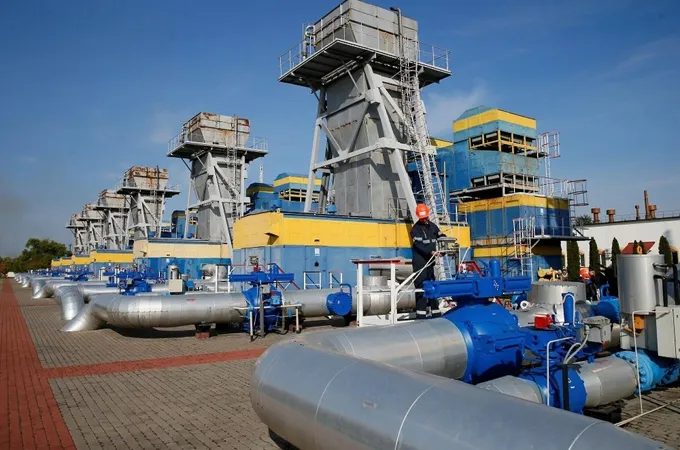
Global LNG exports fell to about 33 million tonnes in April 2026, the lowest in nearly two years, as Middle East tanker disruptions linked to the US-Israeli war with Iran impacted shipping flows.

US President Donald Trump has yet to decide whether to endorse a reported memorandum of understanding negotiated between US and Iranian officials, as the world awaits a potential extension of the ceasefire and eventual peace deal.
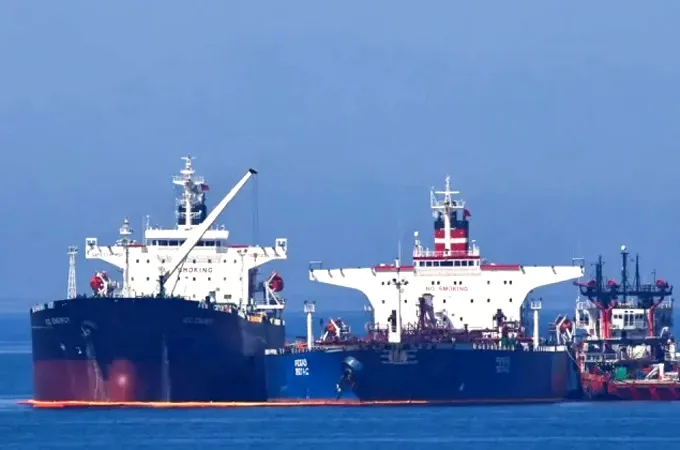
The United States has announced new sanctions on Iranian oil and petrochemical networks, the latest move in its 'maximum pressure' strategy to curb the country's key sources of income and limit funding for its military operations, said a report.

US President Donald Trump said he will soon review Iran's new 14-point proposal for peace, adding that he “can’t imagine that it would be acceptable.”
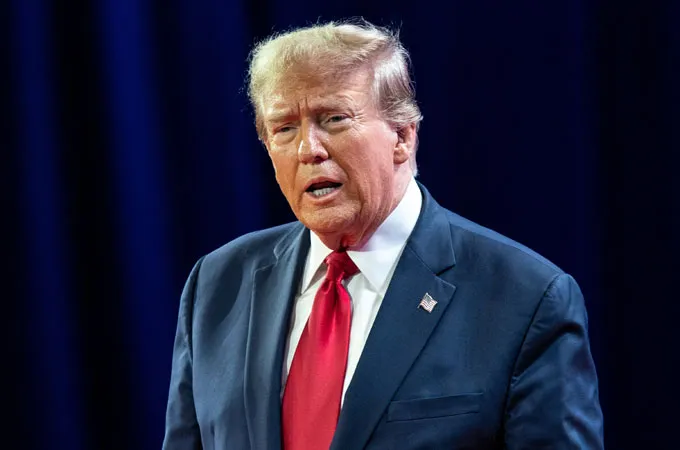
US and Iranian negotiators have reached an agreement on a 60-day memorandum of understanding to extend the ceasefire and launch negotiations on Iran's nuclear program, but President Trump has yet to give his final approval, Axios has reported quoting two US officials and a regional source involved in the mediation efforts.
Kuwait's Foreign Ministry strongly condemned on Thursday the Iranian attacks targeting its territories with missiles and drones, describing them as a dangerous escalation and a blatant violation of the country's sovereignty, security and territorial integrity.

Fresh US military strikes near Iran’s strategic port city of Bandar Abbas and comments from President Donald Trump that he would not be rushed into a deal, added to tensions in the Gulf, while oil prices rebounded after sharp losses earlier in the week.