The World Health Organization (WHO) has determined that the Ebola disease caused by Bundibugyo virus in the Democratic Republic of the Congo and Uganda constitutes a public health emergency of international concern (PHEIC).
However, it said it does not meet the criteria of pandemic emergency.
As of May 16, 2026, eight laboratory-confirmed cases, 246 suspected cases and 80 suspected deaths have been reported in Ituri Province of the Democratic Republic of the Congo across at least three health zones, including Bunia, Rwampara and Mongbwalu.
In addition, two laboratory confirmed cases (including one death) with no apparent link to each other have been reported in Kampala, Uganda, within 24 hours of each other, on May 15 and 16, among two individuals travelling from the Democratic Republic of the Congo. On May 16, a laboratory confirmed case has also been reported in Kinshasa, the Democratic Republic of the Congo, among someone returning from Ituri.
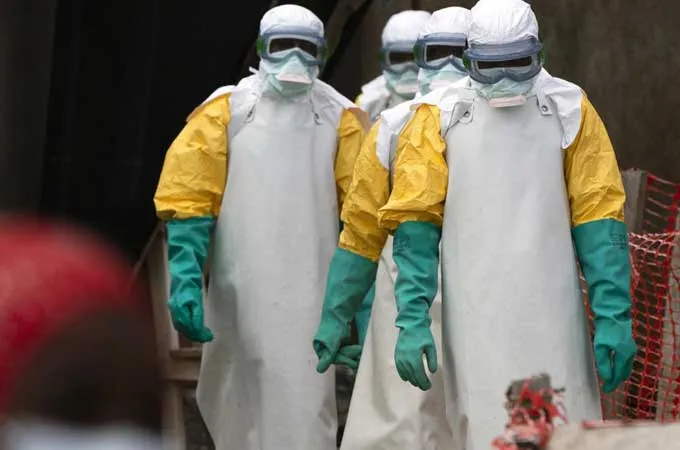
Unusual clusters of community deaths with symptoms compatible with Bundibugyo virus disease (BVD) have been reported across several health zones in Ituri, and suspected cases have been reported across Ituri and North Kivu. In addition, at least four deaths among healthcare workers in a clinical context suggestive of viral haemorrhagic fever have been reported from the affected area raising concerns regarding healthcare-associated transmission, gaps in infection prevention and control measures, and the potential for amplification within health facilities.
There are significant uncertainties to the true number of infected persons and geographic spread associated with this event at the present time. In addition, there is limited understanding of the epidemiological links with known or suspected cases, WHO said.
However, the high positivity rate of the initial samples collected (with eight positives among 13 samples collected in various areas), the confirmation of cases in both Kampala and Kinshasa, the increasing trends in syndromic reporting of suspected cases and clusters of deaths across the province of Ituri all point towards a potentially much larger outbreak than what is currently being detected and reported, with significant local and regional risk of spread.
Moreover, the ongoing insecurity, humanitarian crisis, high population mobility, the urban or semi-urban nature of the current hotspot and the large network of informal healthcare facilities further compound the risk of spread, as was witnessed during the large Ebola virus disease epidemic in North Kivu and Ituri provinces in 2018-19.
However, unlike for Ebola-zaire strains, there are currently no approved Bundibugyo virus-specific therapeutics or vaccines. As such, this event is considered extraordinary, WHO said.
The event constitutes a public health risk to other states through the international spread of disease. International spread has already been documented, with two confirmed cases reported in Kampala, Uganda, following travel from the Democratic Republic of the Congo. Both confirmed cases were admitted to intensive care units in Kampala. Neighbouiring countries sharing land borders with the Democratic Republic of the Congo are considered at high risk for further spread due to population mobility, trade and travel linkages, and ongoing epidemiological uncertainty.
The event requires international coordination and cooperation to understand the extent of the outbreak, to coordinate surveillance, prevention and response efforts, to scale up and strengthen operations and ensure ability to implement control measures, the Director-General of WHO said.
WHO said no country should close its borders or place any restrictions on travel and trade. Such measures are usually implemented out of fear and have no basis in science. They push the movement of people and goods to informal border crossings that are not monitored, thus increasing the chances of the spread of disease, it said.
Most critically, these restrictions can also compromise local economies and negatively affect response operations from a security and logistics perspective.
National authorities should work with airlines and other transport and tourism industries to ensure that they do not exceed WHO’s advice on international traffic.
States Parties should provide travellers to Bundibugyo virus disease affected and at-risk areas with relevant information on risks, measures to minimise those risks, and advice for managing a potential exposure. - TradeArabia News Service