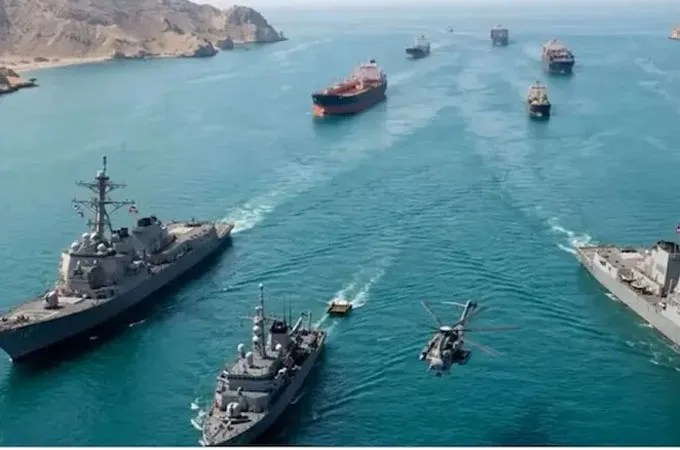
Iran will restore commercial shipping through the Strait of Hormuz to pre-war levels within a month as per the draft of an initial unofficial framework for a memorandum of understanding with the United States, a Reuters report quoting Iran's state TV said.
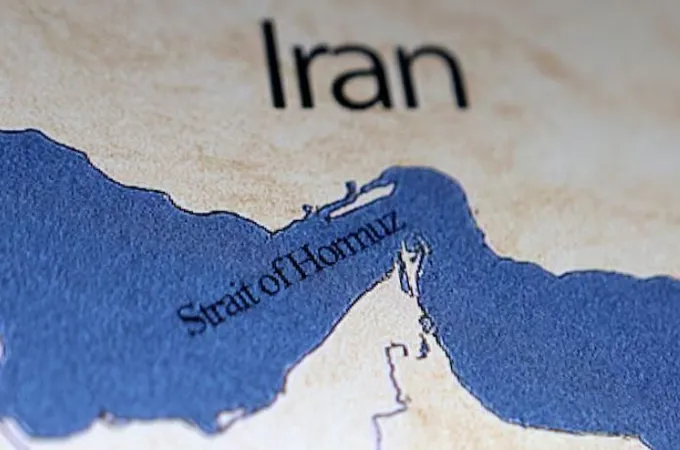
During a meeting with Clemens Augustinus Hach, the former German Ambassador to Bahrain, we had a candid discussion on regional and international affairs. I explained to him, quite frankly, our reservations regarding the West’s limited understanding of our region, only to be surprised when he remarked: “This is the first time I’ve heard such views expressed with this level of honesty.”

The US military said it carried out new strikes on southern Iran, targeting Iranian missile sites and boats attempting to place mines even as negotiations in Doha between Qatari mediators and Iran continued on a peace deal.
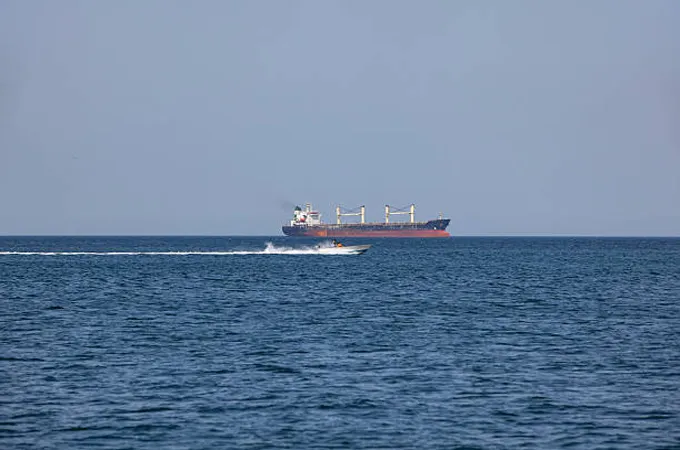
Two liquefied natural gas tankers passed through the Strait of Hormuz on Monday ( May 25) heading to route to Pakistan and China, while a supertanker carrying Iraqi crude for China departed the Gulf on Saturday after being stranded for nearly three months, according to shipping data cited by Reuters.

US President Donald Trump said on Sunday he had informed his representatives not to rush into a deal with Iran dashing earlier hopes that an agreement was imminent.

US President Donald Trump said on Saturday that a broader agreement between the United States and Iran had been “largely negotiated” and that the Strait of Hormuz would be reopened, signalling potential momentum toward ending the monthslong conflict.
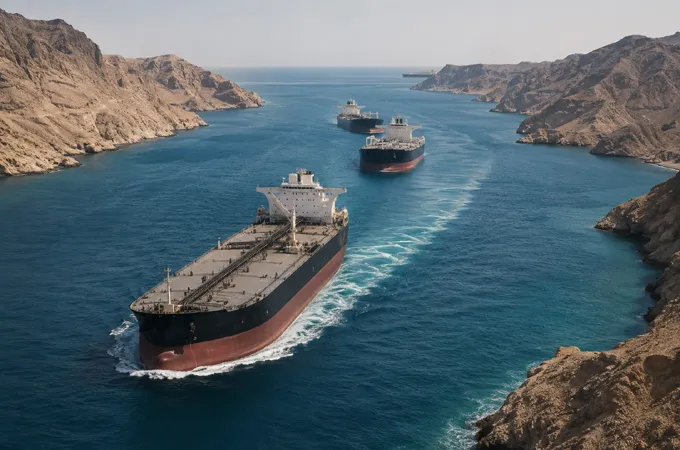
Three supertankers carrying 6 million barrels of Middle East crude resumed crossing the strategic Strait of Hormuz on Wednesday, signalling tentative hopes for stability in global oil flows as US President Donald Trump indicated he was prepared to give Iran a few more days to respond to Washington’s latest proposal aimed at ending the conflict.

Hopes of a breakthrough in efforts to end the US-Israeli conflict with Iran rose after President Donald Trump and Vice President JD Vance struck an optimistic tone, suggesting that negotiations with Tehran were making significant progress and that a deal to halt hostilities could be within reach.
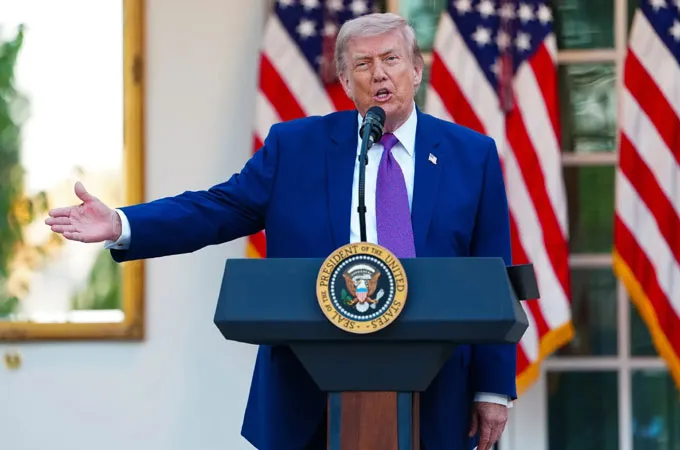
US President Donald Trump said on Monday he had paused a planned attack against Iran after Tehran sent a peace proposal to Washington, and that there was now a "very good chance" of reaching a deal limiting Iran's nuclear programme.
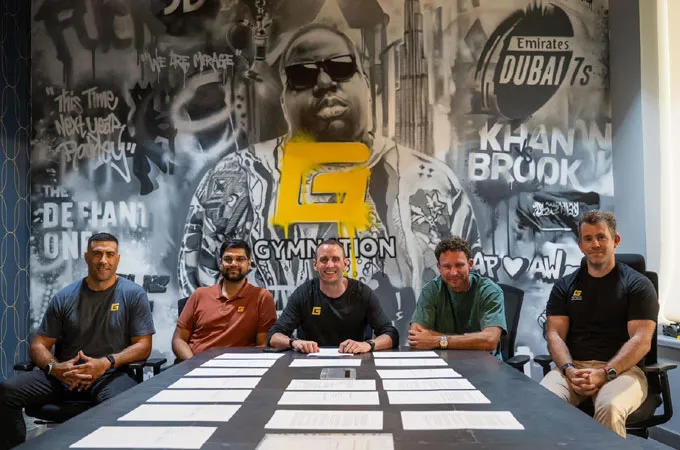
GymNation, an upcoming gym operator, has secured a $100 million private credit facility from certain funds and entities controlled by HPS Investment Partners, a part of global asset manager BlackRock, in one of the first regional investments of its size since the Iran conflict commenced.