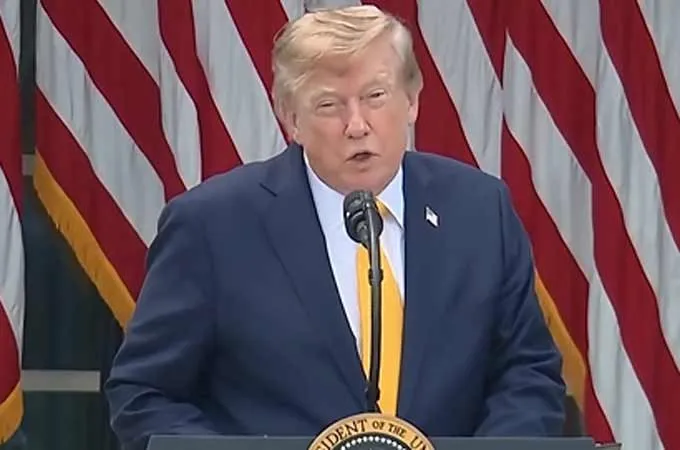
Two US warplanes were downed over Iran, said media reports, with two pilots rescued and a third still missing and being hunted by Tehran's forces. The incidents show the risks still faced by US jets over Iran despite assertions from President Donald Trump that their forces had total control of the skies.

Mixed signals from the United States are adding to uncertainty over the direction of the Iran conflict, even as Donald Trump is set to receive a high-level military briefing on potential next steps.

Oil prices continued to climb on Thursday with no sign of easing, as markets priced in a prolonged supply squeeze from the Middle East following stalled negotiations and firm signals from Donald Trump that the blockade on Iran will remain in place.

US President Donald Trump on Thursday warned the US military will destroy bridges and electric power plants in Iran, even as the world awaited an end to the conflict.

Abu Dhabi authorities said they responded to two incidents of falling shrapnel at the Habshan gas facilities and the Ajban area, following successful interception by air defence systems.
US President Donald Trump has said that he is going to keep Iran under a naval blockade until the regime agrees to a deal that addresses US concerns about its nuclear programme.
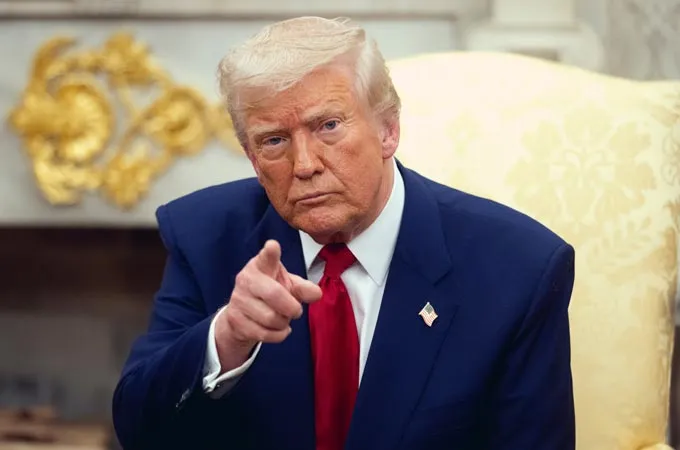
US President Donald Trump said Iran had indicated it was in a “state of collapse” and was seeking the urgent reopening of the Strait of Hormuz, even as efforts to end the two-month conflict remained deadlocked.

The latest proposal by Iran to end the war is unlikely to be accepted by US President Donald Trump, a CNN report said quoting sources.

The sharp rise in global air cargo rates following the outbreak of war involving the US, Israel and Iran is showing signs of slowing, as a fragile ceasefire allows capacity to gradually return to Middle East markets. The recovery was led by Gulf markets, where the capacity shortfall narrowed to 46% from 53%.

Fresh diplomatic momentum is building around possible talks between the United States and Iran, with both sides signalling cautious openness even as they stop short of confirming direct engagement.