Seven OPEC+ countries will raise oil output targets by 188,000 barrels per day in June, the third consecutive monthly increase, OPEC+ said in a statement.
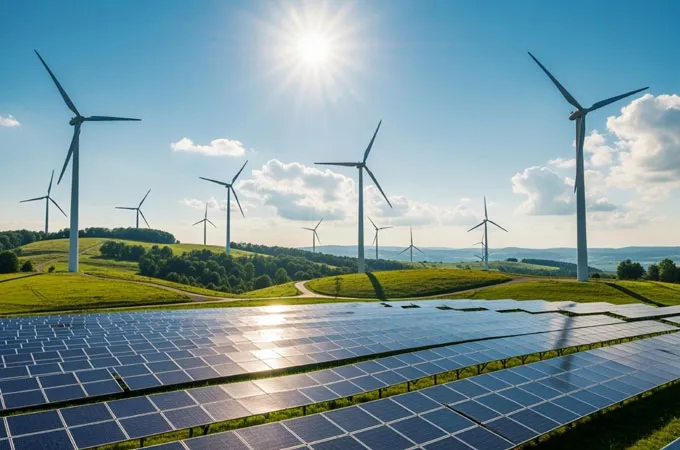
Global energy investment is expected to reach $3.4 trillion in 2026, with $2.2 trillion going to low-emissions and grid technologies and $1.2 trillion to fossil fuels, according to the IEA report.
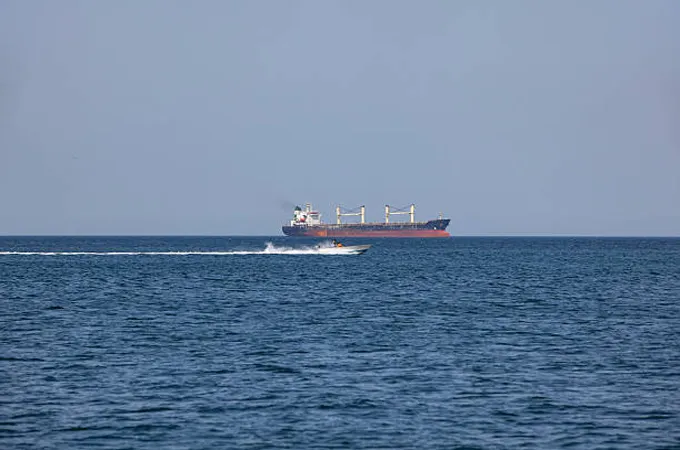
Two liquefied natural gas tankers passed through the Strait of Hormuz on Monday ( May 25) heading to route to Pakistan and China, while a supertanker carrying Iraqi crude for China departed the Gulf on Saturday after being stranded for nearly three months, according to shipping data cited by Reuters.
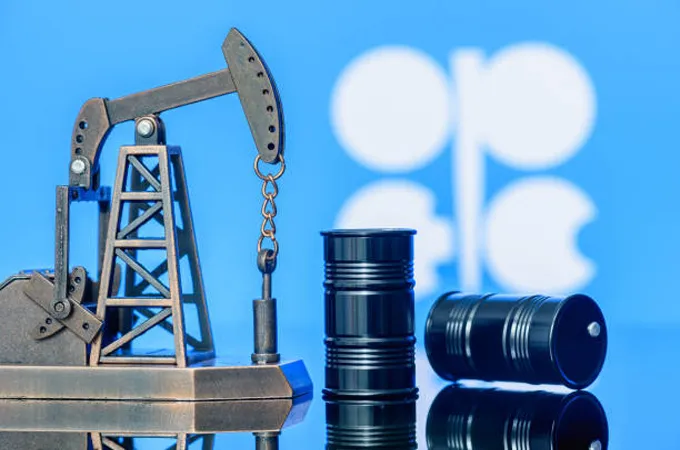
Seven leading producers in the Opec+ are likely to agree to a modest increase in July oil output when they meet on June 7, despite ongoing supply disruptions linked to the Iran war, four sources told Reuters.
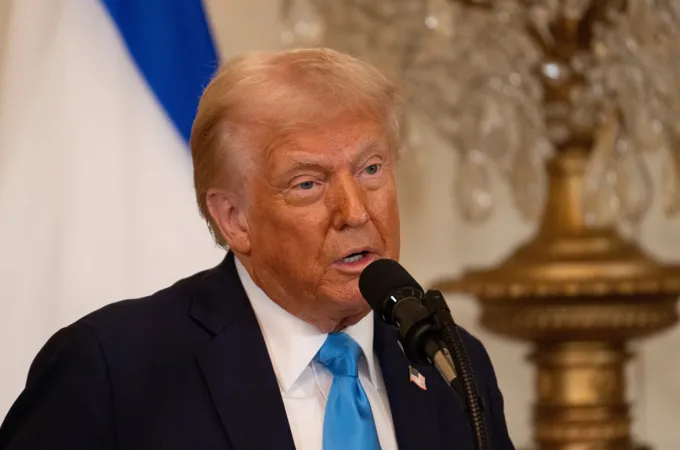
The agreement the US and Iran are close to signing involves a 60-day ceasefire extension during which the Strait of Hormuz would be reopened, Axios has reported. Iran would freely sell oil, and negotiations would be held on curbing its nuclear programme, it said.
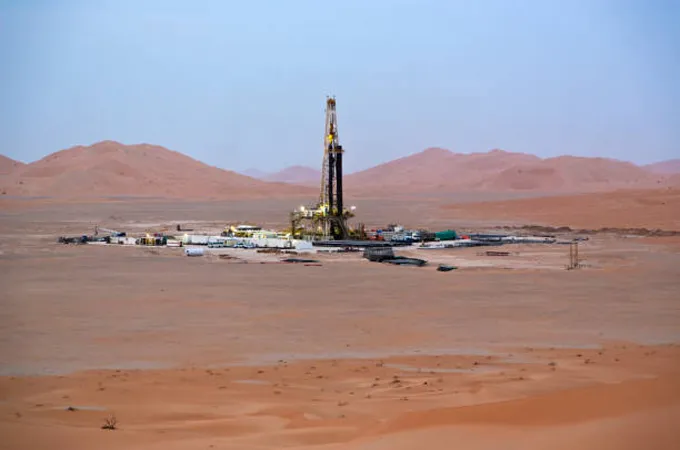
Ministry of Petroleum and Mineral Resources said Agiba Petroleum Company made its largest discovery in 15 years in Egypt’s Western Desert, with estimated reserves of 330 billion cubic feet of gas and 70 million barrels of oil equivalent.

The latest developments in the Middle East have pushed oil higher again, reintroducing some of the “war trades” that had faded in recent weeks. Markets are still being driven by a tug-of-war between strong fundamentals and rising macro risk, but the tone has become more cautious over the past 24 hours, said an expert.

The UAE's energy major ADNOC has announced two strategic collaboration agreements with Indian partners, reinforcing the strong and expanding UAE‑India energy partnership.
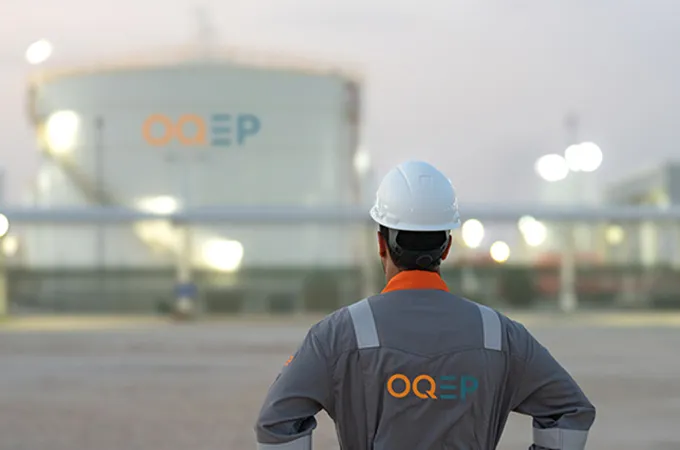
OQ Exploration & Production (OQEP), Oman’s oil and gas exploration and production company, reported resilient Q1 2026 results, with revenue of OMR296.4 million ($770.8 million), broadly stable year-on-year, supported by higher gas sales and an under lift adjustment for oil and condensates.
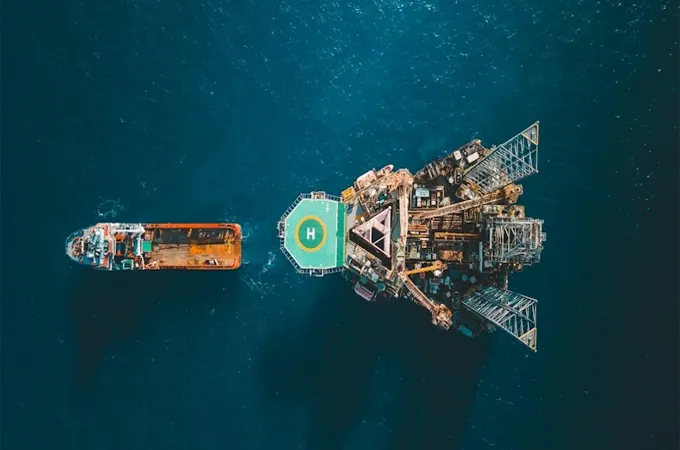
International Energy Agency (IEA) says global oil markets face disruptions in 2026 due to Middle East conflict and Strait of Hormuz restrictions, with demand forecast to fall by 420 kb/d to 104 mb/d, led by a sharp Q2 decline.