The latest developments in the Middle East have pushed oil higher again, reintroducing some of the “war trades” that had faded in recent weeks. Markets are still being driven by a tug-of-war between strong fundamentals and rising macro risk, but the tone has become more cautious over the past 24 hours, said an expert.

The UAE's energy major ADNOC has announced two strategic collaboration agreements with Indian partners, reinforcing the strong and expanding UAE‑India energy partnership.
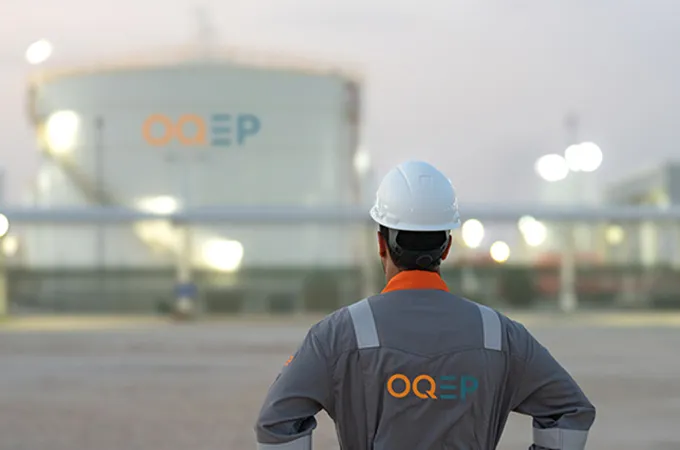
OQ Exploration & Production (OQEP), Oman’s oil and gas exploration and production company, reported resilient Q1 2026 results, with revenue of OMR296.4 million ($770.8 million), broadly stable year-on-year, supported by higher gas sales and an under lift adjustment for oil and condensates.

International Energy Agency (IEA) says global oil markets face disruptions in 2026 due to Middle East conflict and Strait of Hormuz restrictions, with demand forecast to fall by 420 kb/d to 104 mb/d, led by a sharp Q2 decline.
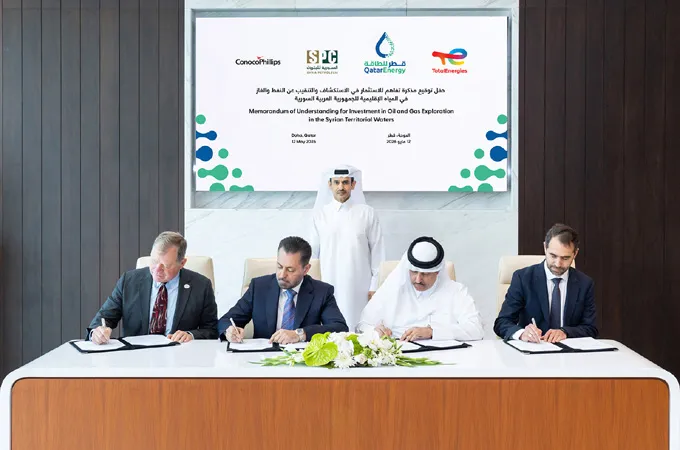
QatarEnergy signed a memorandum of understanding with TotalEnergies, ConocoPhillips, and the Syrian Petroleum Company for cooperation in oil and gas exploration offshore Syria.

Amin Nasser, President and CEO of Aramco, warned that ongoing disruptions to oil exports through the Strait of Hormuz could postpone the global oil market’s recovery until 2027, according to a report by Reuters.

Jeju Air, Jin Air and other Korean budget airlines cut 900 round-trip flights and introduced emergency measures as Middle East tensions pushed jet fuel prices sharply higher, with further flight reductions expected in coming months.
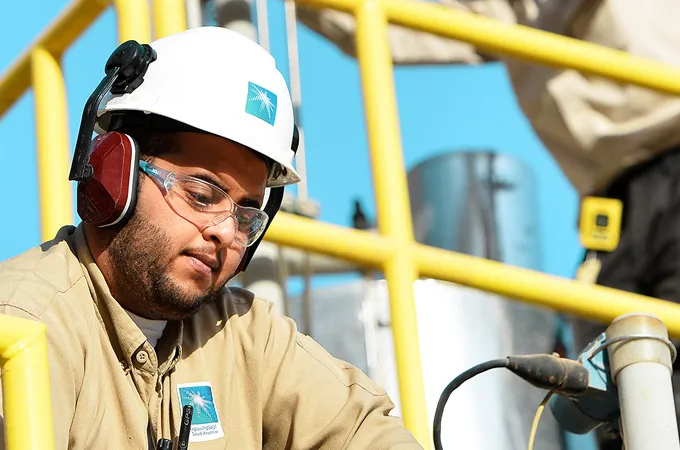
Oil giant Saudi Aramco reported a sharp rise in first-quarter profit on Sunday, citing strong operational resilience and the ability to maintain exports despite disruptions to shipping through the Strait of Hormuz.
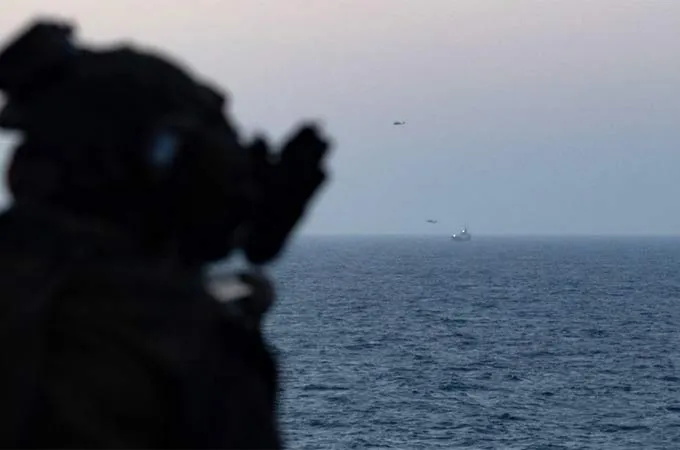
Oil prices extended their rally on Friday as geopolitical tensions around Strait of Hormuz remained unresolved, with both Iran and the United States showing no signs of de-escalation.
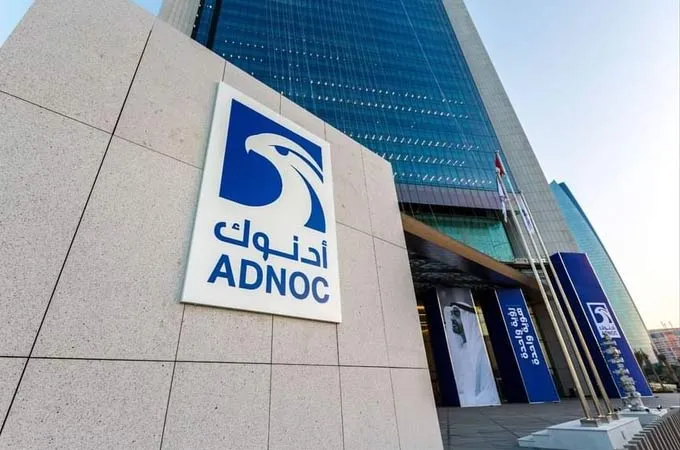
For ADNOC’s portfolio of listed companies, the UAE’s decision to conclude its membership of OPEC and OPEC+ removes a constraint that has historically limited how investment in capacity translates into activity and earnings, said a WAM news agency report.