The rapid growth of artificial intelligence (AI) and data centres is reshaping energy demand and increasing the focus on flexible generation, energy storage, critical power and smart energy management, according to Mark Ring, Group Director of Middle East Energy.
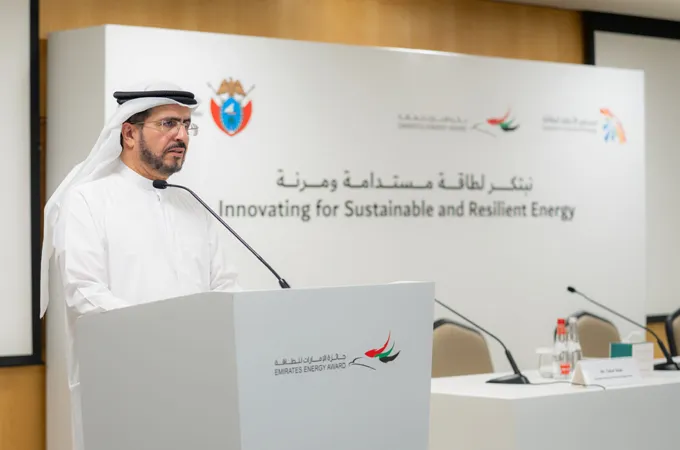
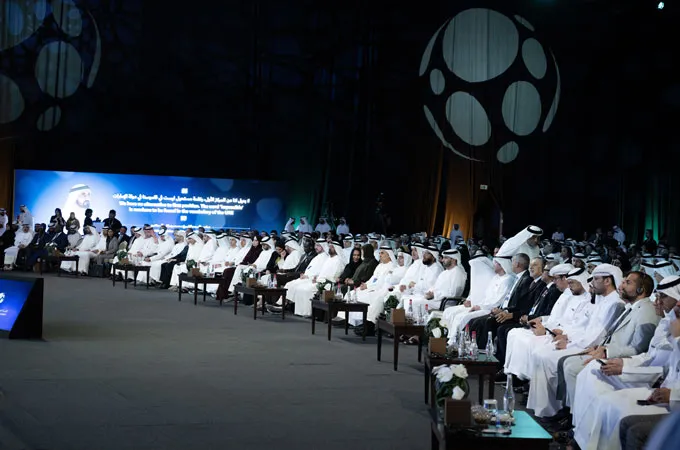
Speaking to the Emirates News Agency (WAM) during the 50th
edition of Middle East Energy, Ring said the UAE continues to play a key role
in shaping the global energy sector, supported by its focus on innovation,
sustainability and energy security.
He said the exhibition has evolved into a global platform
connecting industry leaders, policymakers, investors and decision-makers,
helping turn ideas and partnerships into projects. The event attracted more
than 30,000 energy professionals over three days.
Ring also announced that Middle East Energy will move to
Dubai Exhibition Centre at Expo City Dubai in 2027, a shift he said would
strengthen the event’s role as the energy sector evolves.
This year’s exhibition highlighted growing demand for
renewable energy, energy efficiency, storage, electricity transmission,
reliable backup power and smart energy management. Products including
switchgear, transformers and transmission equipment attracted strong interest
as electricity consumption rises.
Ring pointed to PVFarm’s Innovation Award for its
pre-construction intelligence software for solar-plus-storage projects as an
example of the growing importance of long-term planning in energy investment.
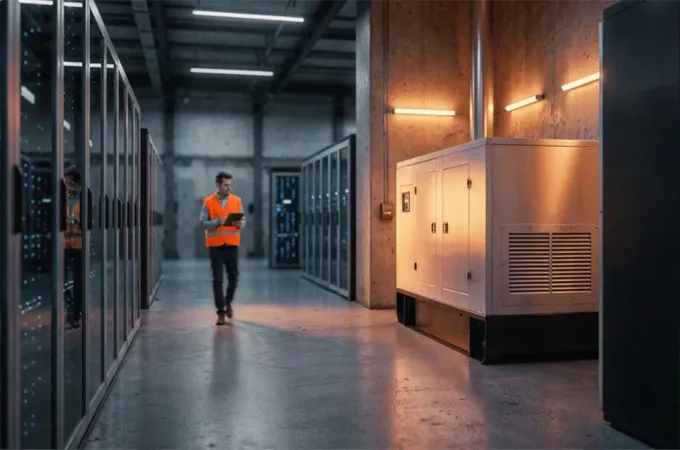
AI and data centres are emerging as major new sources of
electricity demand. Citing forecasts from Rystad, Middle East Energy’s
Intelligence Partner, Ring said electricity demand across the Middle East and
North Africa is expected to rise from 1,671 terawatt-hours in 2025 to 3,670
terawatt-hours by 2050.
Data centres, hydrogen, industry and transport are expected
to contribute to the growth.
The exhibition reflected this shift through its Powering AI
track and increased focus on flexible generation, storage and critical power.
Ring said the region’s energy transition is moving from
ambition to implementation, citing a Global Energy & Efficiency roundtable
involving 30 global companies and plans for a memorandum of understanding to
advance implementation.
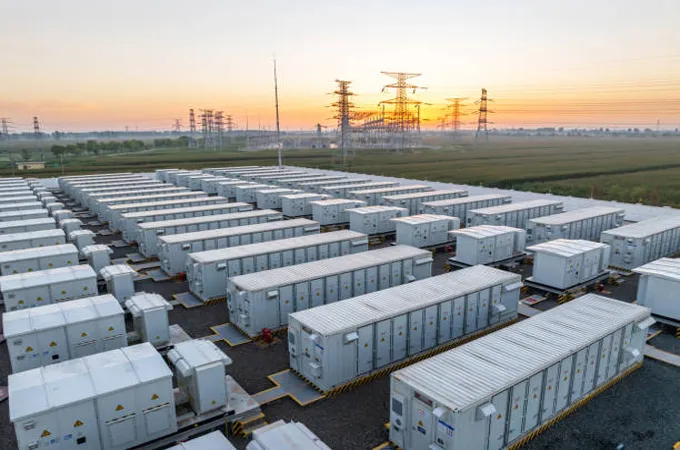
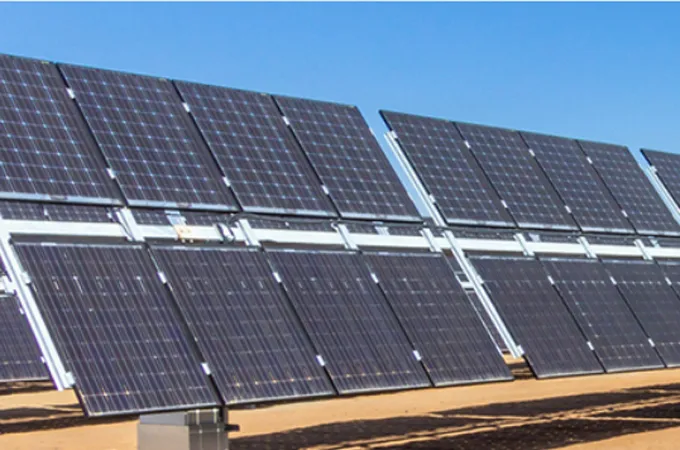
He identified energy storage, grid modernisation and digitalisation as major trends, highlighting the UAE’s plans for large-scale solar projects paired with battery storage to expand renewables while maintaining grid stability.