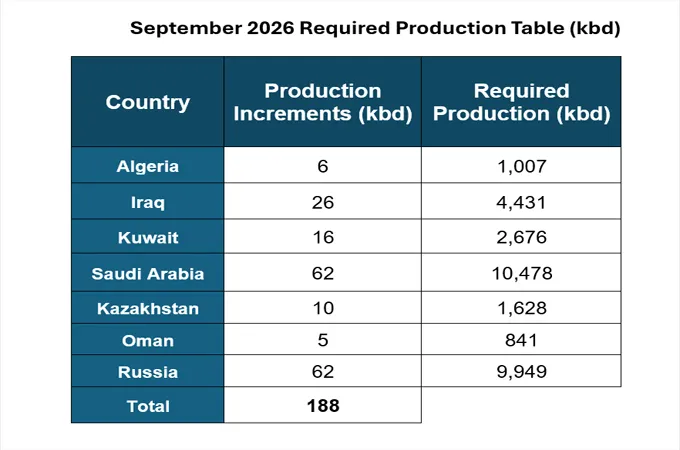
Opec+ members have agreed to increase oil production by a combined 188,000 barrels per day in September 2026, as part of the gradual easing of voluntary output cuts introduced in April 2023 to support market stability.

Iran appears to be losing significant control over the Strait of Hormuz as commercial vessels increasingly use an Omani shipping route despite Tehran’s warnings, while US President Donald Trump has ruled out any current or planned negotiations with Iran, adding to uncertainty over the strategic waterway and pushing oil prices higher.
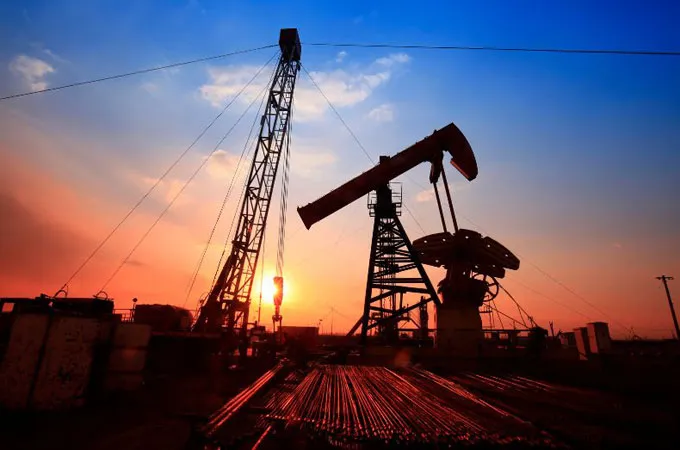
Oil extended gains for a fourth day in Asia trade, with Brent and WTI near three-week highs. Brent crude edged up 26 cents to around $91.28 a barrel, while US WTI crude rose 37 cents to around $85.31.
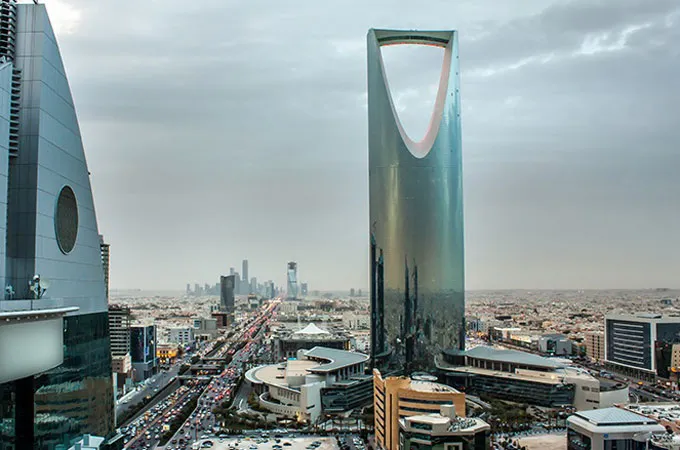
Saudi Arabia’s real gross domestic product contracted 4.8% year-on-year in the second quarter of 2026, said a report, as a 24.7% decline in oil activity outweighed growth in non-oil activities and government output. Non-oil activity grew 0.6% in the quarter, while government activity rose 0.9%.
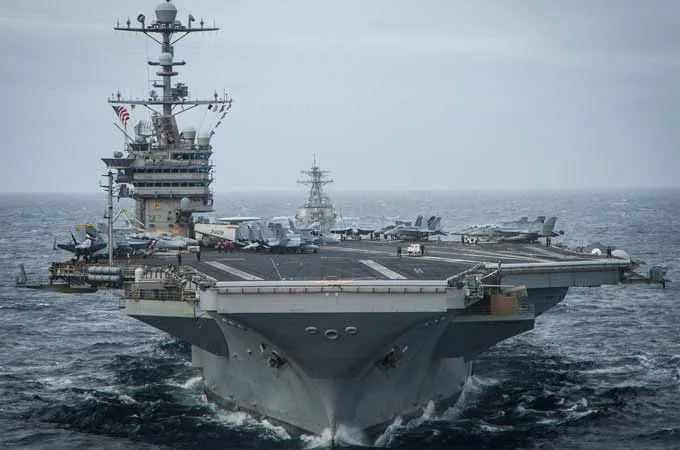
Two ADNOC vessels were attacked while transiting the Strait of Hormuz on Thursday, adding to growing tensions in the strategic waterway as the United States prepares tougher economic measures against Iran.
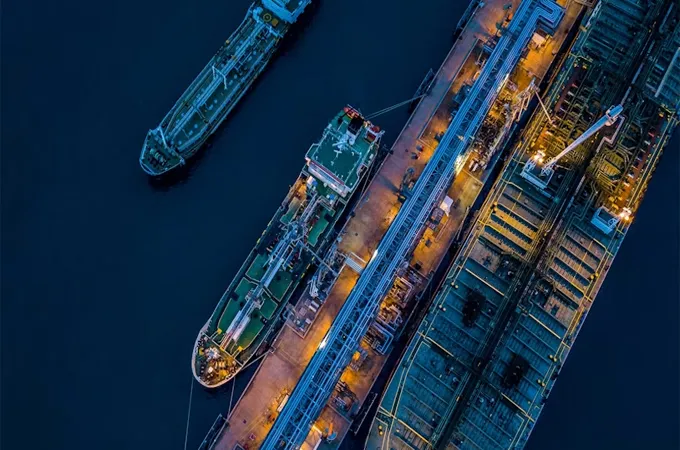
Renewed Gulf export disruptions have derailed the global oil market recovery, prompting the International Energy Agency (IEA) to cut its 2026 supply and demand forecasts. Global oil demand is now expected to decline by 1.6 million barrels per day as the Strait of Hormuz remains closed.
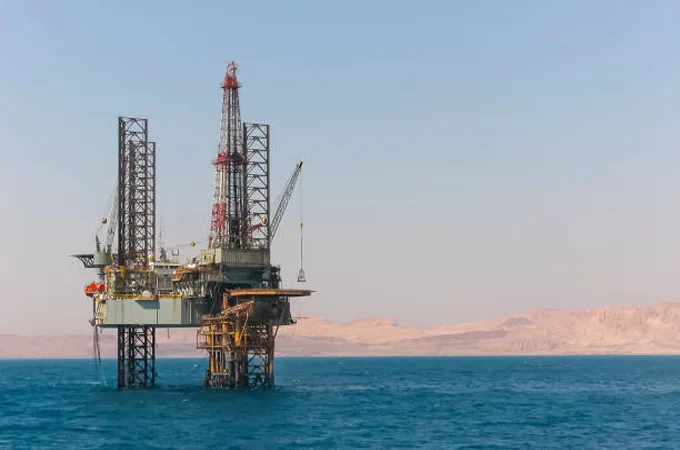
Egypt’s exploration sector has delivered positive results over the past two fiscal years, with 149 exploration wells drilled and 112 new discoveries made, including 88 crude oil and 24 natural gas finds, the government said. Among the notable discoveries was the Denis offshore gas field in Port Said.
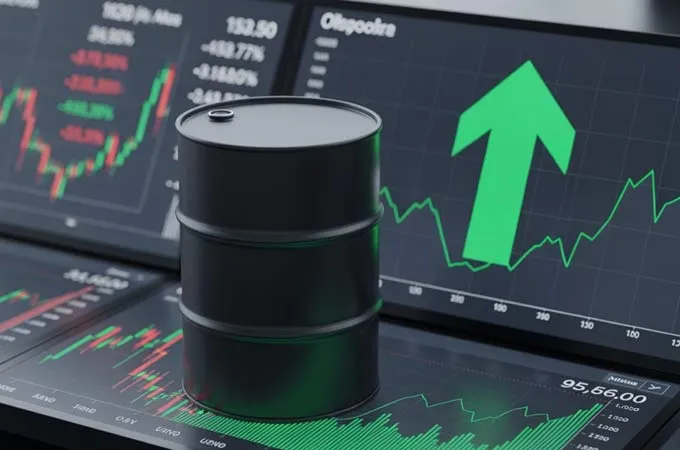
Oil prices extended their rally on Tuesday after surging about 5% in the previous session, as fresh demands by US President Donald Trump and Iran's insistence on major concessions from Washington cast renewed doubt over efforts to reopen the strategically vital Strait of Hormuz.
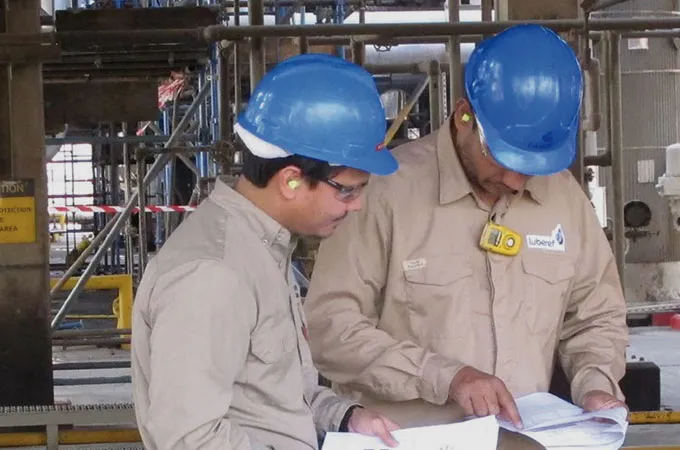
Saudi Aramco Base Oil Company (Luberef) has announced that it had extended its utilities sales and land lease agreement with its majority stakeholder and global oil giant Aramco through 2030, supporting the continued operation of its key facility in Jeddah as well as Group I base oil production.
Oil prices climbed nearly 2% on Wednesday as renewed US airstrikes on Iran and fresh sanctions on Tehran's oil exports reignited concerns over supplies from the Middle East after attacks on commercial vessels in the Strait of Hormuz.