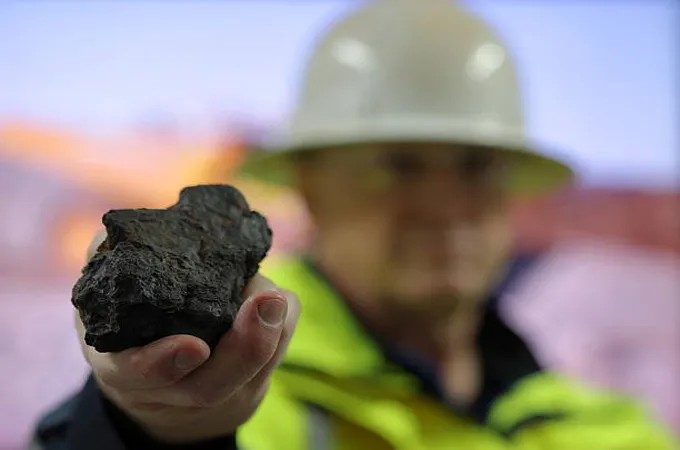
Oil prices surged above $100 a barrel on Thursday as the escalating US-Iran conflict intensified fears of a prolonged disruption to crude supplies, with attacks on tankers and a sharp decline in shipping through the Strait of Hormuz adding to market anxiety.

Oil prices remained under pressure on Tuesday after suffering steep losses over the previous two sessions, as growing optimism over a potential breakthrough in US-Iran diplomacy raised hopes that the Strait of Hormuz could soon be reopened to normal shipping, easing fears of disruptions to global crude supplies.
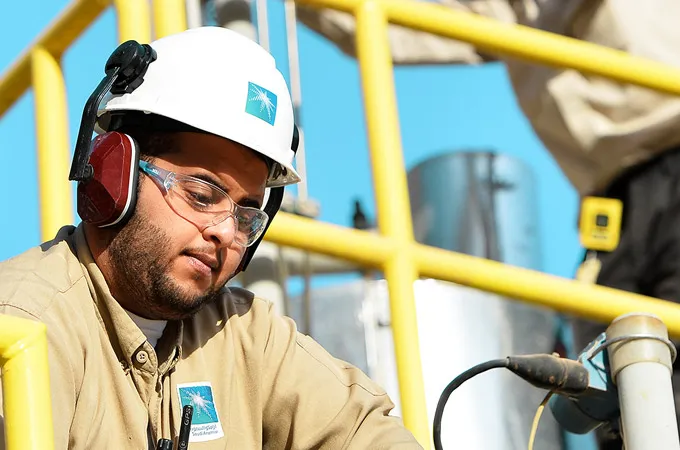
Saudi Aramco reported a strong financial performance for the first half of 2026, posting adjusted net income of $67.2 billion, as the world's largest oil producer maintained crude supplies despite unprecedented disruptions to shipping through the Strait of Hormuz.

Oil prices recovered on Tuesday after suffering their steepest one-day decline in weeks, as persistent concerns over potential supply disruptions in the Middle East outweighed optimism that diplomatic efforts could quickly end the five-month-old conflict between the United States and Iran.
The Saudi Oil Sustainability Programme (OSP) has won two international Vega Digital Awards for its “We Know Its Worth” campaign, launched to mark Saudi Arabia’s 95th National Day and highlight the importance of oil in everyday life.
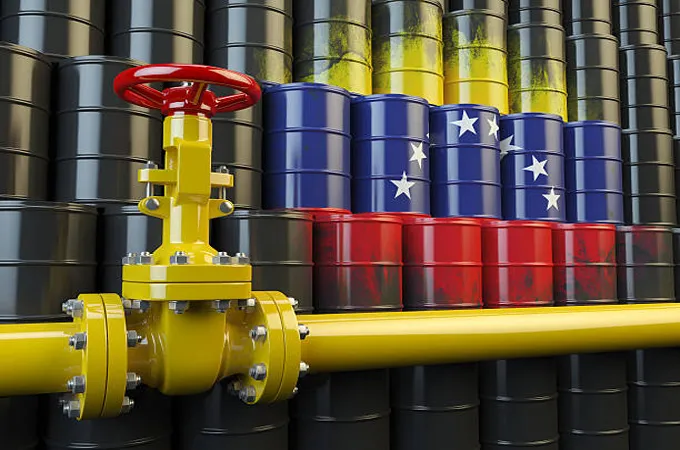
The US and Venezuela have reached a major oil agreement granting Washington access to more than 65 billion barrels of reserves, with President Donald Trump calling it the “biggest oil deal in world history.” Venezuela says the agreement could attract more than $100 billion in investment.
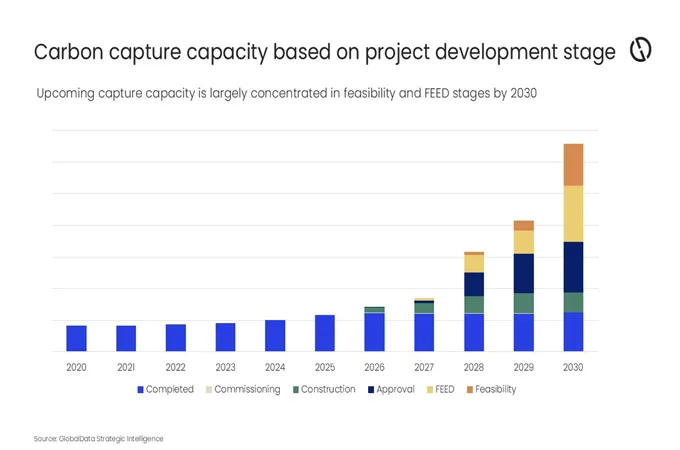
More than 70 per cent of operational and upcoming carbon capture facilities globally were associated with energy assets as of June 2026, highlighting the continued role of oil and gas companies in carbon capture, utilisation and storage (CCUS), according to GlobalData.
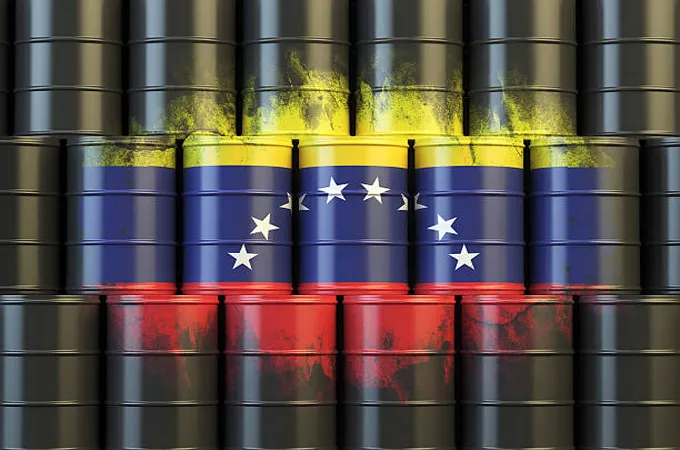
Venezuela’s oil production has surpassed 1.23 million barrels per day, reaching its highest level since February 2019, interim President Delcy Rodriguez said.
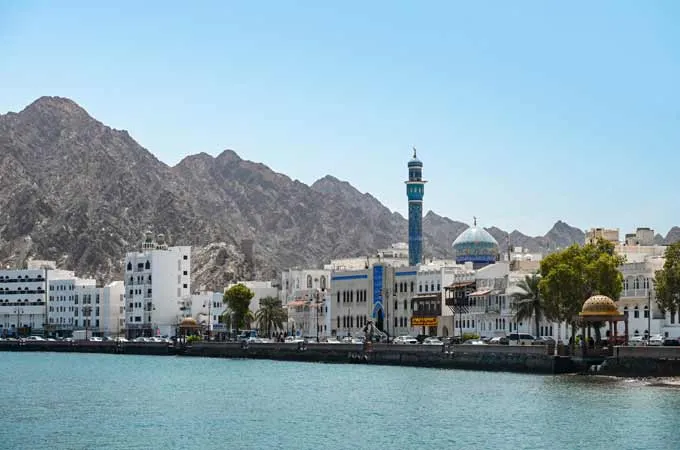
Oman's public revenues recorded a 13 % increase by the end of the second quarter of 2026, reaching approximately OMR6.602 billion ($17.17 billion), compared to approximately OMR5.839 billion during the corresponding period of the previous year.

Iran and China have pushed back against US President Donald Trump’s threat to impose what Washington says will be the “toughest sanctions in history” on Tehran, warning that unilateral economic pressure could further destabilise the region and damage global trade.