Oil prices climbed again to stay above the psychologically important $100-a-barrel mark on Tuesday as renewed concerns over Gulf security offset signs of improving Saudi crude flows through the Strait of Hormuz.

China National Offshore Oil Engineering has announced the groundbreaking of its biggest international offshore project - Bul Hanine EPIC in Qatar - with a total contract value of $4 billion. The project is being developed in the country's Bul Hanine oilfield by QatarEnergy.

Oil prices fell more than 2% on Monday to their lowest levels in more than a week as hopes for renewed US-Iran diplomacy reduced some of the geopolitical risk premium, while President Donald Trump signalled he could meet Iranian President Masoud Pezeshkian but warned Tehran that much bigger action could follow if it did not change course.
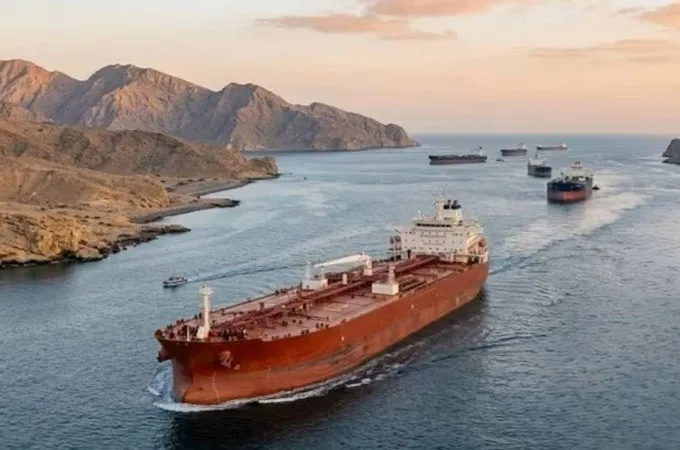
US forces had supported the safe transit of more than one billion barrels of crude oil through the Strait of Hormuz over the past two months, said its top official, adding that they had facilitated the transit of more than 2,000 commercial vessels through the Strait with “co-ordinated protection”.

Oil, gold and silver have followed markedly different trajectories over the past six months, as geopolitical tensions, changing US interest-rate expectations reshape global commodity markets. Oil has responded to geopolitical developments, while gold has been driven primarily by monetary policy and silver by both rates and industrial demand, said an expert.
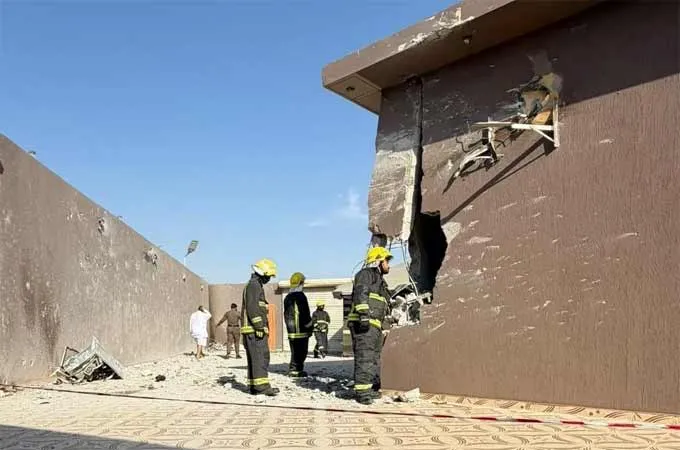
Oil prices fell about 1% on Friday, extending losses for a third consecutive session, even as Saudi Arabia and Yemen's Iran-backed Houthis exchanged fresh strikes and a tanker was hit in the Strait of Hormuz, with markets focusing instead on efforts to restore Saudi oil flows and alternative routes for Gulf exports.
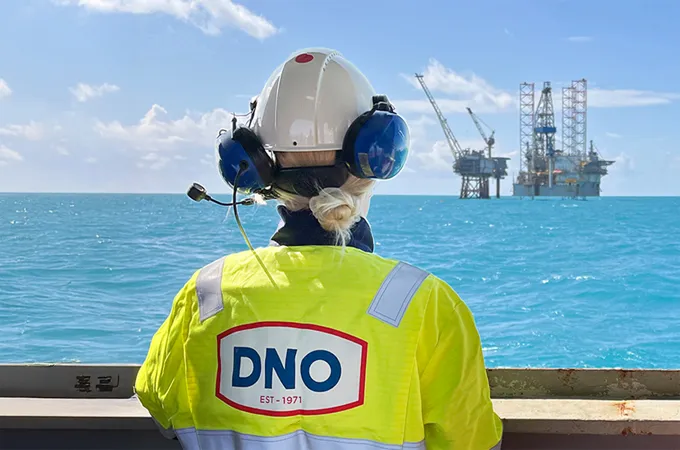
Norwegian oil and gas operator DNO ASA has announced that the boards of DNO, DNO Bidco AS and UK-based Capricorn Energy have agreed to revise the terms of its proposed acquisition of Capricorn, with shareholders now set to receive the full acquisition value in cash.
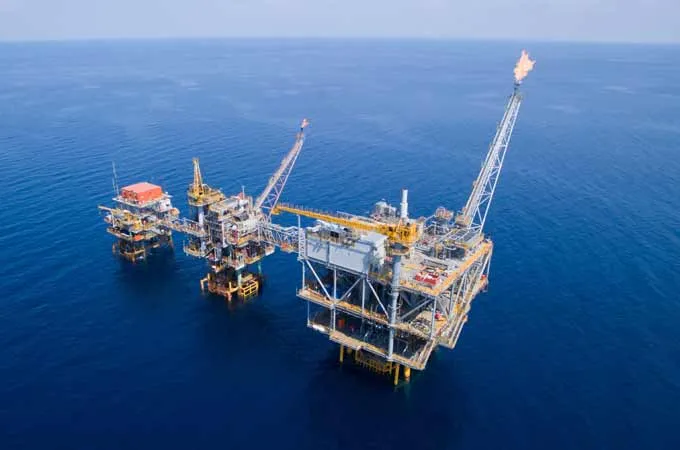
Oil prices held around $108 a barrel on Wednesday, near a four-month high, as markets grappled with mounting concerns over global energy supplies following the shutdown of Saudi Arabia's East-West oil pipeline and continuing attacks on key oil and shipping routes in the Middle East.

Global oil markets face a fresh supply shock after Saudi Arabia shut down its 1,200-km East-West Pipeline following multiple drone attacks, as continuing attacks on shipping in the Strait of Hormuz and a widening Houthi offensive in the Red Sea threaten to disrupt vital energy routes on both sides of the Arabian Peninsula.

Oil prices surged to their highest levels since May on Friday as the widening US-Iran conflict and a rapid Houthi advance in Yemen raised fears of a prolonged disruption to global crude supplies through the two strategic waterways of Hormuz and Bab al-Mandeb.