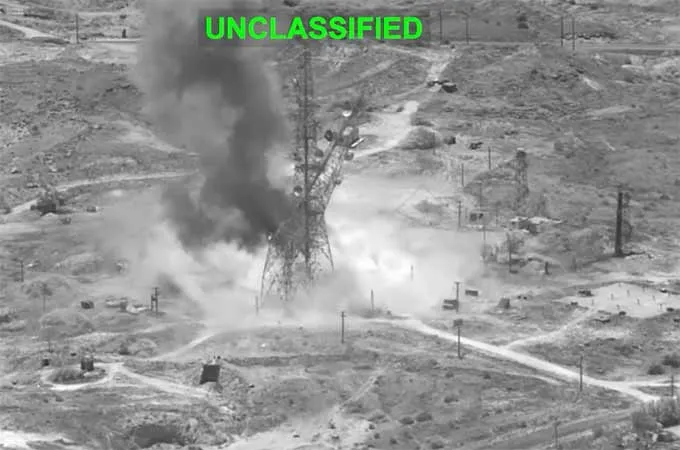
The United States launched fresh waves of air strikes against Iran on Wednesday, targeting military infrastructure linked to Tehran's ability to threaten shipping in the Strait of Hormuz, while Iran retaliated with attacks on US military sites across the region, pushing the Gulf closer to a broader conflict.
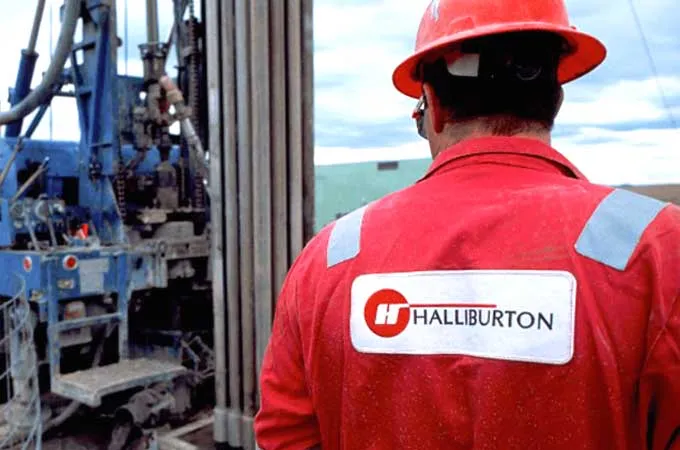
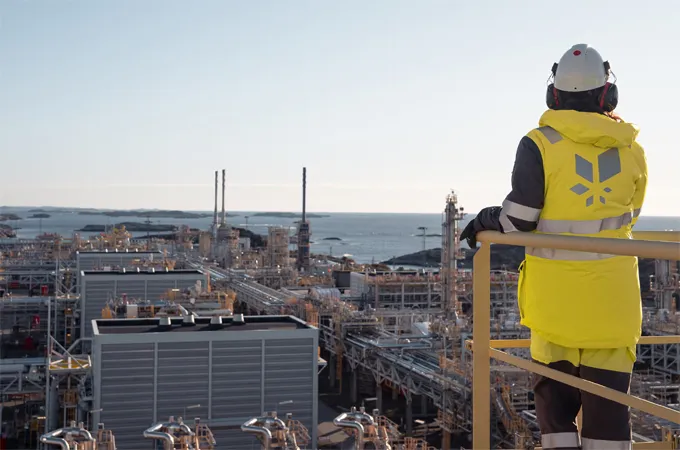
Halliburton has won a multi-year contract from Saudi oil giant Aramco to deliver integrated stimulation and completion services for unconventional gas development in the kingdom. It builds on the US energy company’s established portfolio backing Aramco’s unconventional programme.
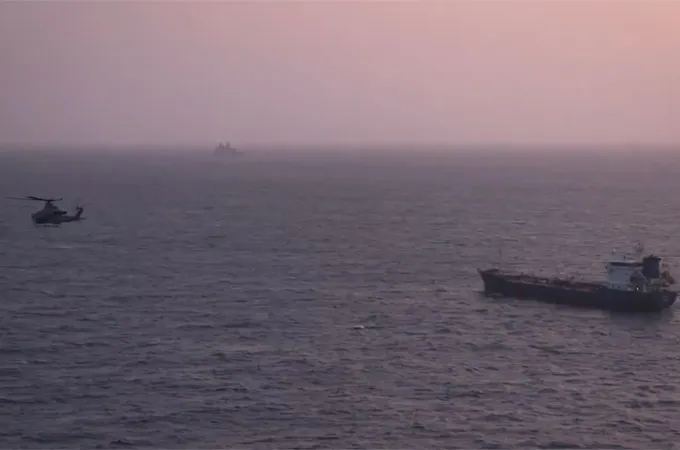
Oil prices extended gains on Wednesday as fears of a prolonged disruption to energy supplies through the Strait of Hormuz intensified following the United States' reimposition of a naval blockade on Iranian ports and fresh threats from Iran's Islamic Revolutionary Guard Corps (IRGC) to shut down regional oil and gas exports.

Oil prices surged on Tuesday, with Brent crude climbing above $85 a barrel for the first time in a month, as Iran's missile strike on two oil tankers and the United States' decision to reinstate a sweeping naval blockade of Iranian ports intensified a confrontation for control of the strategic Strait of Hormuz.
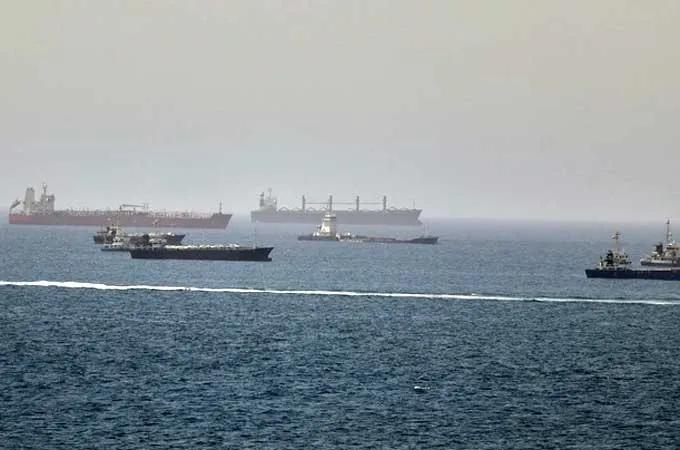
Oil prices are climbing once again, and with them, fears that inflation could make an unwelcome return. Renewed tensions between the US and Iran have shifted investors' attention back to the impact of higher energy costs on the global economy, said a leading global market strategist.

Oil prices jumped sharply at the start of Asian trading on Monday after the United States launched a second consecutive night of strikes on Iranian military targets and Tehran retaliated with fresh attacks, heightening fears of disruption to crude shipments through the Strait of Hormuz, the world's most important oil transit chokepoint.
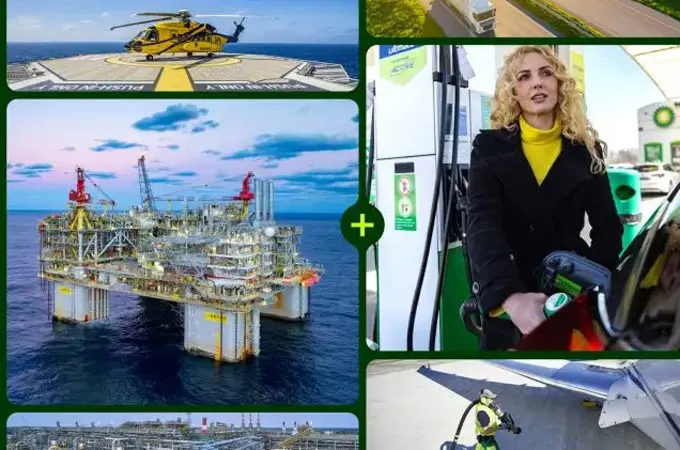
British oil and gas company bp has announced that it would reorganise its business into two operating segments - Upstream and Downstream - thus replacing its current three-segment structure, effective July 1. This comes as part of bp's efforts to simplify its structure, boost performance as well as shareholder returns.
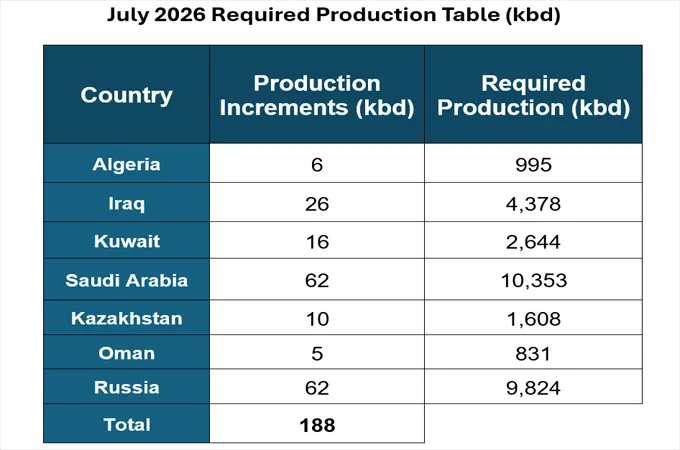
Seven Opec+ producers, Saudi Arabia, Russia, Iraq, Kuwait, Kazakhstan, Algeria and Oman, met on June 7, 2026, and agreed to implement a 188,000-barrel-per-day production adjustment in July, aiming to support oil market stability amid evolving global conditions.
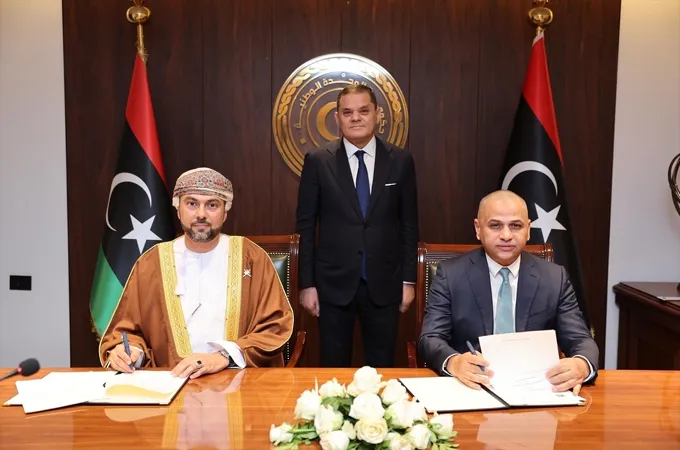
OQ Exploration and Production (OQEP) Company has signed a memorandum of understanding with Libya’s Investment Authority to strengthen energy cooperation. The agreement aims to explore joint oil and gas investment opportunities in Oman, Libya and international markets.
Oil prices edged higher on Monday after fresh exchanges of fire between the US and Iran renewed concerns over the security of shipping through the Strait of Hormuz, highlighting the fragility of an interim peace agreement reached earlier this month.