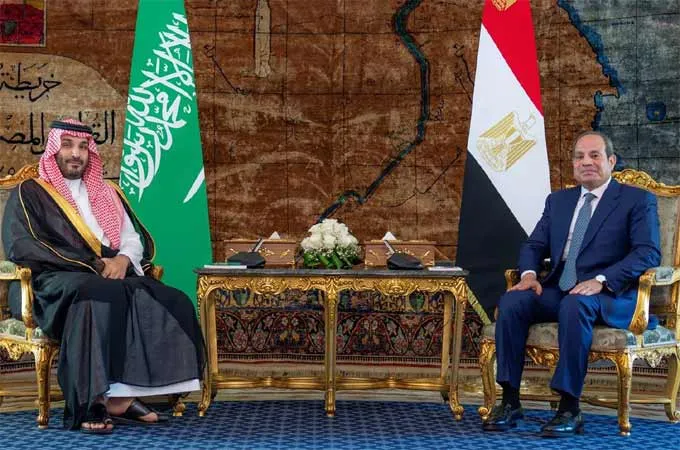
Saudi Arabia said its air defences intercepted and destroyed a Houthi drone south of Makkah before it could enter the prohibited airspace over the holy city, as the Kingdom faced a widening campaign of attacks by the Iran-aligned Yemeni group.

Oil prices rose further on Tuesday as renewed Houthi attacks on Saudi Arabia added to growing concerns over energy supplies, with Brent crude gaining $1.58 to $107.30 a barrel and US West Texas Intermediate (WTI) rising $1.64 to $103.

Sullivan & Cromwell, a global law firm, has announced the opening of its new office in Abu Dhabi, thus reinforcing its long-term commitment to the Middle East. Located in ADGM, it will enhance the company's ability to serve clients in UAE, Saudi Arabia and across the region.
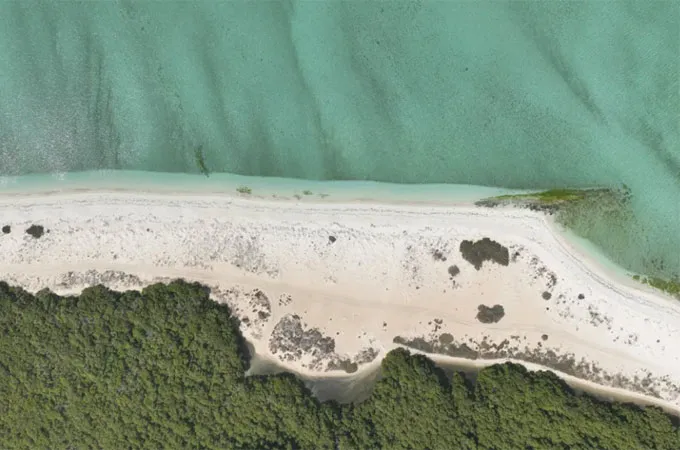
Abu Dhabi Tourism has unveiled its new Water Sports Guide, a new digital platform designed to help visitors discover and explore the emirate’s more than 200 islands, diverse marine environments and growing range of maritime experiences.

SAP Business Women’s Network and SAP Youth Council, in collaboration with Dubai Internet City, have brought together senior women leaders to discuss how more women can build and advance their careers in technology.

Regional diplomatic efforts to ease the crisis around the Strait of Hormuz appeared to stall on Monday after a meeting between Iran and other Gulf countries was postponed, as fresh attacks on shipping and Saudi Arabia's closure of a key oil pipeline heightened concerns over global energy supplies.

The BRICS group of nations unanimously adopted a joint declaration during its annual summit in New Delhi, expressing "deep concern" over the war in the Middle East and urged maximum restraint, advocating for a "multilateral approach" that respects national viewpoints.

Ajman Chamber has won the Gold Award for Innovation in Customer Service Management, Planning & Practice and the Bronze Award for Most Innovative Social Impact at the 2026 Middle East & North Africa Stevie Awards.
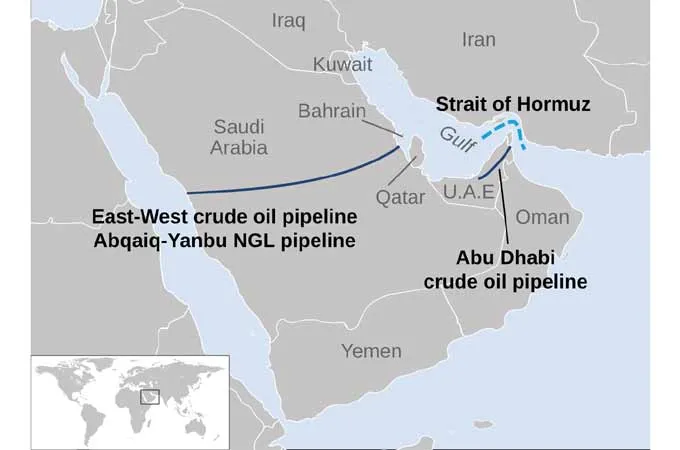
Saudi Arabia has shut down its East-West pipeline temporarily after the vital oil conduit came under aerial attack in the widening Middle East war, threatening to send energy prices even higher, said media reports. This 1,200-km pipeline had helped the kingdom bypass a shipping logjam in the Strait of Hormuz.

Iran-aligned Houthi forces have seized the strategically vital Perim Island at the entrance to the Bab el-Mandeb Strait, potentially giving Tehran-backed fighters a powerful position over one of the world's key maritime chokepoints and threatening to further disrupt global shipping and energy supplies.