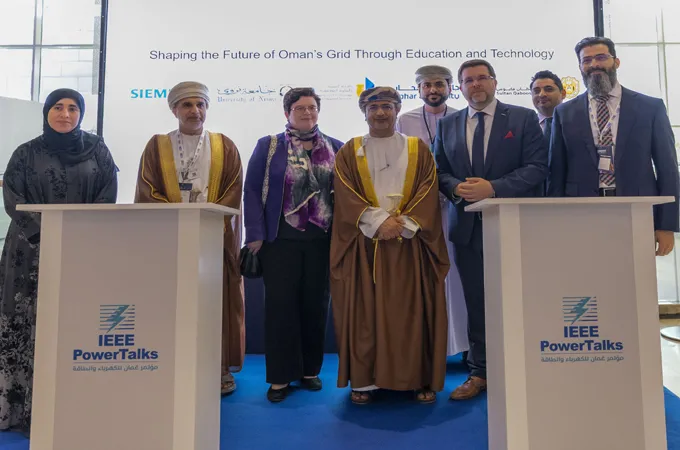
Dozens of countries agreed at the International Energy Agency (IEA) conference in Montreal to prioritise energy efficiency to cut costs, improve resilience and reduce volatility after Middle East energy disruptions, pledging stronger support for households, SMEs and global cooperation.
Global oil inventories could hit critical or historically low levels just ahead of the peak summer demand period if stock draws continue at their current pace, Reuters quoted the head of the International Energy Agency's oil industry and markets division as saying.
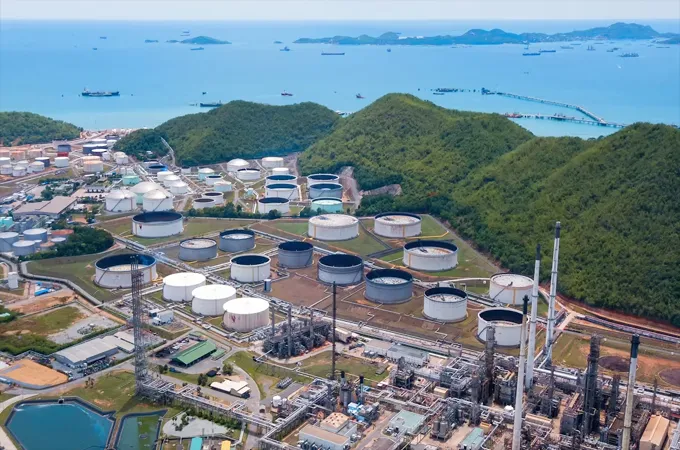
An International Energy Agency (IEA) report warns that disruptions to Strait of Hormuz energy shipments have exposed Southeast Asia’s dependence on imported fuels, highlighting the need for stronger energy security, diversification and efficiency measures as regional energy demand continues to rise.

The global oil market could swing into a substantial surplus next year as production recovers sharply following the US-Iran peace agreement and the gradual reopening of Gulf energy routes, according to the latest outlook from the International Energy Agency (IEA).
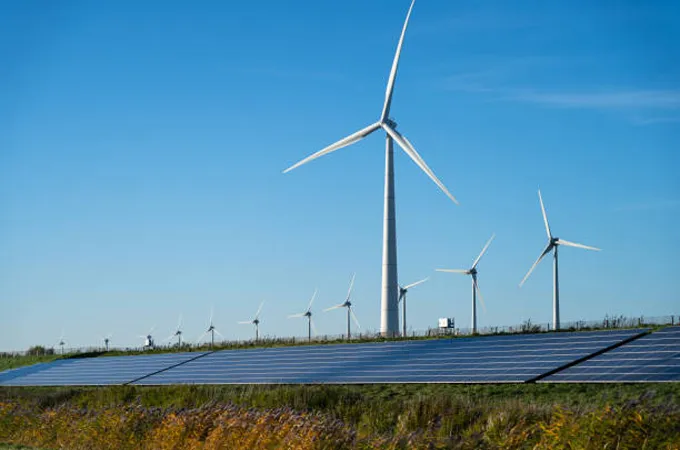
A new International Energy Agency (IEA) report says stronger government action and enhanced global cooperation are essential to speed clean energy deployment this decade, warning that significant challenges remain in turning energy transition commitments into measurable implementation.
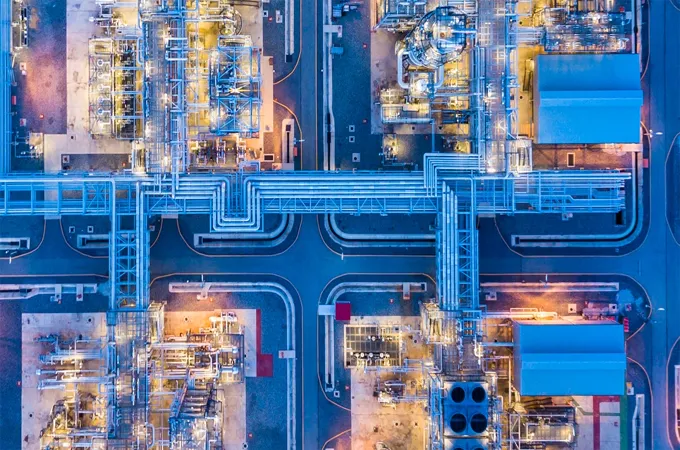
Methane emissions from fossil fuels remain near record highs in 2025, with little global decline. IEA analysis shows proven abatement measures could free 200 billion cubic metres of natural gas annually and enhance energy security. Some countries are progressing, and the Middle East crisis highlights added benefits.
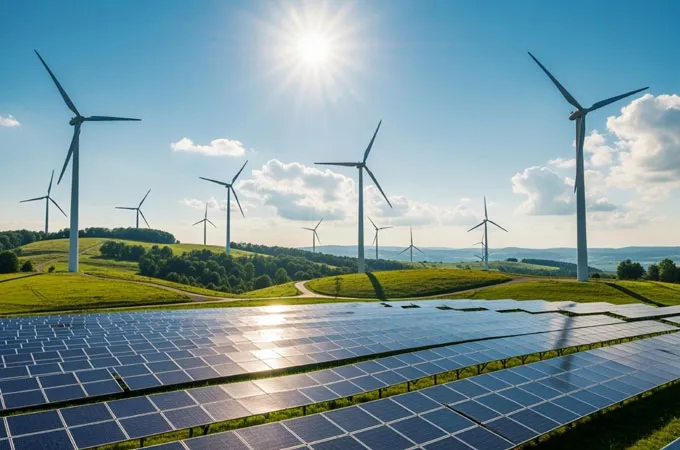
Global energy investment is expected to reach $3.4 trillion in 2026, with $2.2 trillion going to low-emissions and grid technologies and $1.2 trillion to fossil fuels, according to the IEA report.
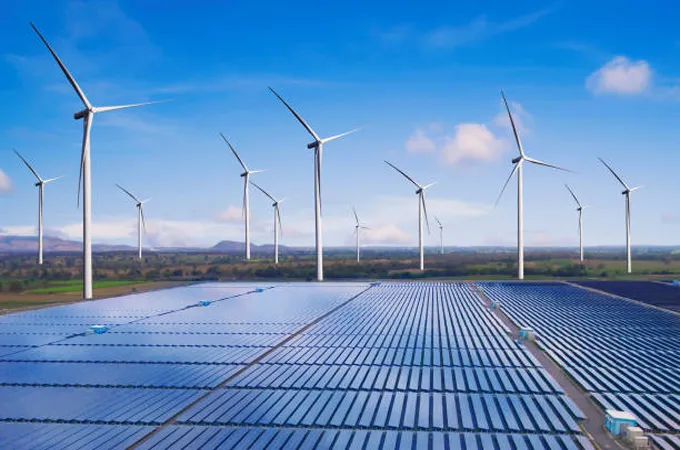
OECD net electricity generation reached 920.8 TWh in February 2026, up 0.8 per cent year-on-year. Fossil fuels supplied 45.4 per cent of output despite declining 4.7 per cent, while renewables contributed 37.8 per cent and nuclear power accounted for 15.7 per cent of generation.
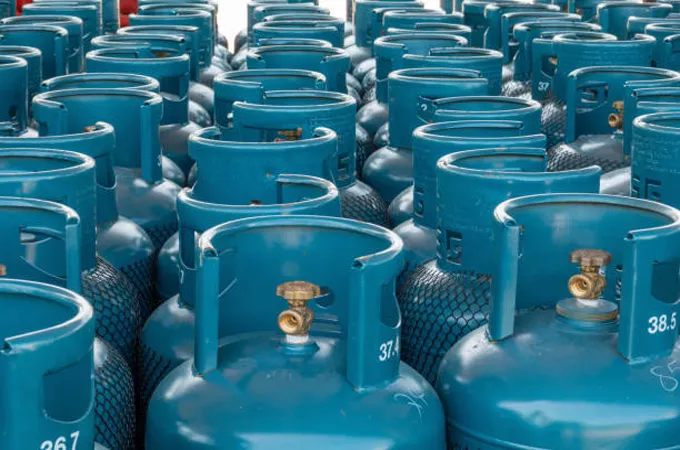
The International Energy Agency (IEA) warns the Middle East conflict-driven energy crisis is disrupting LPG supplies via the Strait of Hormuz, causing shortages and price spikes that threaten cooking fuel access for billions in developing Asia and other emerging economies.
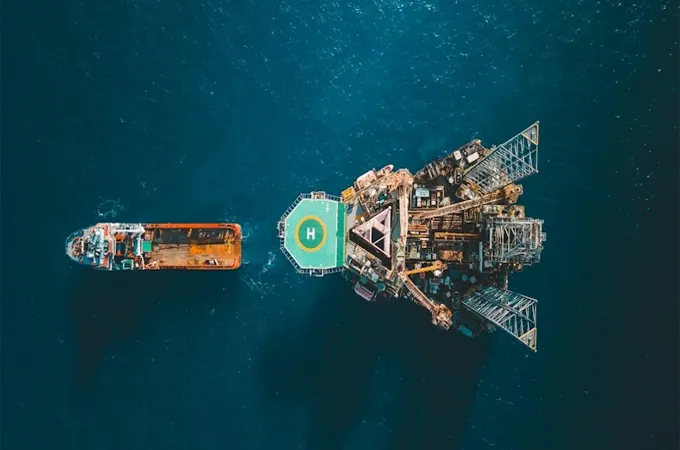
International Energy Agency (IEA) says global oil markets face disruptions in 2026 due to Middle East conflict and Strait of Hormuz restrictions, with demand forecast to fall by 420 kb/d to 104 mb/d, led by a sharp Q2 decline.