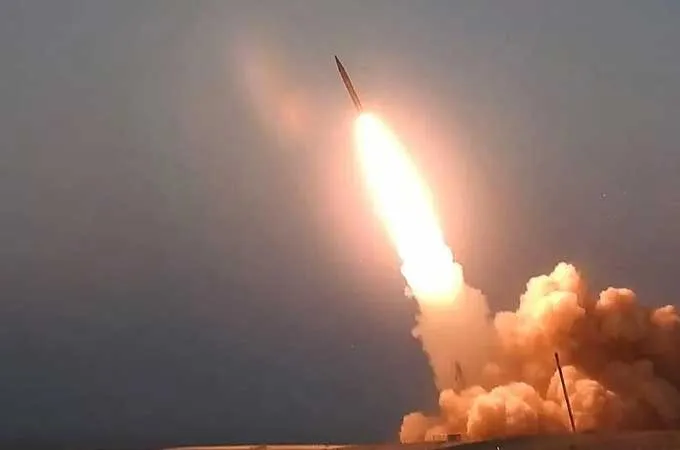
The Iran war broadened over the weekend despite a pause in US strikes, as Yemen's Iran-aligned Houthis attacked Saudi oil installations along the Red Sea coast and Iran accused Ukraine of targeting one of its vessels in the Caspian Sea, reported Reuters.
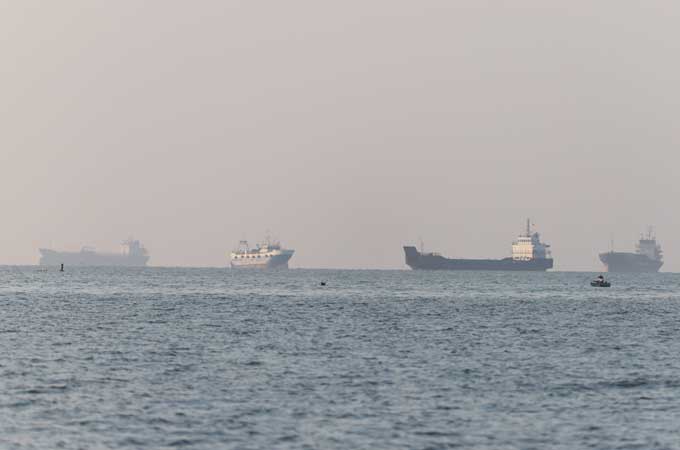
Iran's Foreign Ministry said the the Ukrainian attack on an Iranian commercial vessel in the Caspian Sea caused an explosion that killed one sailor and injured another, Iran’s Foreign Ministry said in a statement Saturday.
Tehran condemned the strike as an act of aggression and a violation of international law, accusing Ukraine of seeking to expand the Russia-Ukraine war. The ministry summoned Ukraine's chargé d'affaires in Tehran to protest over the attack describing it as "hostile and criminal,"
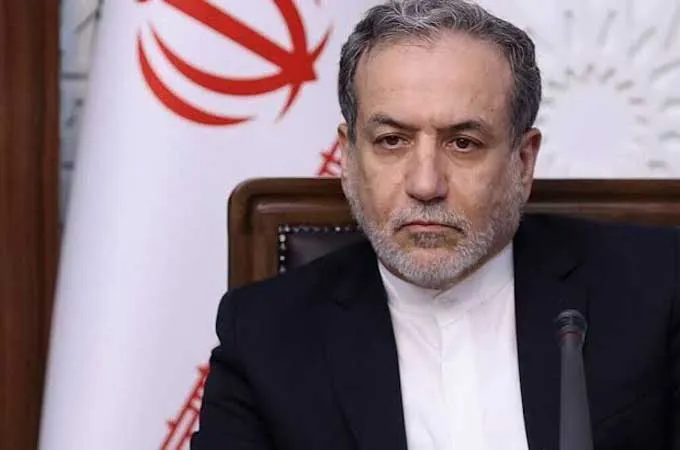
Iranian Foreign Minister Abbas Araghchi urged a firm response from the UN Security Council and the European Union during a call with EU foreign policy chief Kaja Kallas, state news agency IRNA said.
Earlier Saturday, Ukrainian President Volodymyr Zelenskiy said Ukrainian forces had struck a Russian warship and vessels used to transport Iran-linked military cargo in the Caspian Sea, it stated.
The Iranian denunciation coincided with comments by Zelenskiy that Kyiv had noted Russia was passing on to Iran its satellite observations in the Middle East, to enable it to direct strikes in the region.
US naval blockade in full effect
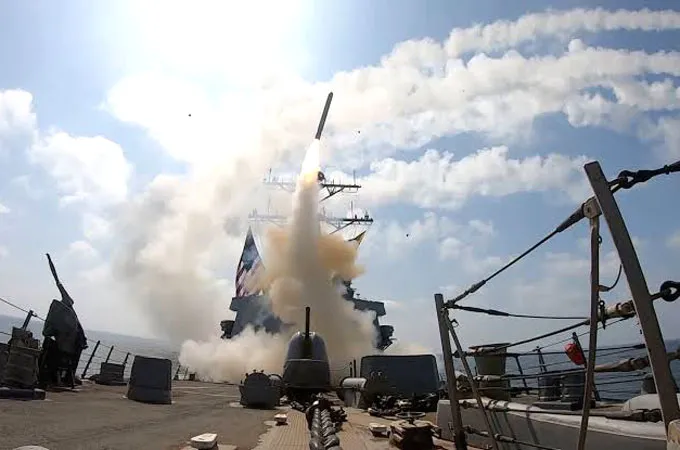
The US military said on Saturday its naval blockade against Iran "remains in full effect" but did not explain why it halted a streak of 13 nights of escalating strikes.
There were also no weekend reports of attacks by Iran on neighbours, similar to its daily rejoinders to the US attacks.
Asked about the pause, a senior official in President Donald Trump's administration said Trump "has always been clear that his preference is diplomacy, but he has shown Iran what will happen if they fail to come to the table in a serious way."
Trump has decided, for now, to back away from plans to ramp up attacks on Iran, the New York Times said on Saturday, citing two people briefed on the discussion.
The president and his advisers, the newspaper said, have concerns about expanding the conflict, depleting defense stockpiles, alienating Middle East Gulf allies and affecting energy supplies and the global economy.
Depleting US defence stockpiles
Vice President JD Vance and Gen. Dan Caine, the chairman of the Joint Chiefs of Staff, both raised concerns about the US munitions stockpile with Trump during a White House meeting on Friday, a US official told CNN.
On Friday, Caine specifically raised concerns about the US munitions stockpile and other potential negative implications, according to the sources.
Caine told Trump and the US military they could carry out the options available to him and be successful but then warned of the possible implications. The stockpile concern was one of many raised to Trump during the meeting, both sources said.
It’s currently unclear if the stockpile concern or warning about escalation were the primary reasons why the US paused consecutive nights of strikes or whether it will continue to do so.
Even after Trump said he was considering a massive attack against Iran this week, he had privately directed his negotiators to “keep talking,” according to a source familiar with the matter, underscoring how the president has been grappling with the reality of limited escalatory military operations short of putting US troops on the ground.
This comes as key US weapons stockpiles remain significantly depleted and could come under more pressure if strikes on Iran continue, as the broadcaster has previously reported.
As of Friday afternoon, the Trump administration was still deliberating over what a potential escalation would look like, according to a source familiar.
Gulf countries have urged restraint in recent conversations with administration officials but acknowledged the US has unique capabilities it could use to escalate the conflict if it chooses to do so, the source said.
Operations are "on a hold," a Department of Defense source told CNN on Saturday.
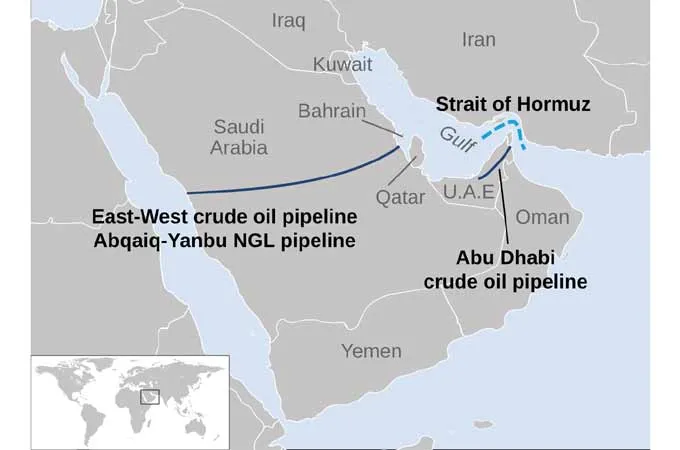
Despite the Gulf lull, Saturday's fighting between Iran's Houthi allies and Saudi Arabia showed that the war, which has already disrupted energy supplies through the Strait of Hormuz, could affect a second major shipping route and reignite Yemen's civil war.