The Middle East moved closer to a broader regional confrontation on Wednesday as Iran launched a failed ballistic missile attack on US forces, while the United States and Saudi Arabia carried out joint airstrikes against Iran-backed militias in Iraq.
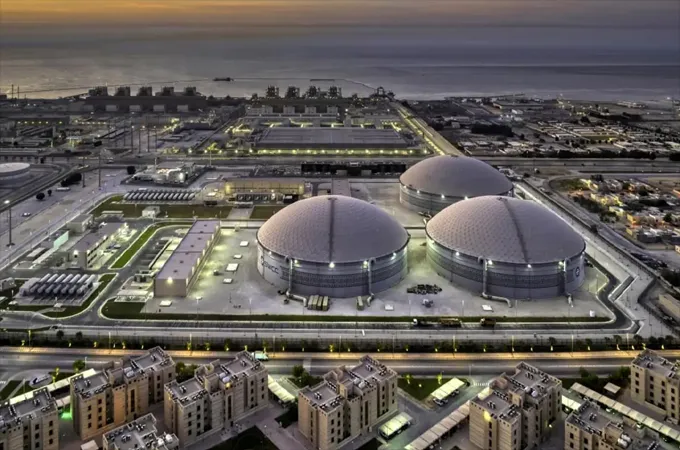
Saudi Water Authority will launch local production of energy recovery devices in 2027, establishing the world’s first facility outside the US to manufacture the desalination technology, boosting supply security and supporting exports.

Travellers are packing more tours and attractions into holidays despite flat per-person spending in the US and declining spend in Europe, an Arival and Phocuswright report found, with Americans averaging more than four experiences per trip despite shorter stays.
European and US airlines could remove more frequencies in the winter and ground more aircraft than usual as high fuel costs make weaker services uneconomic, aviation analyst John Strickland has warned.
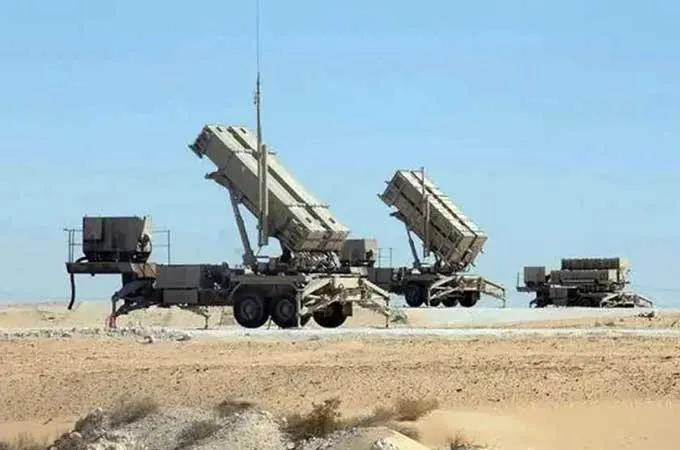
Air defence systems in Saudi Arabia intercepted two ballistic missiles from Yemen on Saturday targeting oil refineries in Yanbu, Greek security sources a day after US forces launched fresh air strikes on Iran, said media reports. The defence system was operated by Greek military personnel.
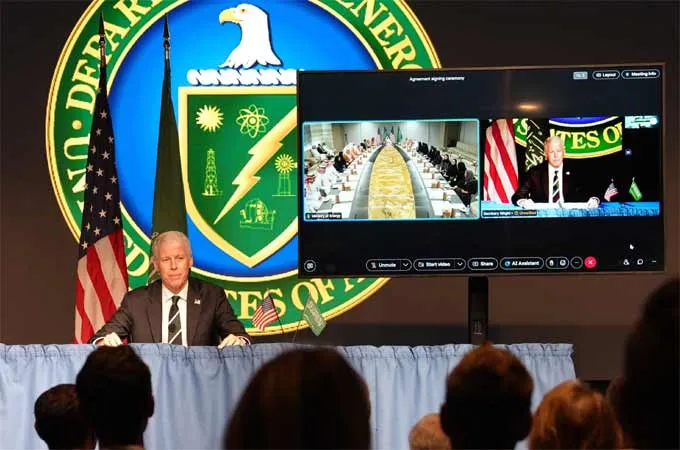
US Secretary of Energy Chris Wright and Saudi Minister of Energy Prince Abdulaziz bin Salman have signed a peaceful nuclear cooperation agreement, commonly known as a 123 agreement, alongside an accompanying bilateral safeguards agreement.
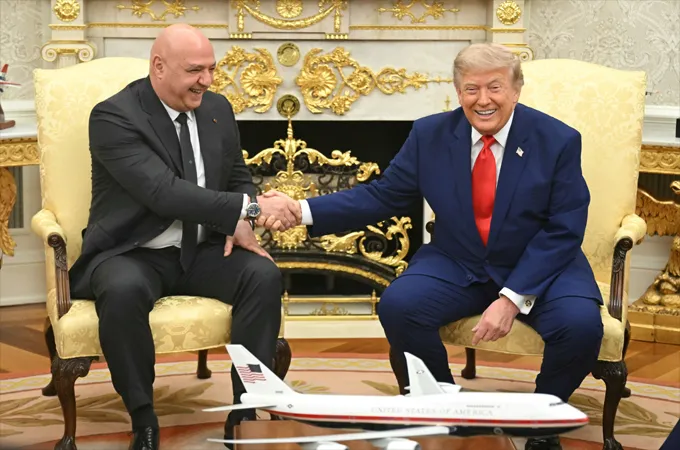
US President Donald Trump has announced the resumption of direct flights between the United States and Lebanon, marking a significant step in bilateral relations after more than 40 years without direct air links.
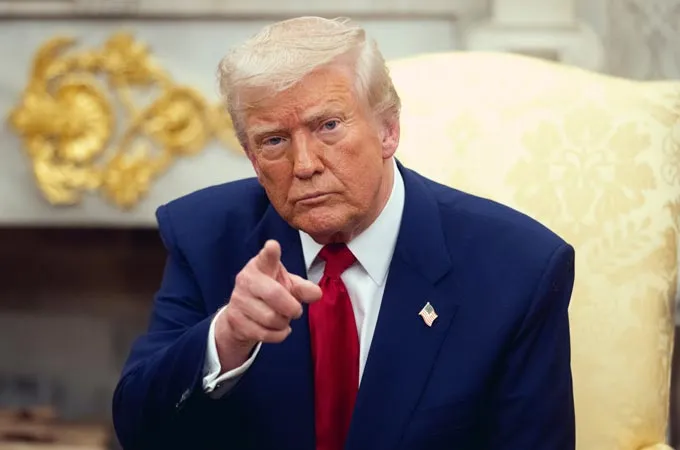
US President Donald Trump has approved a 30-year civilian nuclear cooperation agreement with Saudi Arabia that could eventually allow the kingdom to enrich uranium for its nuclear energy programme under a modified oversight framework, CNN reported, citing two US officials and a source familiar with the matter.
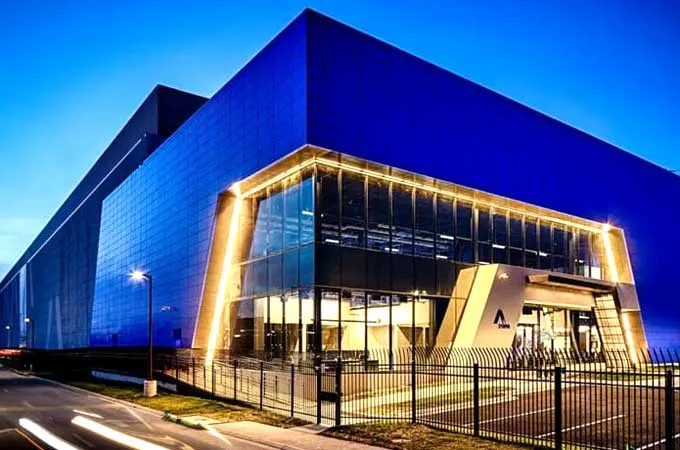
Abu Dhabi-based AI investment firm MGX and a consortium including the Artificial Intelligence Infrastructure Partnership (AIP) and BlackRock's Global Infrastructure Partners (GIP) have completed the acquisition of US data centre operator Aligned Data Centres in a deal valued at about $40 billion.

Iran and the US concluded a round of indirect talks on Wednesday with no sign they had made headway toward a lasting peace, focusing instead on issues that they said had been resolved when an interim deal was announced two weeks ago. Sources said negotiators spent two days in Doha discussing maritime traffic in the Strait of Hormuz.