The United States launched a fresh wave of military strikes across Iran overnight, targeting more than 80 sites after Tehran resumed attacks on commercial shipping in the Strait of Hormuz, further destabilising a fragile ceasefire agreed less than three weeks ago.
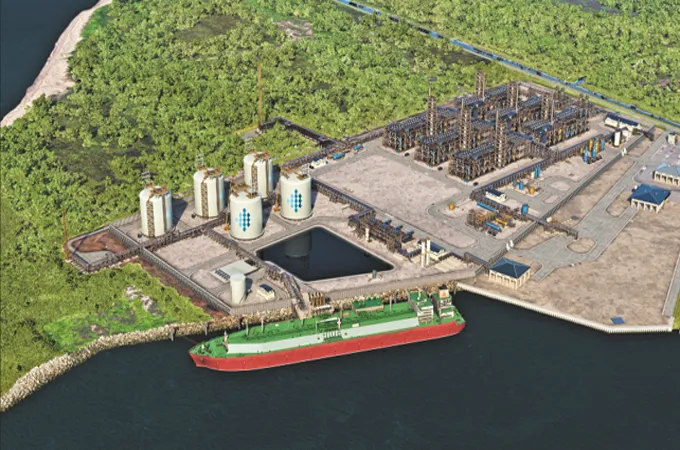
Yokogawa Corporation of America has been selected as Main Automation Contractor (MAC) for the Commonwealth LNG project in Louisiana, US, strengthening its role in one of the country’s major LNG developments.

Global liquefied natural gas (LNG) trade reached a record 436.98 million tonnes in 2025, rising 6.3 percent and marking the fastest growth since 2022, according to the International Gas Union (IGU).
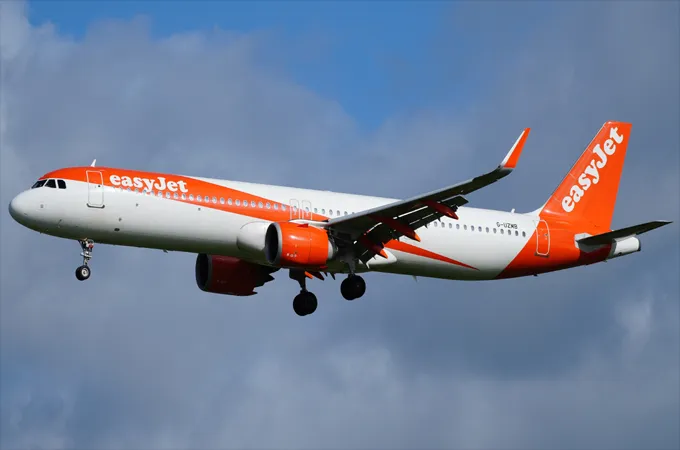
British budget airline easyJet has agreed in principle to a revised takeover offer from US investment firm Castlelake, valuing the carrier at up to £5.5 billion ($7.34 billion).
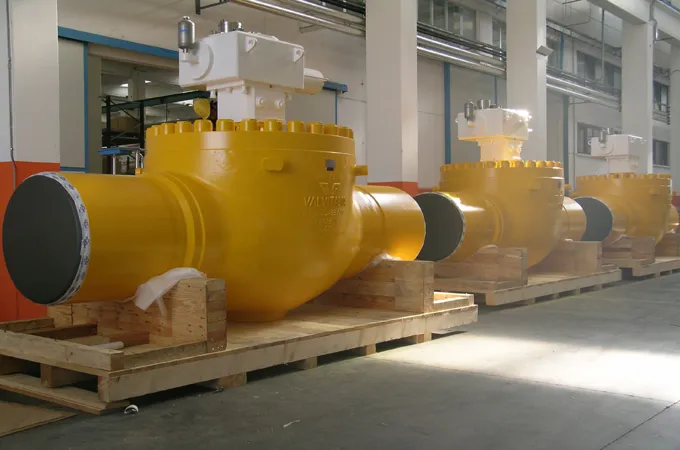
Valvitalia Group has secured a contract worth approximately $30 million to supply valves for the Desert Southwest pipeline, one of the largest energy infrastructure projects currently under development in the southwestern US.
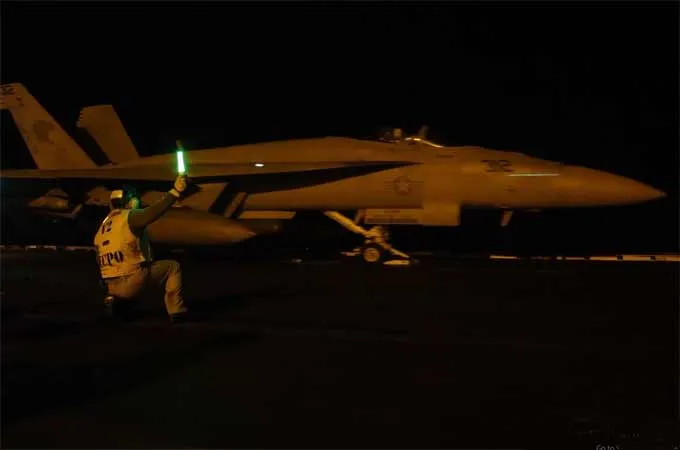
The United States launched a heavy wave of airstrikes against Iran late on Wednesday, marking the most significant direct attack on Iranian territory in days and sharply escalating a conflict that is increasingly threatening regional security, global energy supplies and international shipping.
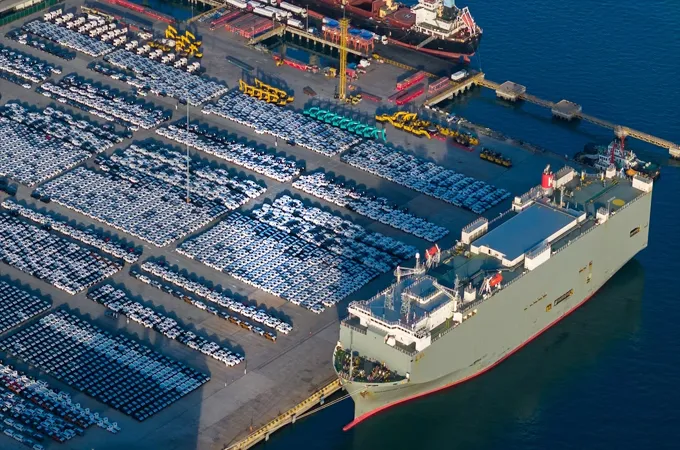
Global electric car sales rebounded strongly in the second quarter of 2026, with growth in markets including Australia, Europe, South Korea and other regions offsetting weaker demand in China and the US, according to a new report from the International Energy Agency (IEA).
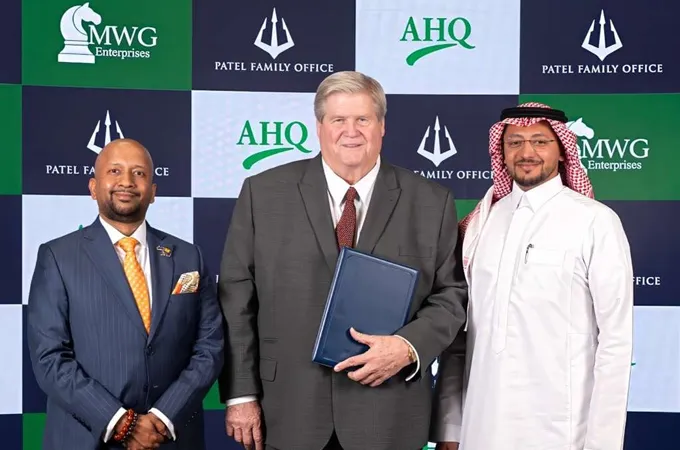
US-Saudi consortium Mera Oil has entered the final stage of selecting a host location for its planned $5 billion integrated refinery and energy export corridor. Following three years of evaluation, three GCC sites outside the Strait of Hormuz have been shortlisted.
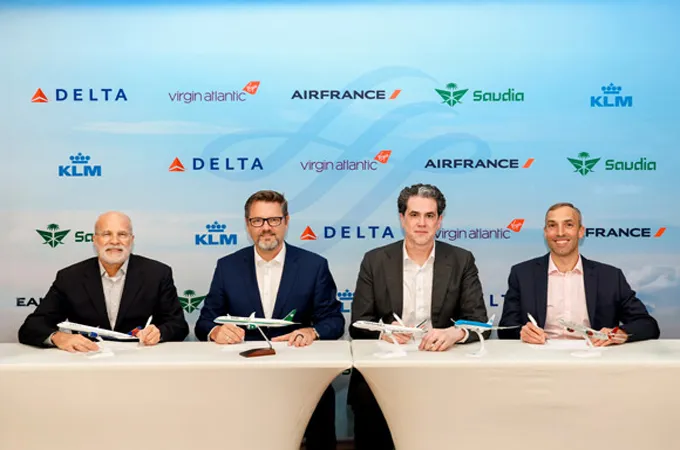
Saudia has expanded its codeshare partnerships with Delta Air Lines, Air France-KLM and Virgin Atlantic, enhancing access to North America through major European hubs. The agreement will connect travellers to nearly 30 destinations across the US and Canada via Paris, Amsterdam and London.
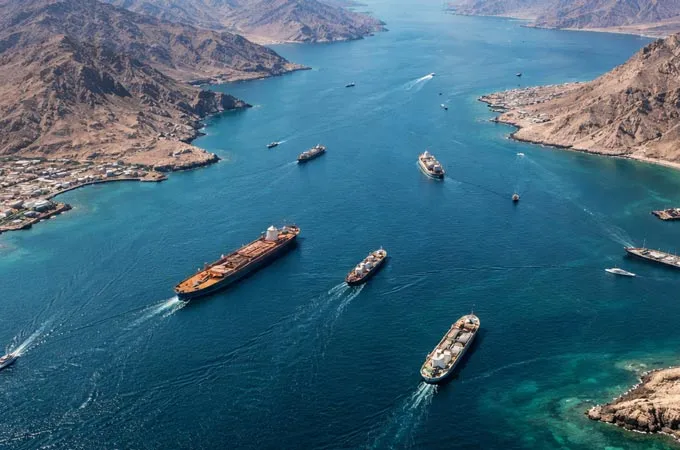
Oil prices climbed sharply on Wednesday as renewed military clashes between the United States, Saudi Arabia and Iran kept traders on edge about supply disruptions, even as Oman unveiled a Gulf-backed proposal aimed at safeguarding shipping through the Strait of Hormuz.