Stablecoins, digital payments, central bank digital currencies and tokenisation are reshaping the future of finance and raising important questions for regulators and policymakers, according to the International Monetary Fund (IMF).
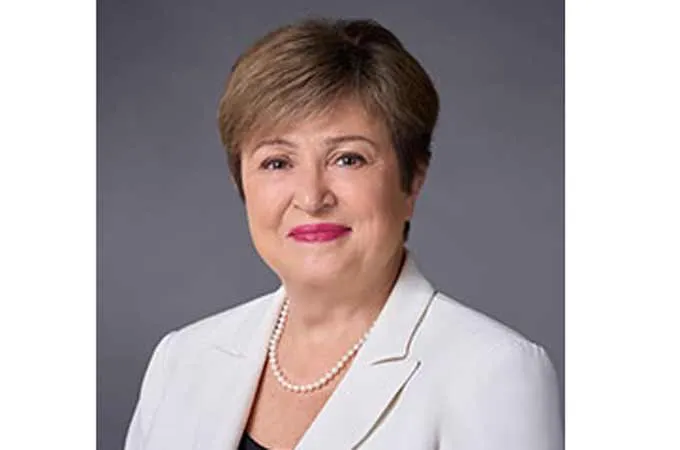
The global economy has proved more resilient than expected in the face of the energy supply shock triggered by the conflict in the Gulf, with global growth for 2026 holding at around 3%, International Monetary Fund Managing Director Kristalina Georgieva said.
The world's leading economic and energy institutions have called for renewed efforts to resolve the conflict in the Middle East and reopen the Strait of Hormuz, warning that although the global economy has remained resilient, the war continues to pose risks to growth, inflation and global trade.
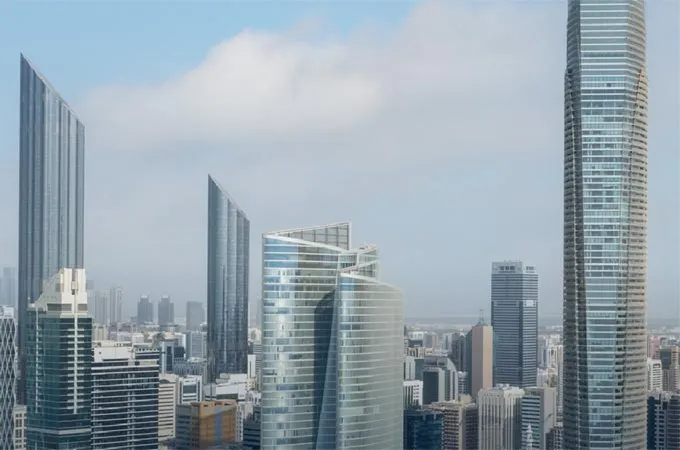
The UAE economy has shown remarkable resilience to the conflict in the Middle East, supported by strong buffers, timely and well-targeted policy response including by the government and the CBUAE Financial Institution Resilience Package, and the rerouting of oil and other trade flows, an International Monetary Fund (IMF) mission has said.
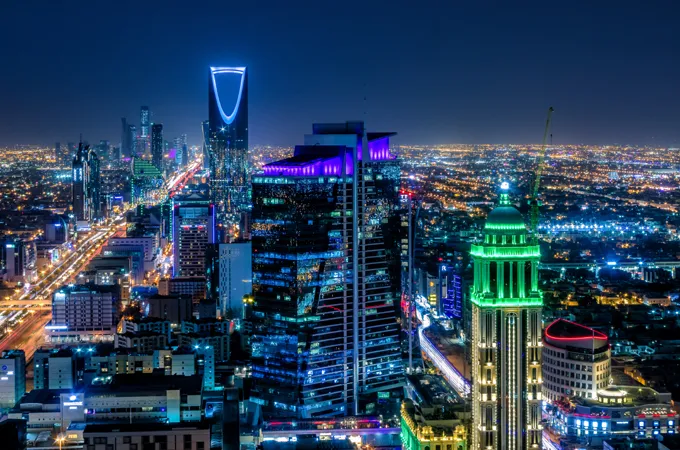
The Saudi economy is proving resilient in the face of the war in the Middle East thanks to strong fundamentals and diversified logistical and oil infrastructure, said an International Monetary Fund (IMF) mission statement.
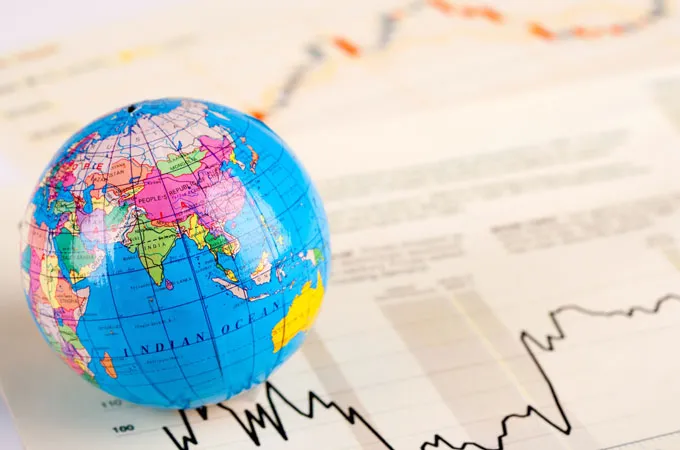
The heads of four major global economic institutions warned on Friday that the war in the Middle East is posing growing risks to the world economy, with disruptions to oil shipments through the Strait of Hormuz driving down global inventories and threatening energy security ahead of peak summer demand.

The heads of the International Energy Agency (IEA), International Monetary Fund (IMF), and World Bank Group will meet on Monday to discuss the energy crisis triggered by the Iran war.

The Heads of the International Energy Agency, International Monetary Fund, and World Bank Group have agreed to form a coordination group to maximise their institutions’ response to the energy and economic impacts of the war in the Middle East.

Growth across the Middle East, North Africa, Afghanistan and Pakistan (MENAP) region is set to slow sharply in 2026 following the economic shock triggered by the recent US–Israel–Iran war, the International Monetary Fund has warned.

After withstanding higher trade barriers and elevated uncertainty last year, global activity now faces a major test from the outbreak of war in the Middle East, which threatens to disrupt growth, says the latest World Economic Outlook report from IMF.