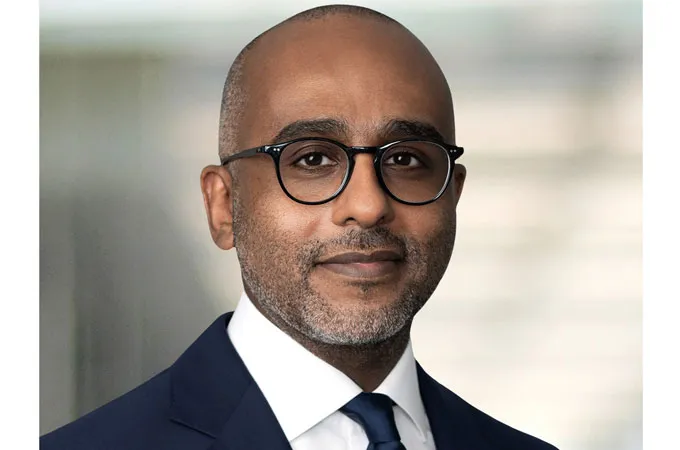
The Gulf is one of the most active investment regions in the world. Diversification efforts have opened sectors from logistics and healthcare to technology, energy and financial services, and international capital has followed. But deals in the region rarely stall over price – they stall over process, timing and people. Investors who understand this early tend to close faster and build stronger partnerships.

The question is no longer how to build bigger data centres. It is how to deploy infrastructure fast enough to keep up with AI, says Roger (Zhaoyang) Wang, General Manager of Global Data Centers, Alibaba Cloud Intelligence.

The global AI boom will need to generate about $6 trillion in annual revenue by 2031 to justify the massive investment in infrastructure needed to power the technology, according to Bain & Company’s seventh annual Global Technology Report.
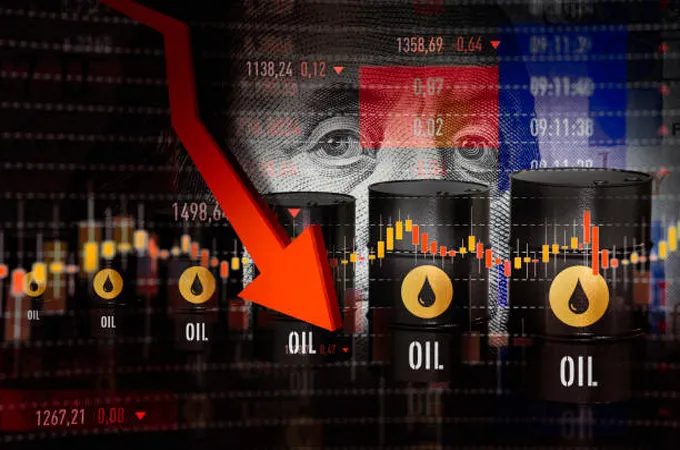
GCC equity markets witnessed the biggest monthly decline in 10 months in September-2026 due continuing war in the Middle East as well as attacks on Saudi Arabian oil facilities that pushed crude oil prices to the highest level in almost four months.
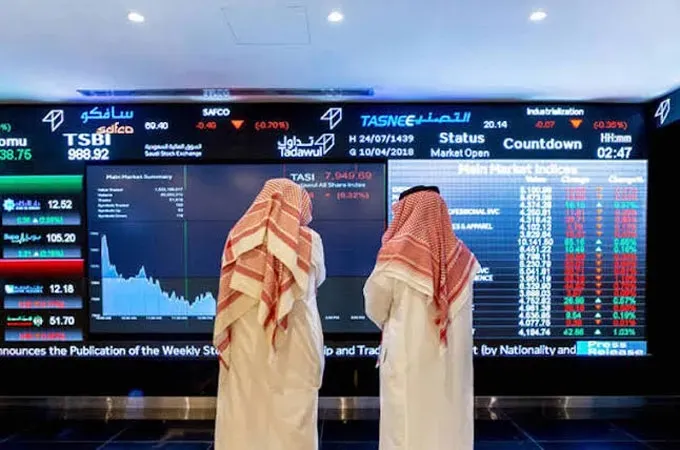
GCC capital markets have witnessed significant development in recent years, driven by governments’ efforts to diversify funding sources and deepen capital markets, said top rating agency Fitch, adding the combined market capitalisation of listed equity markets across the Gulf region stands at around $4 trillion.
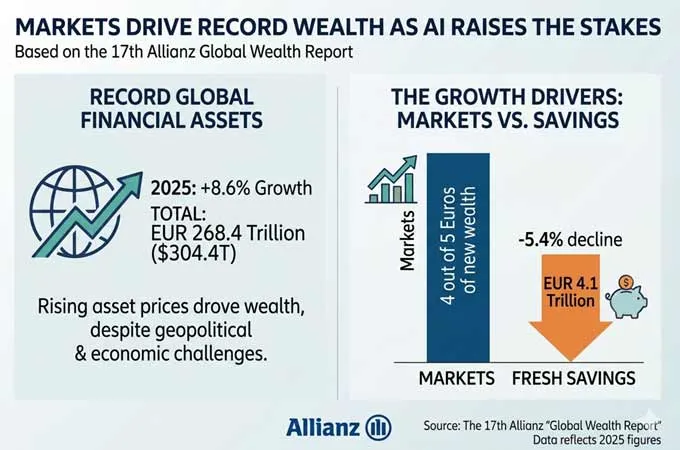
Global financial assets increased by 8.6% in 2025 to a record EUR268.4 trillion ($304.4 trillion), despite a challenging geopolitical and economic backdrop, says a new report.

Oil, gold and silver have followed markedly different trajectories over the past six months, as geopolitical tensions, changing US interest-rate expectations reshape global commodity markets. Oil has responded to geopolitical developments, while gold has been driven primarily by monetary policy and silver by both rates and industrial demand, said an expert.

Saudi Arabia’s innovation agenda is entering a new phase, with the focus shifting beyond technology manufacturing and adoption towards greater investment in R&D, the development of homegrown innovations and technologies, stronger control over intellectual property creation, says Ahmad Saleh, Partner and Head of Innovation, Patents & Industrial Property at Al Tamimi & Company.

Artificial intelligence (AI) offers emerging markets significant opportunities, but also poses serious risks, said a report, highlighting the need to seize opportunities across three fronts - building digital infrastructure, data ecosystems and investing in skills - to avoid relegation to the margins of the future AI-enabled economy.

About 80% of organisations expect AI spending to increase over the next two years, yet more than half struggle to operationalise the business knowledge AI needs to deliver business value, finds a new study.