The UAE’s non-oil foreign trade for the first half recorded solid growth, surging to over AED1.9 trillion ($517 billion), said a report. The emirates had last year attracted $48.3 billion in foreign direct investments, thus putting it ninth globally among the largest FDI destinations.
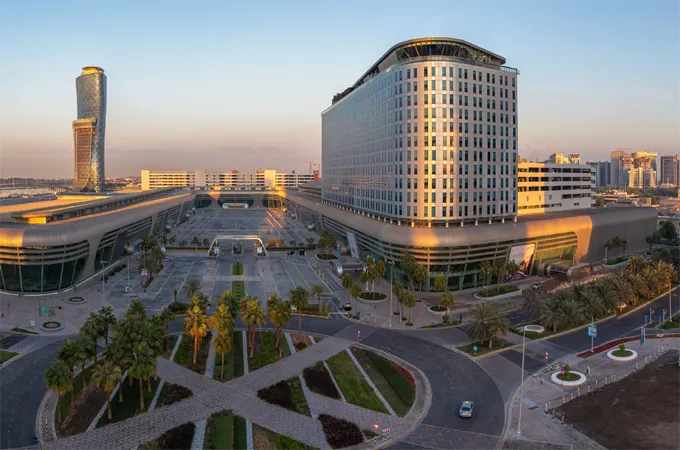
ADNEC Group reported a record AED9.2 billion ($2.5 billion) contribution to the UAE economy in 2025, while supporting more than 70,000 jobs and attracting 6.3 million visitors. The group also cut greenhouse gas emissions, carbon intensity per employee and water intensity per visitor.

Growth in the non-oil private sectors of GCC economies accelerated in August, with output and new orders increasing at a faster pace and supplier delivery times improving, despite continued geopolitical uncertainty, according to top ratings agency S&P Global.

Artificial intelligence (AI) offers emerging markets significant opportunities, but also poses serious risks, said a report, highlighting the need to seize opportunities across three fronts - building digital infrastructure, data ecosystems and investing in skills - to avoid relegation to the margins of the future AI-enabled economy.

Public-private partnerships (PPPs) are becoming an important mechanism for infrastructure delivery across the Middle East and North Africa, with the Gulf region leading the shift as governments diversify their economies and expand private-sector participation, according to a report.
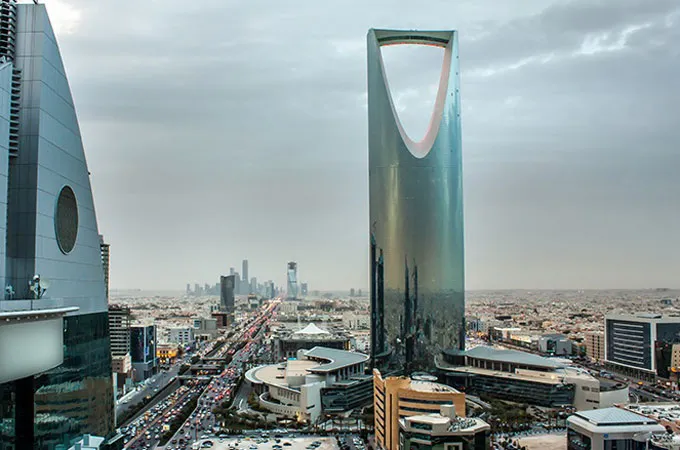
Saudi Arabia’s real gross domestic product contracted 4.8% year-on-year in the second quarter of 2026, said a report, as a 24.7% decline in oil activity outweighed growth in non-oil activities and government output. Non-oil activity grew 0.6% in the quarter, while government activity rose 0.9%.

Dubai maintained its strong economic performance in the first quarter of 2026, with the emirate's Gross Domestic Product (GDP) reaching AED232 billion ($63.17 billion), representing a 2.4% increase from the same period last year.

The GCC sovereigns’ stable credit quality is backed by strong, hydrocarbon-driven economic recovery in 2027. However, that prolonged geopolitical uncertainty could strain public finances and expose variances in sovereigns' fiscal ability to absorb lengthy disruptions, said S&P Global Rating.

Dubai's economy continued its strong growth trajectory in 2025, with gross domestic product (GDP) at current market prices rising to an estimated AED972 billion ($264.67 billion) from AED890 billion in 2024, according to preliminary estimates released as the Dubai Data and Statistics Establishment (DDSE) launched the Dubai Economic Survey 2026.

The UAE's non-oil foreign trade surged by 13% during the first half to hit nearly AED2 trillion ($527.5 billion), driven by a surge in exports, said a report. The country’s non-oil exports jumped 24% from a year to hit AED452.8 billion ($123.3 billion), accounting for 23.4% of total non-oil trade.