Regional diplomatic efforts to ease the crisis around the Strait of Hormuz appeared to stall on Monday after a meeting between Iran and other Gulf countries was postponed, as fresh attacks on shipping and Saudi Arabia's closure of a key oil pipeline heightened concerns over global energy supplies.
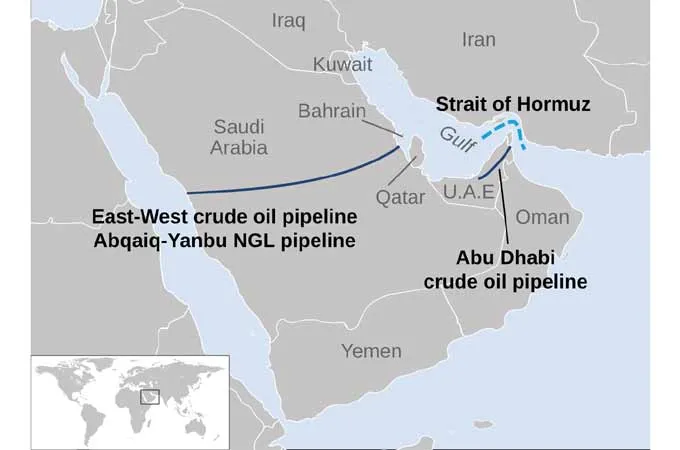
Oil prices jumped almost 3% as markets reopened, reflecting growing fears of disruption to supplies from Saudi Arabia, the world's biggest oil exporter. The kingdom kept its 1,200-km East-West pipeline shut through the weekend after it was damaged in drone strikes on Friday.
Brent crude was trading at $107.7 a barrel in early trade and US WTI Crude was at $103.
The pipeline, which links Saudi Arabia's oil-producing fields in the east with the Red Sea port of Yanbu, provides a crucial alternative route for exporting crude without sending it through the Strait of Hormuz. Its continued closure therefore adds to pressure on global oil markets at a time when tanker traffic through the strait has already fallen sharply.
The latest developments came as Iran's state media reported that an Iranian commercial vessel was attacked late Saturday in the Strait of Hormuz, killing one person and injuring four others. The incident took place near Qeshm Island, a strategically important Iranian territory close to the country's main port of Bandar Abbas.
Iran's state-run Islamic Republic News Agency quoted the governor of Qeshm as blaming a “terrorist enemy” for the attack, without identifying those responsible.
The Strait of Hormuz is one of the world's most important energy chokepoints. Before the war, around 20 million barrels of oil moved through the waterway each day, but traffic is now estimated to be about 90% below pre-conflict levels.
Shipping risks also increased elsewhere in the region. India's Ministry of External Affairs said on Sunday that the Panamanian-flagged MT El Gaia, carrying 14 Indian crew members, was attacked off the Omani coast.
“Of the 14 Indian crew onboard, 13 Indians have been rescued so far,” ministry spokesperson Randhir Jaiswal said on X, adding that search-and-rescue operations were continuing for the missing Indian national.
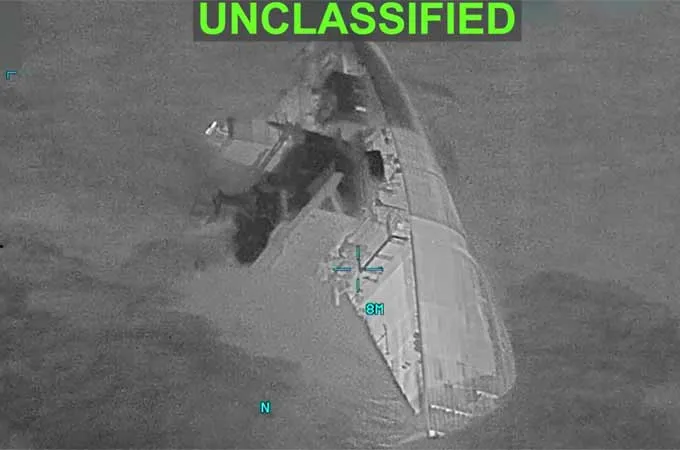
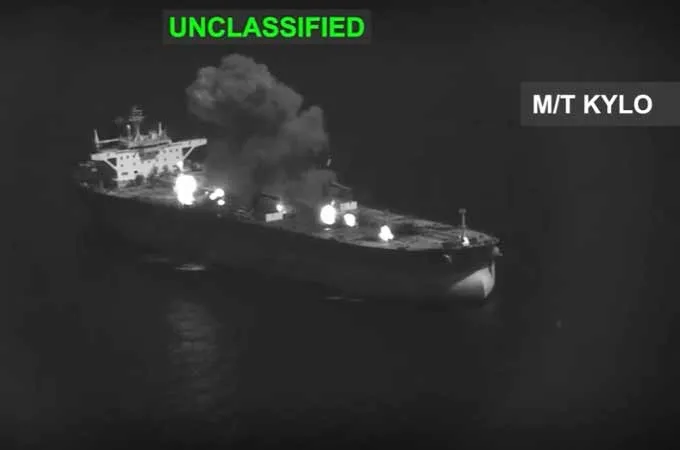
Separately, the United Kingdom Maritime Trade Operations centre said another vessel was struck by an unidentified projectile in the strait late Saturday. A fire broke out and local authorities assisted in evacuating crew members, although the vessel's flag and other details were not immediately disclosed.
Talks postponed
The attacks came just as Gulf diplomats and Iranian officials were preparing to meet in Salalah on Monday to discuss an Omani proposal aimed at restoring regular tanker traffic through the Strait of Hormuz.
The meeting was to take place without the participation of the United States, which has been directly involved in securing tanker movements through the waterway.
Omani Foreign Minister Badr Albusaidi said on Sunday that the meeting had been postponed indefinitely.
“In the interests of consensus the regional meeting set for tomorrow in Salalah has been postponed,” he said in a post on X, adding that Oman remained committed to dialogue aimed at regional stability and long-term cooperation.
Iran's Fars news agency, meanwhile, quoted an Iranian foreign ministry official as saying that the postponement had been requested by some regional countries and was a joint decision by Tehran and Muscat. The official said the two countries would coordinate on a new date.
The proposed talks were seen as an attempt by regional governments to find a way out of the current disruption rather than accept severely reduced shipping through Hormuz as a permanent arrangement.
Oman has been working on a possible legal framework under which Iran and Oman could facilitate navigation through the strait. The proposal reportedly envisages voluntary payments for services such as navigational assistance and environmental protection, rather than formal Iranian tolls.
The possibility of Iran imposing tolls remains strongly opposed by Gulf states. Saudi Arabia has also sought amendments to the proposed language, concerned that it could establish a new operating arrangement for the strait that would become a de facto status quo unacceptable to Riyadh and other GCC members, said reports.
Despite the dramatic fall in commercial traffic, US President Donald Trump has said the situation in the waterway remains manageable, with US forces escorting oil tankers.
But the continued attacks on shipping, the stalled regional diplomacy and the closure of Saudi Arabia's alternative oil export route underline the growing vulnerability of energy supplies as the conflict continues.
Iran-backed Houthi forces in Yemen are also stepping up activity around the Red Sea and Bab al-Mandeb, raising the prospect of simultaneous pressure on both major maritime routes used to transport Middle Eastern energy to global markets.