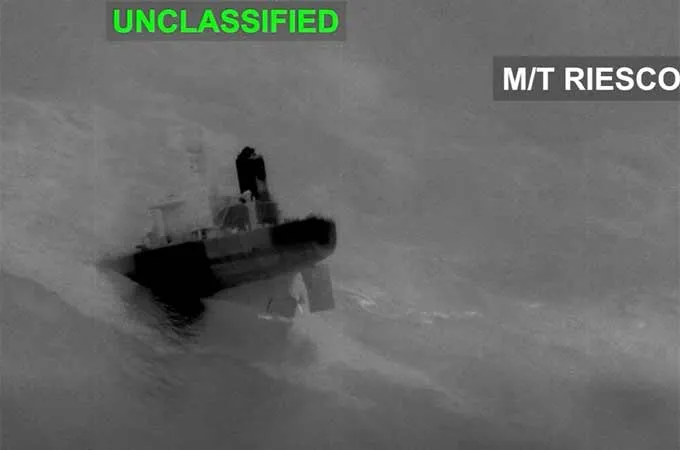
The US-Iran war has entered a dangerous new phase in the Gulf, with American forces destroying five Iranian oil tankers and Tehran retaliating with missile strikes on a US-linked military base in Jordan and attacks on vessels in the Strait of Hormuz.
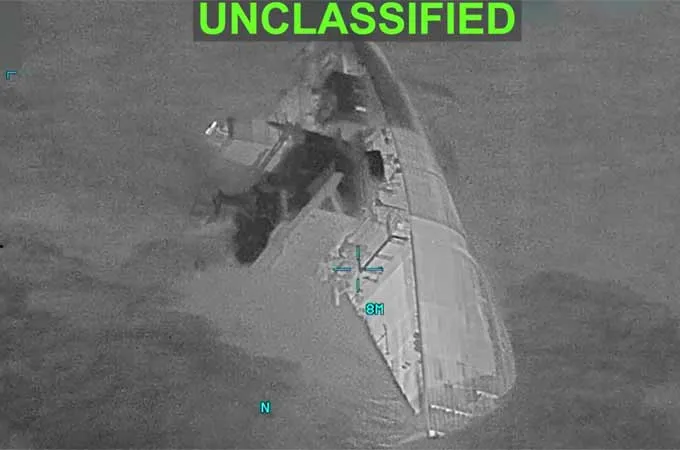
Iran has warned that any further US attack will trigger a “faster, heavier and more painful” response, as Tehran said it will impose tighter control over shipping around the Strait of Hormuz following the latest US strikes on Iranian oil tankers.
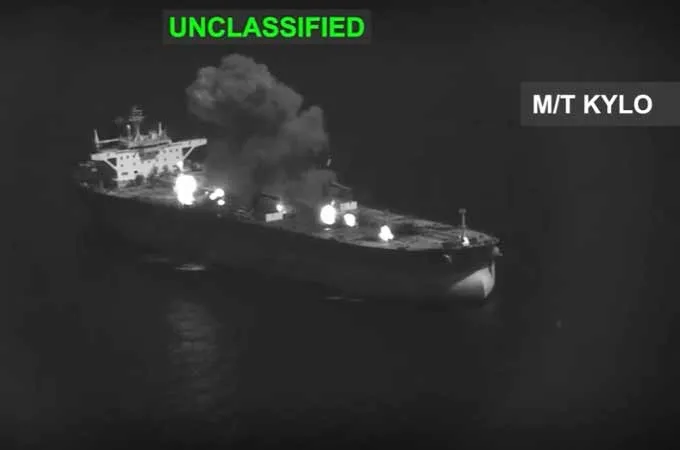
The United States has sharply escalated its confrontation with Iran, striking three Iranian crude oil tankers after the Islamic Revolutionary Guard Corps (IRGC) launched ballistic missiles towards two US Navy warships in regional waters, in the latest tit-for-tat exchange.
Oil prices were heading for their strongest weekly gain since mid-July on Friday as renewed fighting between the United States and Iran heightened concerns over disruptions to Middle East energy supplies.
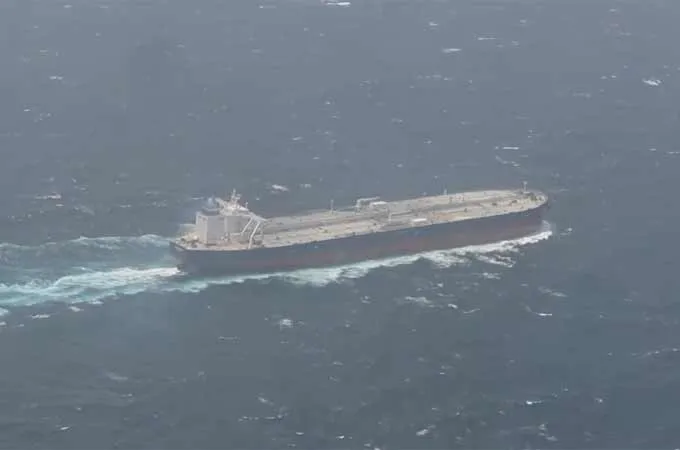
Brent crude held above $103 a barrel early Wednesday as a sharp recovery in oil flows through the Strait of Hormuz offered some relief to a market still grappling with the effects of the prolonged Iran conflict and uncertainty over the waterway's future.
The US military escorted 40 commercial vessels carrying about 18 million barrels of oil through the Strait of Hormuz on Tuesday, a wartime record, as Washington and Tehran traded their heaviest blows in weeks, CNN reported, citing two US officials familiar with the operation.

Oil exports through the Strait of Hormuz are rebounding this month despite continued restrictions on shipping, with Saudi Arabia sharply increasing shipments through the strategic waterway after attacks disrupted its main pipeline route to the Red Sea, according to data from energy intelligence firm Kpler.
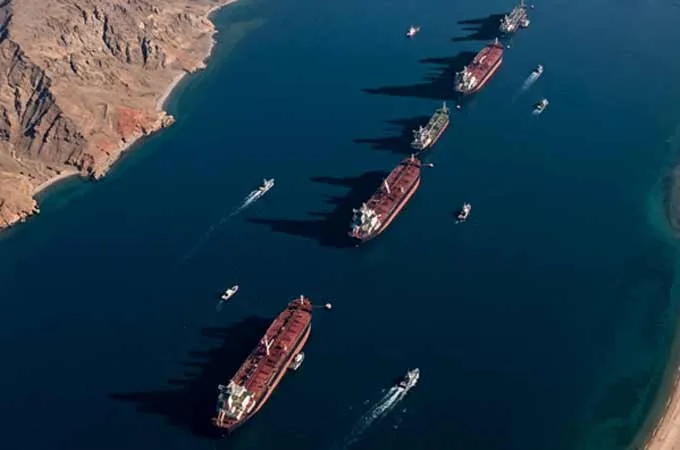
US President Donald Trump has rejected an Iranian proposal to reopen the Strait of Hormuz within seven days and resume nuclear negotiations, dealing a setback to diplomatic efforts to end the seven-month conflict and restore shipping through the vital waterway.

Saudi Arabia, Türkiye and Pakistan are moving to deepen military coordination as Houthi attacks on the kingdom intensify, with the three countries preparing an urgent meeting of their chiefs of staff under a newly signed joint defence pact.

Iranian President Masoud Pezeshkian used his address to the United Nations General Assembly to send a message to Iran’s Gulf neighbours, saying Tehran’s security must be guaranteed if the wider region is to avoid being drawn into continuing instability.