The United States and Iran have announced an agreement aimed at ending months of conflict and paving the way for the reopening of the Strait of Hormuz, a vital shipping route for global energy supplies, although key details of the accord remain unclear.
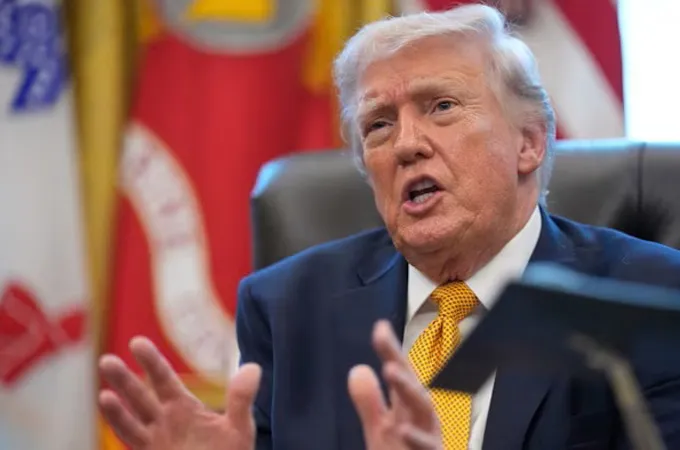
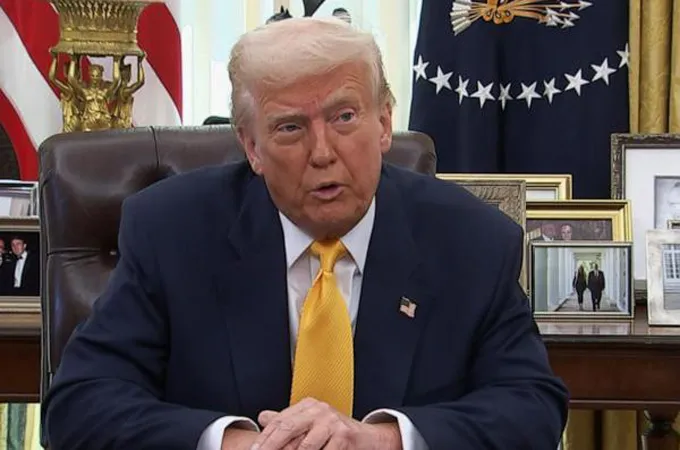
US President Donald Trump said the agreement had been completed and would be formally signed in Switzerland on Friday. He said the accord would lead to the reopening of the Strait of Hormuz and the lifting of the US naval blockade on Iranian ports.
"The Deal with the Islamic Republic of Iran is now complete," Trump said in a post on Truth Social on Sunday. "With the opening of the Strait upon the signing of the Deal on Friday, oil will flow on both ends again for the Region, and the World."
The announcement came shortly after Pakistani Prime Minister Shehbaz Sharif, whose government helped mediate negotiations between Washington and Tehran, said a deal had been reached.
Sharif said the memorandum of understanding provides for the immediate and permanent cessation of military operations on all fronts, including Lebanon, an issue that had complicated negotiations amid continued hostilities between Israel and Hezbollah.
Iran also signalled its support for the agreement. In a statement, the secretariat of Iran's Supreme National Security Council said military operations on all fronts, including Lebanon, would end permanently beginning Monday night.
Iranian Deputy Foreign Minister Kazem Gharibabadi said a broader agreement covering sanctions relief and other outstanding issues would be negotiated during a 60-day ceasefire period following the signing ceremony.
The future of Iran's nuclear programme, one of the most contentious issues between the two countries, is expected to be addressed in those follow-up negotiations.
Despite the apparent breakthrough, Washington and Tehran have offered differing accounts of the next steps. Gharibabadi said future negotiations would depend on the United States first releasing billions of dollars in Iranian funds frozen abroad.
A US official rejected that assertion, saying no frozen assets would be released before Iran fulfilled its commitments under the agreement.
"This is a pay-for-performance deal and no frozen funds will be released without the Iranians implementing their commitments," the official said.
The accord is also expected to result in the reopening of the Strait of Hormuz, through which a significant share of the world's oil and liquefied natural gas shipments pass. Trump said he had authorised the removal of the US naval blockade on Iranian ports and described the reopening of the waterway as a key outcome of the agreement.
A US official said the military had received a directive to lift the blockade once the agreement is signed on Friday, although plans could still change before then.
Israel, which has said it was not a party to the US-Iran negotiations, did not immediately comment on the announcement.
While both sides have portrayed the agreement as a major step toward reducing tensions, significant questions remain over implementation, sanctions relief and the framework for future negotiations.