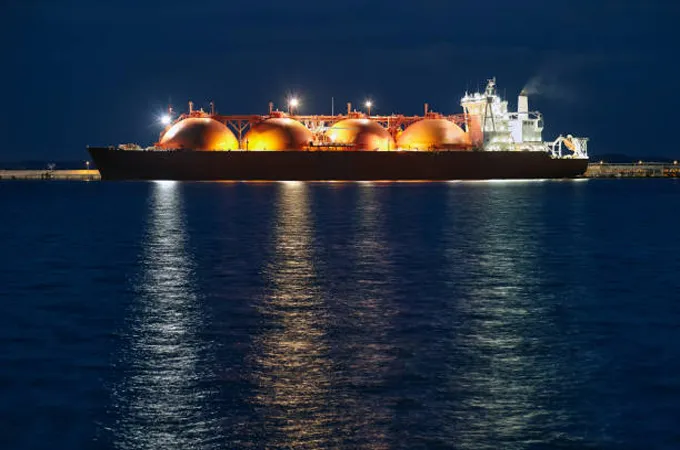
US-Saudi consortium Mera Oil has entered the final stage of selecting a host location for its planned $5 billion integrated refinery and energy export corridor. Following three years of evaluation, three GCC sites outside the Strait of Hormuz have been shortlisted.
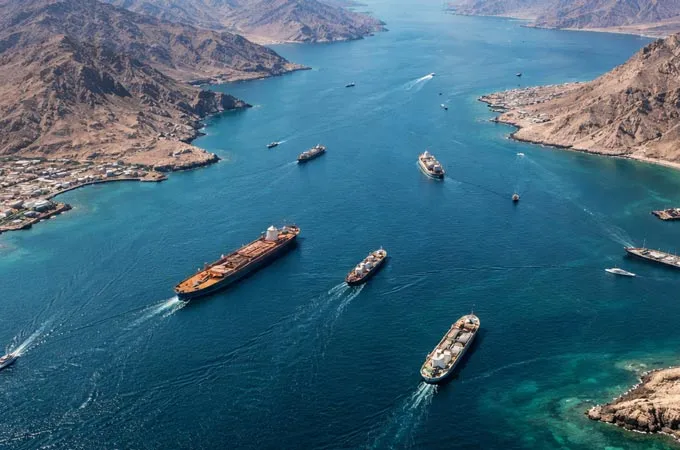
Oil prices climbed sharply on Wednesday as renewed military clashes between the United States, Saudi Arabia and Iran kept traders on edge about supply disruptions, even as Oman unveiled a Gulf-backed proposal aimed at safeguarding shipping through the Strait of Hormuz.

Oil prices extended their sharp decline in early Asian trading on Tuesday as markets welcomed a fourth consecutive night without military strikes between the United States and Iran, easing immediate fears of a wider disruption to Middle East energy supplies.
Oil prices remained under pressure as the pause in military operations in the Middle East reduced the risk of immediate geopolitical escalation. Also hopes surrounding talks between Iran and Oman over shipping through the Strait of Hormuz improved market sentiment, said an industry expert.

Oil prices fell sharply on Monday after the United States and Iran halted hostilities over the weekend, raising hopes that a diplomatic breakthrough could ease tensions in the Middle East. However, shipping through the region's two critical maritime chokepoints – the Strait of Hormuz and the Bab al-Mandeb Strait – remains severely disrupted, keeping concerns over global energy supplies alive.

The International Energy Agency (IEA) has warned that escalating conflict in the Middle East is increasing risks to global energy security, with threats to the Strait of Hormuz and Bab el-Mandeb Strait fuelling uncertainty over global oil and natural gas supplies.

The risk of the US-Iran conflict escalating into a broader regional war intensified on Monday after the United States carried out a ninth consecutive night of strikes on Iranian targets, prompting fresh missile attacks by Tehran and raising fears that diplomacy may be losing ground to military confrontation.

The United States and Iran exchanged a fresh wave of military strikes for a sixth consecutive night, deepening fears of a wider regional conflict as Tehran prepared to expand its pressure on global energy supplies by threatening to shut another critical maritime chokepoint at the entrance to the Red Sea.

Oil prices surged on Tuesday, with Brent crude climbing above $85 a barrel for the first time in a month, as Iran's missile strike on two oil tankers and the United States' decision to reinstate a sweeping naval blockade of Iranian ports intensified a confrontation for control of the strategic Strait of Hormuz.
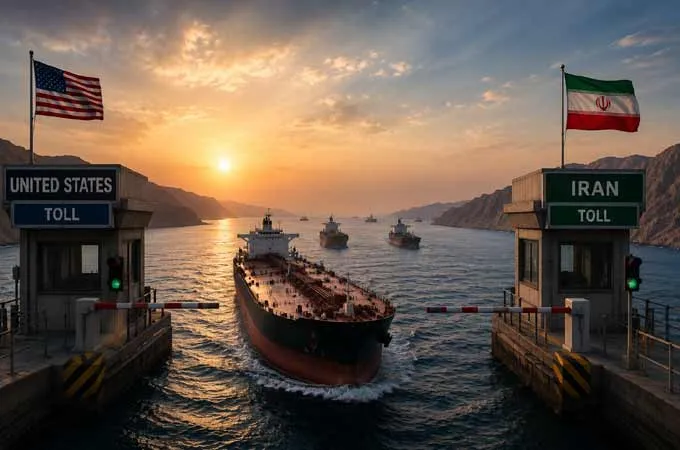
Tolls in the Strait of Hormuz now look almost impossible to avoid. Should they land, the world would be paying a new tax on energy itself, and everyone from investors to households would feel it.