US Defence Secretary Pete Hegseth has said that the US-Iran ceasefire is not over despite this week's attacks on vessels in the Strait of Hormuz. The US effort to guide vessels out of the strait is temporary and separate, he said.

US President Donald Trump has announced that the US will begin guiding ships through the Strait of Hormuz, which remains largely blocked by Iran, starting Monday.

US President Donald Trump has yet to decide whether to endorse a reported memorandum of understanding negotiated between US and Iranian officials, as the world awaits a potential extension of the ceasefire and eventual peace deal.
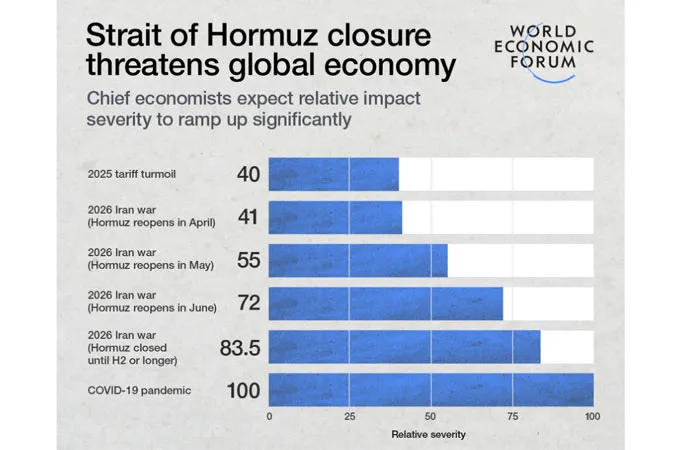
The global economic outlook has deteriorated sharply in recent weeks, according to the latest edition of the World Economic Forum’s Chief Economists’ Outlook published on Thursday (May 28).

Fresh US military strikes near Iran’s strategic port city of Bandar Abbas and comments from President Donald Trump that he would not be rushed into a deal, added to tensions in the Gulf, while oil prices rebounded after sharp losses earlier in the week.
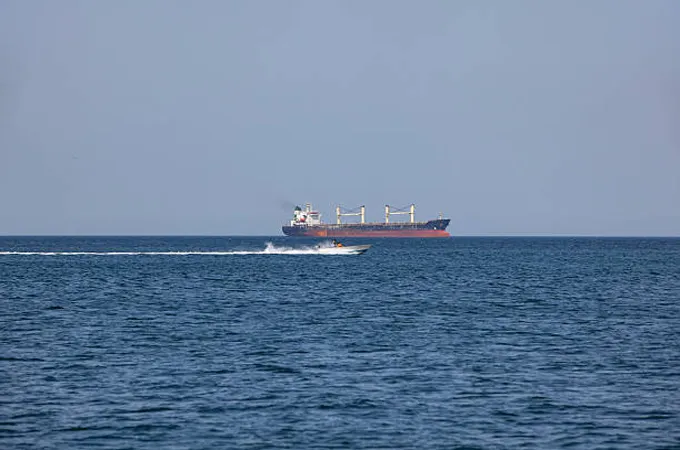
Two liquefied natural gas tankers passed through the Strait of Hormuz on Monday ( May 25) heading to route to Pakistan and China, while a supertanker carrying Iraqi crude for China departed the Gulf on Saturday after being stranded for nearly three months, according to shipping data cited by Reuters.
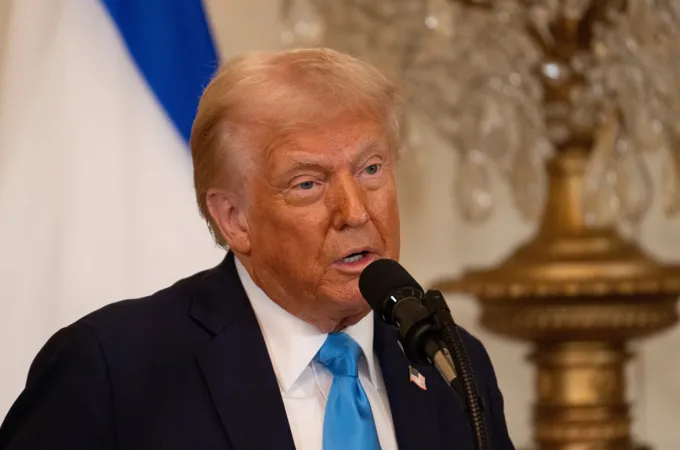
The agreement the US and Iran are close to signing involves a 60-day ceasefire extension during which the Strait of Hormuz would be reopened, Axios has reported. Iran would freely sell oil, and negotiations would be held on curbing its nuclear programme, it said.
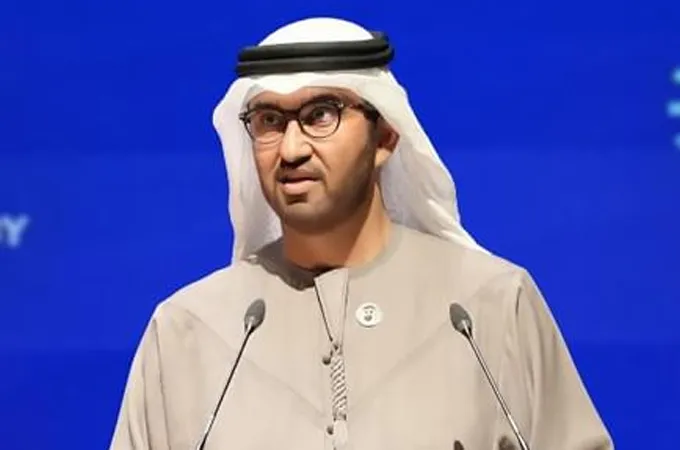
ADNOC remained committed to its $150 billion five-year capital expenditure (CAPEX) programme, said Dr Sultan bin Ahmed Al Jaber, UAE Minister of Industry and Advanced Technology. He sought an absolute commitment to freedom of navigation through the Strait of Hormuz to to enhance global energy resilience.
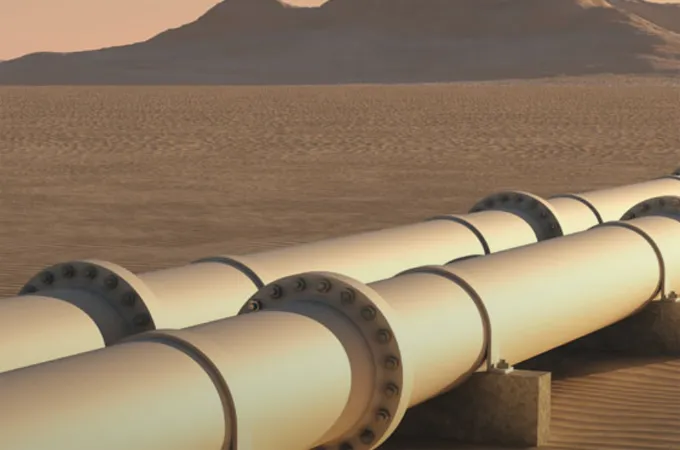
The Abu Dhabi National Oil Company (ADNOC) is accelerating construction of a second crude export pipeline designed to bypass the strategically sensitive Strait of Hormuz, with the project now 50% complete and targeted for delivery in 2027, according to Dr Sultan bin Ahmed Al Jaber, UAE Minister of Industry and Advanced Technology and ADNOC Managing Director and Group CEO.
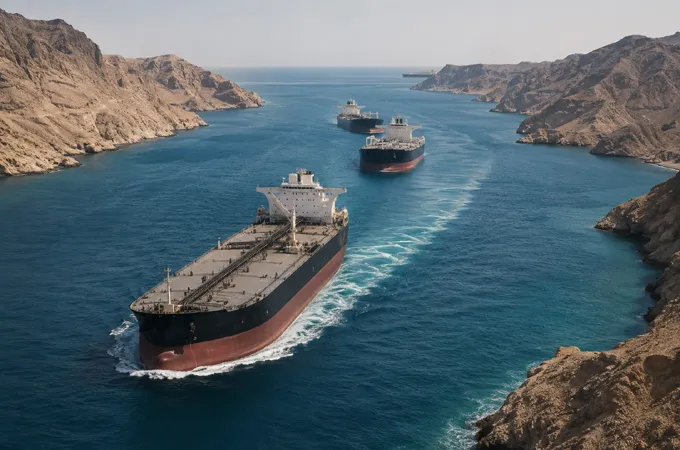
Three supertankers carrying 6 million barrels of Middle East crude resumed crossing the strategic Strait of Hormuz on Wednesday, signalling tentative hopes for stability in global oil flows as US President Donald Trump indicated he was prepared to give Iran a few more days to respond to Washington’s latest proposal aimed at ending the conflict.