The United States and Iran have signed a preliminary agreement aimed at ending months of conflict and paving the way for the reopening of the Strait of Hormuz, sanctions relief for Tehran and a new round of negotiations on Iran's nuclear programme.

The United States and Iran have announced an agreement aimed at ending months of conflict and paving the way for the reopening of the Strait of Hormuz, a vital shipping route for global energy supplies, although key details of the accord remain unclear.

US President Donald Trump said an agreement with Iran is scheduled to be signed on Sunday and would lead to the reopening of the Strait of Hormuz, but Iranian officials indicated that significant differences remain and denied that a final deal was ready for signature.

The United States launched a new round of strikes on military targets across Iran overnight, prompting retaliatory missile and drone attacks by Tehran against US bases in Bahrain, Kuwait and Jordan and renewed threats to shut the Strait of Hormuz. The latest exchanges have heightened concerns that the conflict could again hit life in the Gulf.
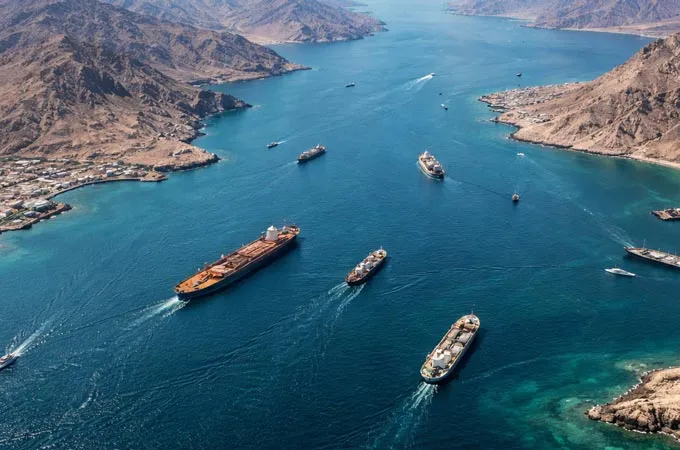
Three Indian crew members remain missing after a commercial vessel was attacked off the coast of Oman on Wednesday, as US President Donald Trump warned that Washington would strike Iran "hard" again, raising fears of further escalation across the Gulf.

Saudi Arabia's economy is expected to accelerate sharply in 2027 after a subdued performance this year, with Riyad Capital forecasting real GDP growth of 6.8% next year compared with 0.9% in 2026, driven by a recovery in oil production and continued expansion of non-oil sectors.

US forces attacked Iranian military facilities after Iran launched “unprovoked” missile, drone and small boat attacks against American warships transiting the Strait of Hormuz, US Central Command (CENTCOM) said.

Iran is expected to respond on Thursday to a US proposal aimed at ending the conflict and establishing a framework for broader nuclear negotiations, according to media reports, as diplomatic efforts intensified amid continuing tensions in the Gulf.

US President Donald Trump said the US military will temporarily pause “Project Freedom” — the military-backed plan to guide commercial vessels through the Strait of Hormuz — signalling a potential easing of tensions with Iran.
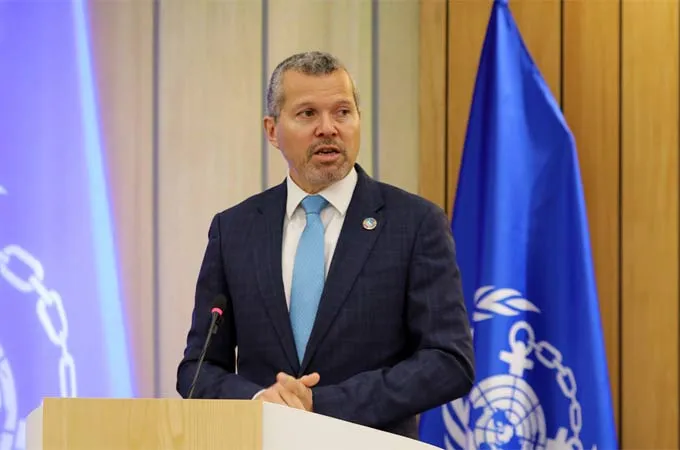
Around 20,000 seafarers remain trapped and unable to leave in and around the Strait of Hormuz, said International Maritime Organization (IMO) Secretary-General Arsenio Dominguez.