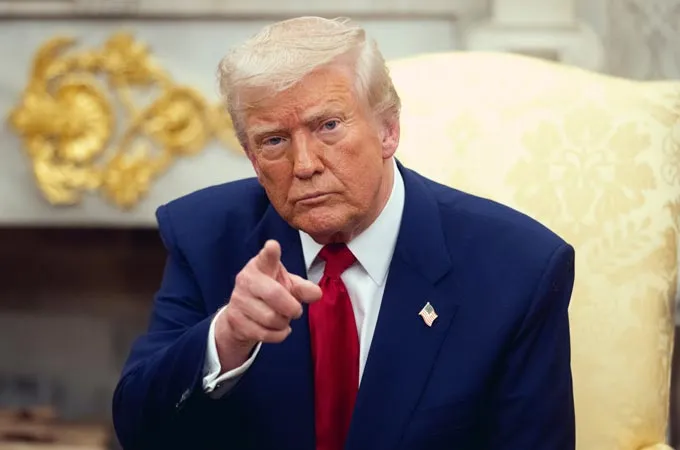
The Gulf faced a fresh escalation on Monday as US President Donald Trump announced the immediate reinstatement of a blockade targeting Iranian shipping in the Strait of Hormuz and proposed a 20 per cent charge on all cargo transiting the strategic waterway, intensifying a growing war of nerves between Washington and Tehran over one of the world's most critical energy chokepoints.

A recovery in world oil demand is underway, with consumption set to rise from its May nadir on seasonal trends and as pent-up demand is released in line with a rebound in product supplies, says an International Energy Agency (IEA) report.

The United States launched a fresh wave of military strikes against Iran on Sunday after Tehran targeted a merchant vessel transiting the Strait of Hormuz, sharply escalating a conflict that has spread across the Gulf and further dimmed hopes for a return to diplomacy.

Oil tanker traffic through the Strait of Hormuz slowed to a near standstill on Thursday as renewed military exchanges between the United States and Iran shattered a three-week-old ceasefire, raising fresh concerns over energy supplies and regional security.
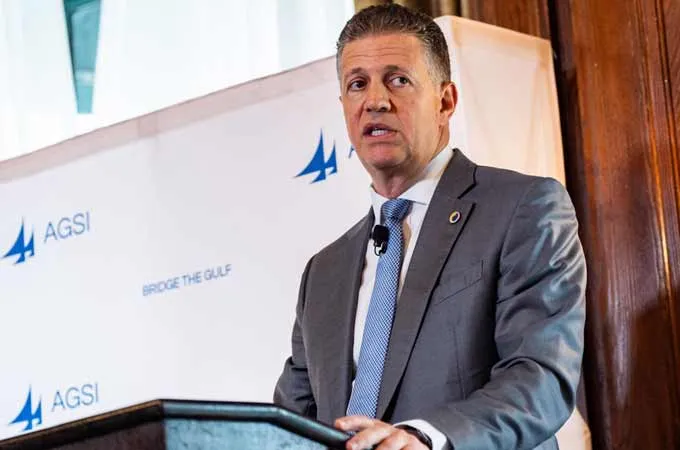
The disruption to shipping through Strait of Hormuz is not just energy shock, but a whole economy story; and while direct damage to energy infrastructure exceeds $60 billion, lost revenue and trade loss will be above $150 billion, Crescent Petroleum CEO has said.
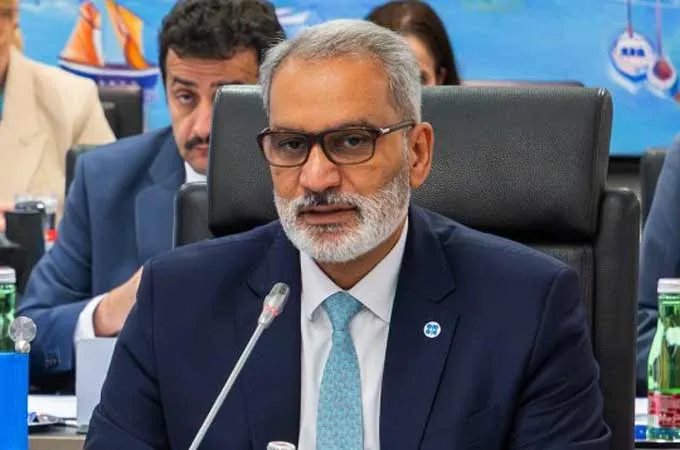
Despite ongoing disruption to oil flows through the Strait of Hormuz and continued uncertainty surrounding the conflict involving Iran, OPEC has maintained its forecast for global oil demand growth, citing no evidence of a slowdown in consumption.
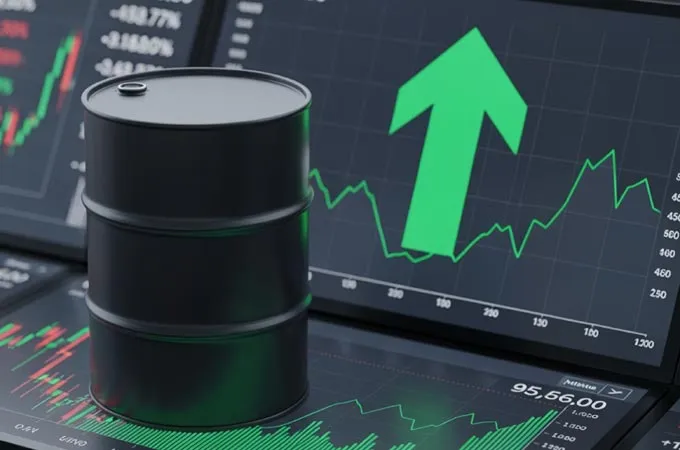
Oil prices edged higher on Monday after fresh exchanges of fire between the US and Iran renewed concerns over the security of shipping through the Strait of Hormuz, highlighting the fragility of an interim peace agreement reached earlier this month.
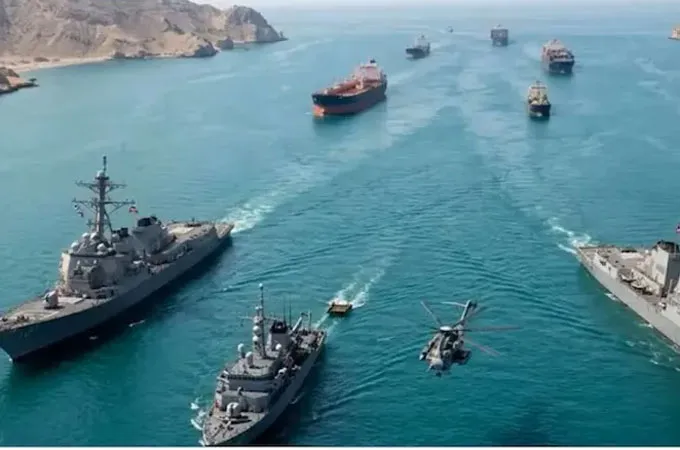
The UN International Maritime Organization (IMO) has temporarily suspended its operation to escort and evacuate ships through the Strait of Hormuz after a cargo vessel came under attack, raising fresh concerns over maritime security despite a preliminary agreement aimed at ending the Iran conflict.
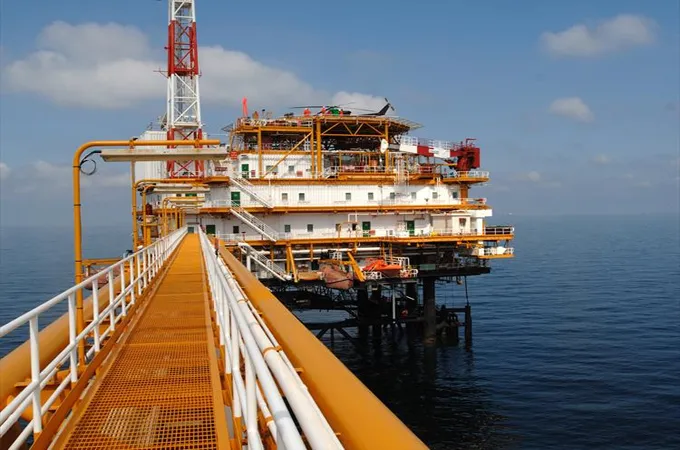
Qatar expects to restore normal liquefied natural gas (LNG) production within weeks, Prime Minister Sheikh Mohammed bin Abdulrahman al-Thani told the Financial Times.
The United States has granted Iran a 60-day sanctions waiver allowing Tehran to sell oil in US dollars for the first time in decades, marking a significant breakthrough in efforts to secure a lasting peace agreement following the recent conflict in the Middle East.