US President Donald Trump has yet to decide whether to endorse a reported memorandum of understanding negotiated between US and Iranian officials, as the world awaits a potential extension of the ceasefire and eventual peace deal.
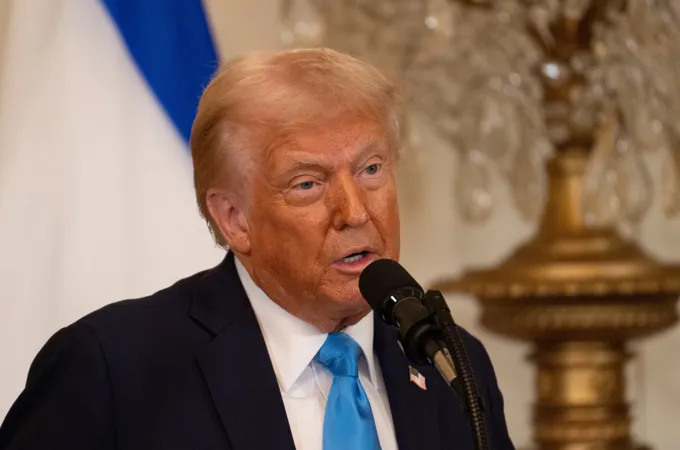
Trump met senior advisers for about two hours in the White House Situation Room on Friday after saying he was preparing to make a "final determination" on a proposal that could extend the current ceasefire with Iran by another 60 days and pave the way for broader negotiations, said a CNN report. However, there was no immediate indication that a decision had been reached.
The proposed understanding is viewed as significant because it could lead to the reopening of the Strait of Hormuz to unrestricted commercial shipping and create conditions for renewed talks on Iran's nuclear programme.
A White House official said President Trump would only support an agreement that meets US conditions.
"President Trump will only make a deal that is good for America and satisfies his redlines. Iran can never possess a nuclear weapon," the official said.
Trump reiterated that any agreement would require Iran to permanently forgo nuclear weapons and ensure unrestricted access through the Strait of Hormuz.
"Iran must agree that they will never have a Nuclear Weapon or Bomb. The Hormuz Strait must be immediately open, no tolls, for unrestricted shipping traffic, in both directions," Trump said.
However, significant differences appear to remain between the two sides.
Iran's Foreign Ministry said a memorandum of understanding had not yet been finalised, while there has been no definitive indication that Supreme Leader Mojtaba Khamenei has approved the document. Reuters quoted an Iranian source a saying an agreement was close but had not yet received final approval.
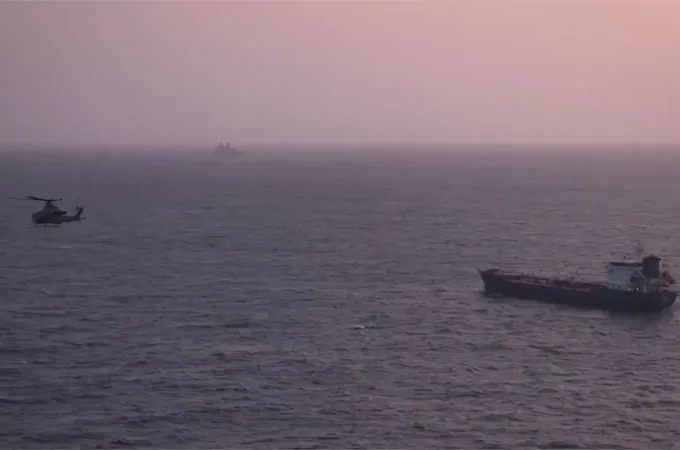
Adding to tensions, Iran's Islamic Revolutionary Guard Corps (IRGC) Navy said it had fired warning shots at four vessels near the Strait of Hormuz after they allegedly attempted to transit the waterway without prior coordination or authorization, according to a statement carried on an affiliated Telegram channel.
Iran's Ambassador and Permanent Representative to the United Nations, Amir Saeid Iravani, defended Tehran's actions in the strategic waterway during a United Nations Security Council debate, saying Iran's measures were lawful and consistent with international law.
Referring to the Strait of Hormuz, Iravani said Iran could not allow the critical maritime route to be used as a corridor for hostile actions or military aggression against its sovereignty, territory and vital interests.
Meanwhile, Iranian Parliament Speaker and head of the negotiating team Mohammad Bagher Ghalibaf struck a hard line on the talks with Washington.
In a post on X, Ghalibaf said Iran secures concessions "not through dialogue, but through missiles," arguing that negotiations merely reinforce that reality. He also said Tehran places no trust in guarantees or verbal commitments and would judge any agreement solely on actions taken by the other side.