The number of adults living with diabetes in the UAE is projected to increase by 47% between 2024 and 2050, reinforcing the importance of early intervention and preventive care already being prioritised nationally.
According to the International Diabetes Federation’s latest Diabetes Atlas, cases are expected to rise from approximately 1.3 million to 1.9 million among adults aged 20–79.
World Health Expo (WHX) will address these issues through the Longevity & Wellness programme on its Healthspan Stage, taking place on January 27 and 28, 2027 at Dubai World Trade Centre (DWTC). A central discussion, The GCC metabolic health challenge – What can we change now?, will examine the interconnected effects of obesity, diabetes, inactivity, poor sleep and stress, with a focus on interventions hospitals, employers, insurers and individuals can implement over the next two years.
Physical activity
This discussion builds on the UAE’s National Health and Nutrition Survey 2024–2025, which is helping to guide national prevention efforts. Published by the Ministry of Health and Prevention (MoHAP) in January 2026, the survey found that 59.1% of adults do not engage in sufficient physical activity, 22.4% live with obesity, and 25.9% have high blood pressure. The findings complement work already underway, including MoHAP’s National Prediabetes and Diabetes Screening campaign and its national plan to tackle non-communicable diseases.
The panel will also examine how prevention can become part of routine care and everyday life. It will consider the responsibilities of healthcare providers, workplaces, and insurers in supporting sustained behaviour change, as well as the steps individuals can take to improve their metabolic health.
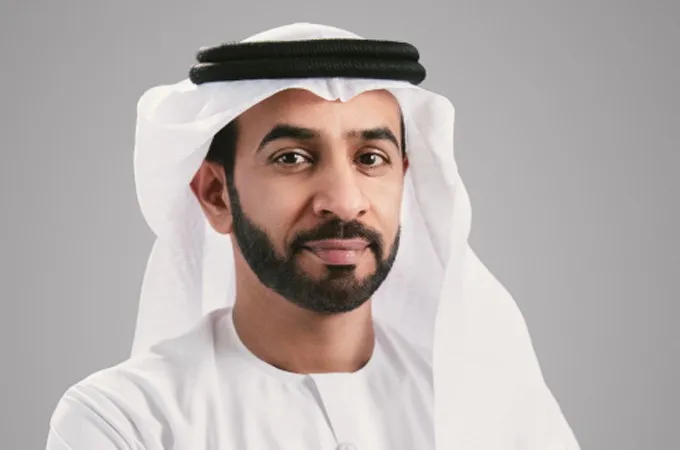
Dr Mishkat Shehata, Vice President, Emirates Lifestyle & Longevity Medicine Society; Chief Medical Officer, OMICS Precision Health, UAE, and WHX advisory board member for the Healthspan Stage, said: “Metabolic health is central to helping people live healthier for longer. Obesity, diabetes, physical inactivity, poor sleep, and chronic stress are closely linked, and the greatest gains come from when support is joined up. Early identification of risk must be followed by coordinated care that supports lasting changes, along with appropriate clinical treatment where needed.
Prevention a national priority
“The UAE has made prevention a national priority, and extending it through healthcare services, workplaces and communities will help even more people benefit. People need practical support that fits their daily lives, with progress measured through better health, physical function and quality of life over time.”
Under the theme From wellness to healthspan: Building credible, scalable longevity, the two-day Longevity & Wellness programme will explore how preventive care, healthy living and ageing science can help people spend more years in good health. Sessions will examine the evidence for clinical longevity services, how to measure outcomes, and what is needed to make these services accessible to a wider population.
The first day will connect metabolic health with the development of hospital-based longevity services, including patient selection, multidisciplinary care, governance and financial sustainability. A further discussion will examine how genomics, blood biomarkers, imaging and wearable data can inform earlier risk identification and personalised prevention.
These themes reflect the findings of the October 2026 Frost & Sullivan report, Longevity is redefining healthcare: From reactive care to lifelong health, supplied as background to the programme. The report identifies clinical validation, integrated health data and payment models that support prevention as foundations for the wider adoption of longevity medicine.
Actionable steps
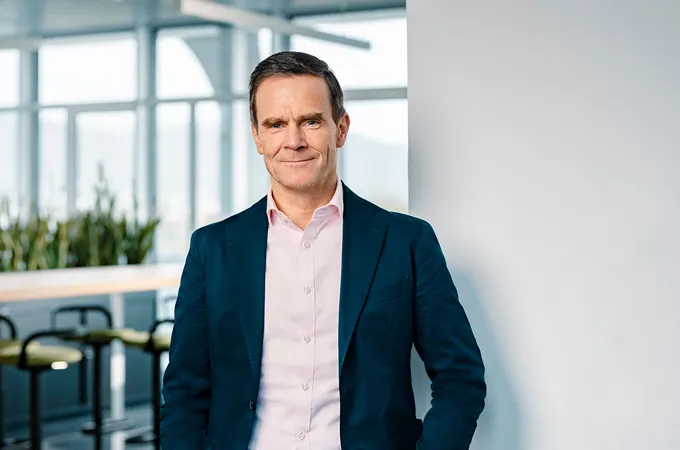
Solenne Singer, Senior Vice President, Healthcare, inD, said: “The UAE’s diabetes projections today reinforce why prevention is already such a strong national focus. The Healthspan Stage at WHX will bring together clinicians, healthcare providers, investors, and technology companies to explore actionable steps, identify key stakeholders, and discuss how to measure meaningful progress.
“There is considerable interest in longevity, but wider access will depend on services that are clinically credible and affordable to deliver. By connecting metabolic health with discussions about hospitals, workplaces, insurance and investment, the Longevity & Wellness programme will examine pathways to expand preventive care to more people.”
The second day will focus on healthy living and the conditions that support it, including women’s midlife health, muscle strength and physical independence, and the practical value of wearable data. Sessions will also examine how homes and communities can support healthier routines, before considering which longevity business models can scale beyond premium clinics.
Role of real estate
The programme will also examine the role of real estate in preventive health. A session on how longevity can be designed into everyday life will consider how developers can make it easier for people to stay active and socially connected, from creating shaded walking routes to providing shared spaces where neighbours can meet. The discussion will also ask how developers and health experts can measure whether these design choices improve residents’ wellbeing over time.
WHX will also introduce a dedicated Longevity & Wellness exhibition sector at DWTC, bringing together organisations working in prevention, healthy ageing, precision health and wellness with clinical buyers, giving them access to these high-growth markets driving the next generation of preventative health.—TradeArabia News Service