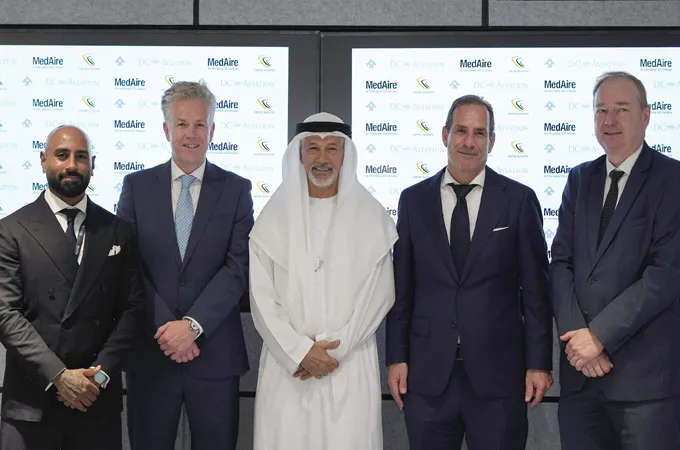
Resilience, operational stability and collaboration are supporting continued growth in Middle East business aviation amid rising demand and a complex operating environment. MedAire said activity is expanding across key markets including the UAE, Saudi Arabia and Qatar, driving greater focus on risk management and preparedness.

South Korea plans to reduce its reliance on Middle Eastern crude oil to 50 per cent by 2035, as Seoul seeks to diversify energy supplies following regional disruptions. The government’s 10-year resource security plan calls for a major transformation of supply chains.

PriceTravel Holding is accelerating its business-to-business expansion across the Middle East and GCC, with Total Transaction Value (TTV) generated by the region’s source markets rising 112% year-on-year in 2026 compared with 2025.

PriceTravel Holding is accelerating its B2B expansion across the Middle East and GCC, with Total Transaction Value (TTV) generated by the region’s source markets rising 112% year-on-year in 2026 compared with 2025.

Intech has been awarded a contract to conduct a comprehensive Operational Technology (OT) network assessment for a leading liquid terminal operator in the Middle East, strengthening cybersecurity across industrial systems.
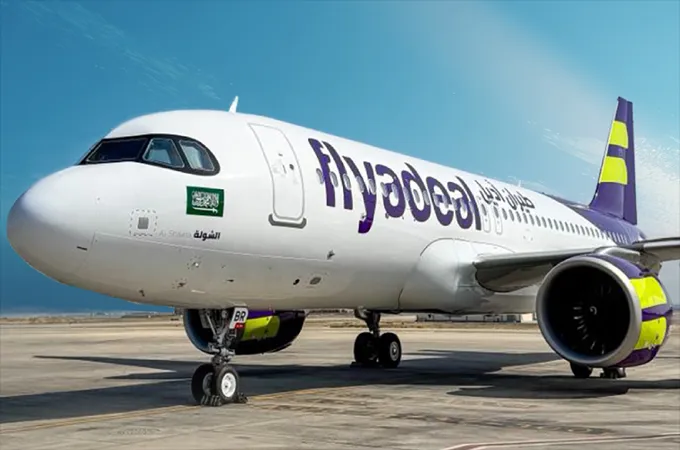
Saudi low-cost carrier flyadeal, part of Saudia Group, has been named the most on-time airline in the Middle East for May 2026, according to Cirium’s On-Time Performance report.
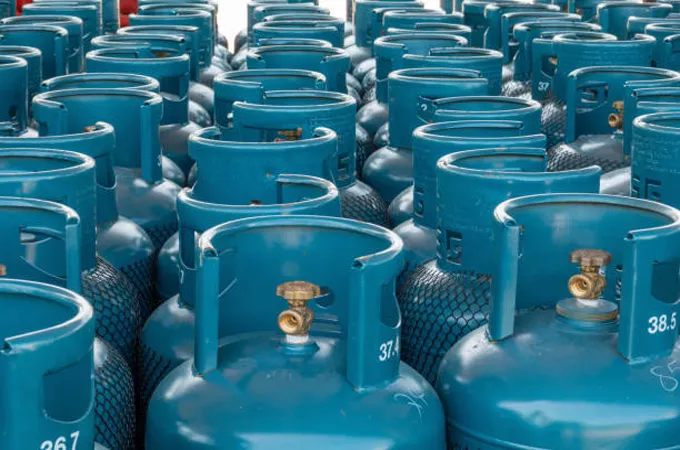
The International Energy Agency (IEA) warns the Middle East conflict-driven energy crisis is disrupting LPG supplies via the Strait of Hormuz, causing shortages and price spikes that threaten cooking fuel access for billions in developing Asia and other emerging economies.
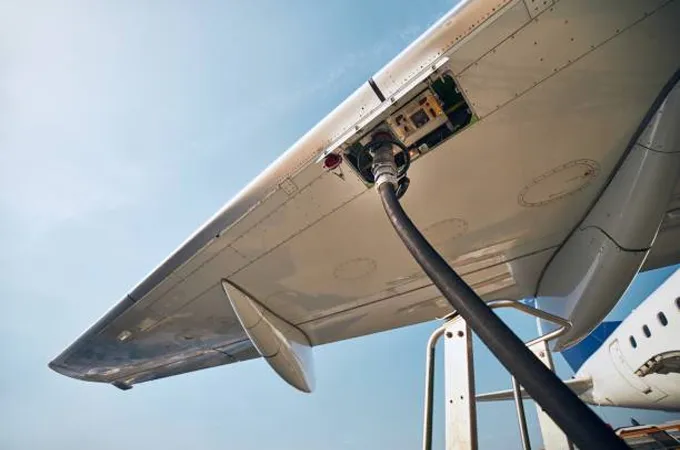
Europe risks jet fuel shortages after Middle East shipments halted due to conflict and closed shipping routes, threatening aviation just as airlines prepare for peak summer travel demand.
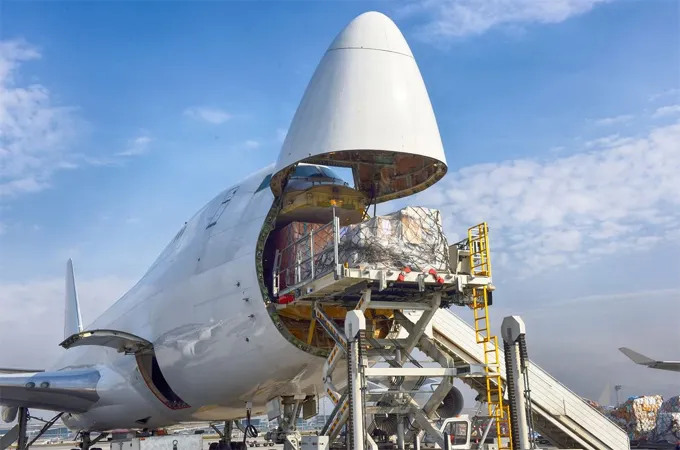
The International Air Transport Association (IATA) reported that in March 2026, global air cargo demand, measured in cargo tonne-kilometres (CTK), fell by 4.8% compared to March 2025, with international operations down 5.5%.

The World Travel & Tourism Council (WTTC) reports that Middle East Travel & Tourism grew 5.3% in 2025, surpassing global rates. Strong visitor spending lifted the GDP contribution to $385.8 billion and supported 7.1 million jobs, with Saudi Arabia leading regional growth, accounting for $178 billion in GDP.