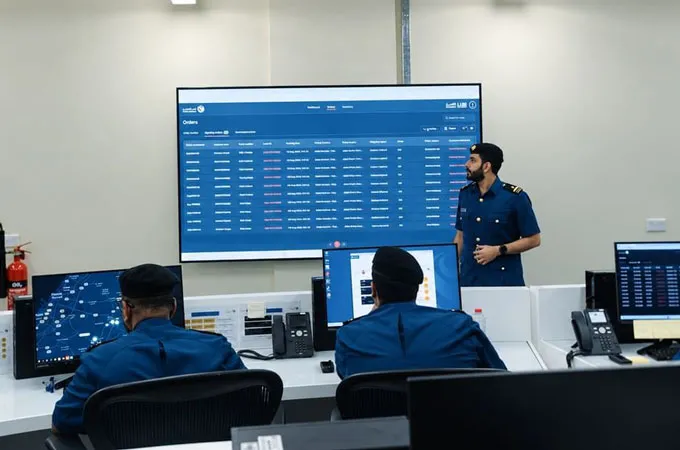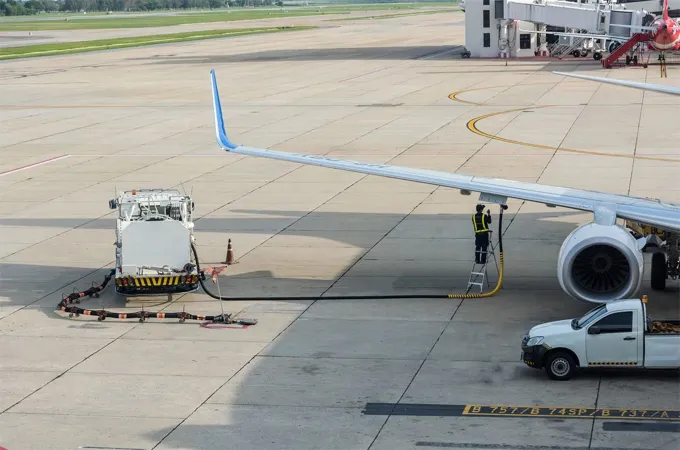
Data and industry collaboration are becoming increasingly important tools for airlines seeking to reduce fuel consumption as rising energy prices put further pressure on profitability, according to Stuart Fox, Director, Flight and Operations at the International Air Transport Association (IATA).
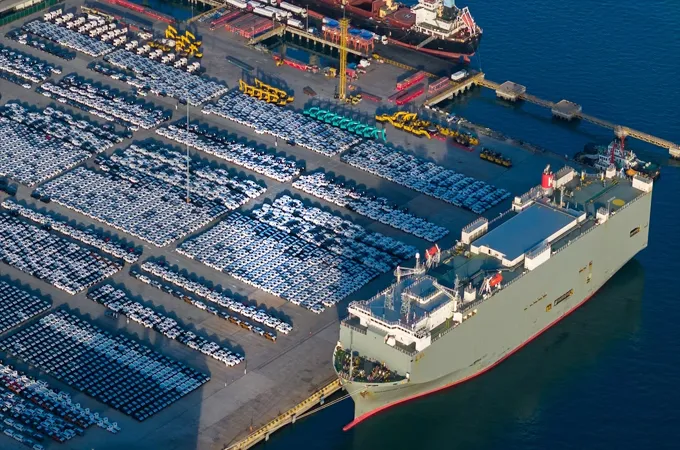
Global electric car sales rebounded strongly in the second quarter of 2026, with growth in markets including Australia, Europe, South Korea and other regions offsetting weaker demand in China and the US, according to a new report from the International Energy Agency (IEA).

European and US airlines could remove more frequencies in the winter and ground more aircraft than usual as high fuel costs make weaker services uneconomic, aviation analyst John Strickland has warned.
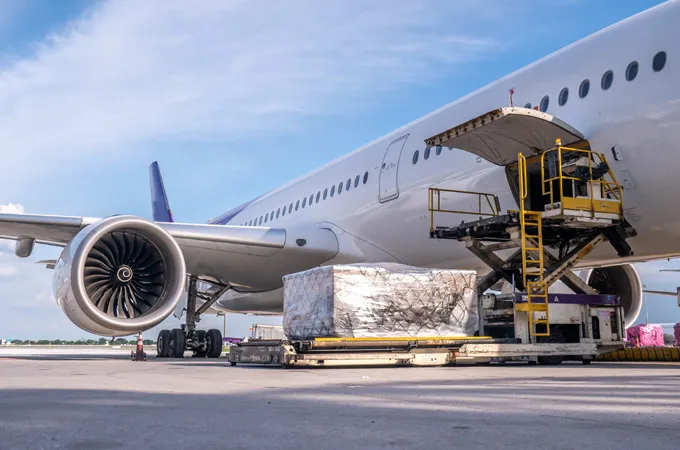
Global air cargo rates extended their decline at the end of June and early July as lower fuel prices and softer demand weighed on the market, although renewed tensions in the Middle East region have raised the risk of fresh supply chain disruption, according to a report.
South Korea’s inflation rose to a 26-month high in May, reaching 3.1 per cent year-on-year. The increase was driven mainly by higher fuel costs amid volatility in global energy markets, according to Statistics Korea.

Iraq is preparing to expand crude oil and naphtha exports through Syrian ports as it moves to diversify trade routes after the Iran war disrupted its main Gulf shipping channels and effectively closed the Strait of Hormuz.

Emirates confirmed it stands ready to launch daily services to Berlin and Stuttgart, committing more than €100 million ($116 million) each year in operational expenses, staff, airport charges, fuel and other expenditures, subject to the approval of the German Federal Ministry of Transport.

Saudi Arabia and Yemen have signed a $150 million agreement to supply fuel for power plants across multiple Yemeni governorates, strengthening electricity services and supporting energy stability under the Saudi Development and Reconstruction Programme for Yemen (SDRPY).

Britain introduced temporary measures allowing airlines to combine passengers onto fewer flights to cut jet fuel use, as concerns grow over potential shortages driven by supply disruptions and geopolitical tensions affecting Middle East supplies.
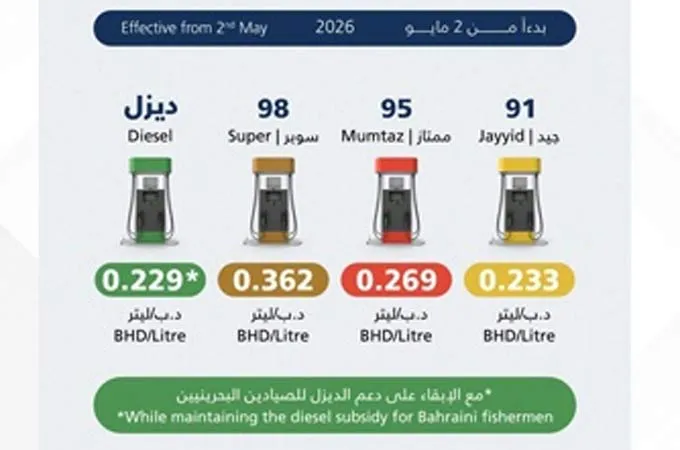
Bahrain's Fuel Pricing and Monitoring Committee has announced fuel prices for the local market for May, in line with the approved pricing mechanism and reflecting global market changes.