
Crude oil prices surged for a fourth consecutive session on Wednesday, with Brent approaching the psychologically important $100-a-barrel threshold as a fresh escalation in the US-Iran conflict heightened fears of prolonged disruptions to oil supplies from the Gulf.

Brent crude oil futures rose to settle at $97.31 per barrel on Monday, hitting a six-week high. US West Texas Intermediate (WTI) crude climbed 1.3%, or $1.17, to reach $92.65 per barrel.
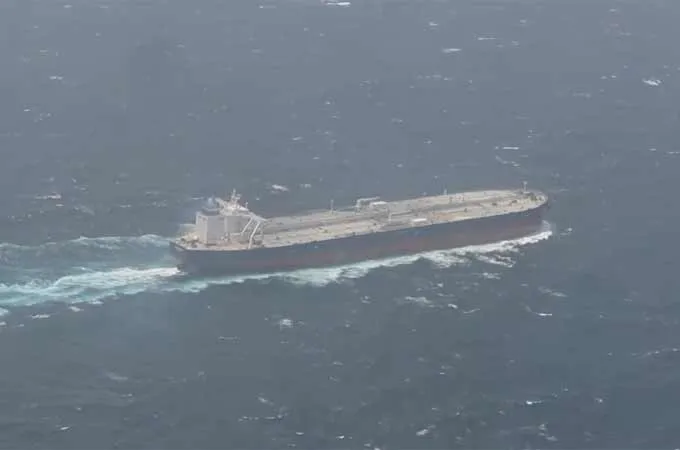
Brent crude held above $103 a barrel early Wednesday as a sharp recovery in oil flows through the Strait of Hormuz offered some relief to a market still grappling with the effects of the prolonged Iran conflict and uncertainty over the waterway's future.
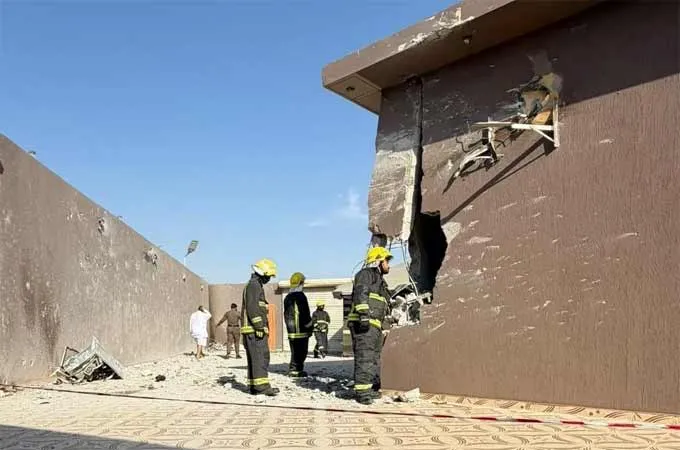
Oil prices fell about 1% on Friday, extending losses for a third consecutive session, even as Saudi Arabia and Yemen's Iran-backed Houthis exchanged fresh strikes and a tanker was hit in the Strait of Hormuz, with markets focusing instead on efforts to restore Saudi oil flows and alternative routes for Gulf exports.

Oil prices recovered on Tuesday after suffering their steepest one-day decline in weeks, as persistent concerns over potential supply disruptions in the Middle East outweighed optimism that diplomatic efforts could quickly end the five-month-old conflict between the United States and Iran.

Oil prices climbed nearly 2% on Wednesday as renewed US airstrikes on Iran and fresh sanctions on Tehran's oil exports reignited concerns over supplies from the Middle East after attacks on commercial vessels in the Strait of Hormuz.

Oil prices fell sharply on Monday after the United States and Iran halted hostilities over the weekend, raising hopes that a diplomatic breakthrough could ease tensions in the Middle East. However, shipping through the region's two critical maritime chokepoints – the Strait of Hormuz and the Bab al-Mandeb Strait – remains severely disrupted, keeping concerns over global energy supplies alive.
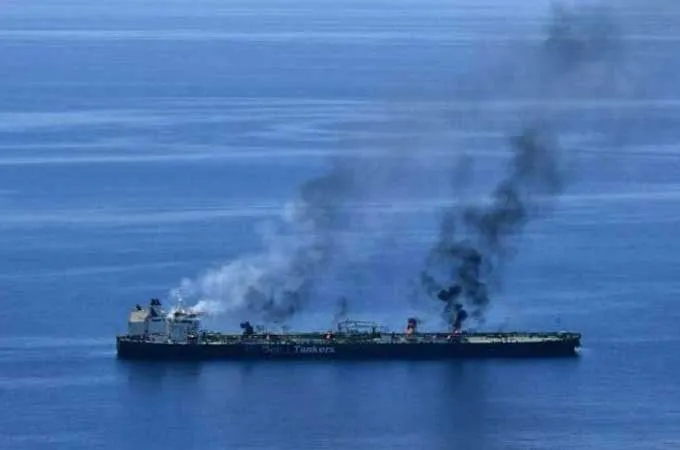
Oil topping $100 amid Red Sea attacks is rattling markets, affirms the CEO of a top independent financial advisory organisation. Brent crude touched $100.64 a barrel on Thursday, a jump of 7%, while US crude rose to $91.83, up 5.8% after Houthi rebels claimed to have struck two Saudi oil tankers in the Red Sea

Oil prices climbed for a second straight session on Wednesday, with Brent crude rising above $92 a barrel, as investors weighed the risk of widening supply disruptions from the escalating Middle East conflict.

Oil prices rose more than 4% at settlement on Friday, hitting their highest levels in over a month amid the ongoing Middle East conflict. Brent Crude futures surged by $3.87 (4.59%) to settle at $88.10 a barrel, while US West Texas Intermediate futures surged by 4.48% to $82.49.