
Embraer, a leader in aerospace sectoindustry, celebrated the delivery of its 2,000th E-Jet, a landmark achievement that underscores the success of one of the world’s three largest commercial jet families. The E195-E2 jet was delivered to Brazil’s top airline Azul Linhas Aéreas.
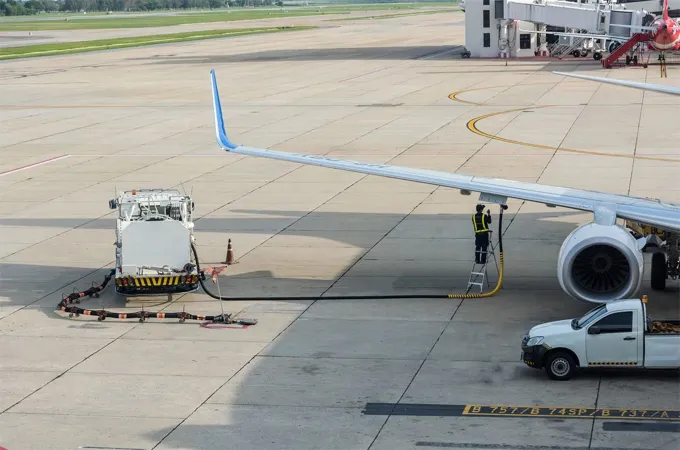
Data and industry collaboration are becoming increasingly important tools for airlines seeking to reduce fuel consumption as rising energy prices put further pressure on profitability, according to Stuart Fox, Director, Flight and Operations at the International Air Transport Association (IATA).

The global air transport industry is preparing to move twice as many passengers within a generation, (nearly 10 billion passengers) without doubling the airports, the fleet, or the people standing at the borders, according to a report by air transport IT specialist SITA.

European and US airlines could remove more frequencies in the winter and ground more aircraft than usual as high fuel costs make weaker services uneconomic, aviation analyst John Strickland has warned.

Several Gulf carriers have cancelled their flights to a few destinations, including some services to Bahrain, due to the ongoing regional situation, affecting many passengers planning to travel for the summer holiday, a GDNonline report said.

The International Air Transport Association (IATA) has sharply cut its profit outlook for the global airline industry, citing disruptions linked to the Middle East conflict. Airlines are now expected to post a net profit of $23 billion in 2026, while Middle East airlines are likely to post $4.3 billion loss, it said.

Kuwait International Airport’s Terminal 1 resumed operations on Monday, receiving and operating flights from international airlines as part of a phased reopening plan.

Global air cargo volumes rebounded in the first week of June as airlines restored capacity following disruptions caused by a convergence of public holidays in Europe (Pentecost), US (Memorial Day) and Eid Al Adha festival affecting notably Middle East & South Asia and Africa origin regions.

Britain introduced temporary measures allowing airlines to combine passengers onto fewer flights to cut jet fuel use, as concerns grow over potential shortages driven by supply disruptions and geopolitical tensions affecting Middle East supplies.

Total global air passenger demand, measured in revenue passenger kilometers (RPK), was down 3.4% in April this year, compared to April 2025, data from International Air Transport Association (IATA) said.