The International Air Transport Association (IATA) released the results of its 2025 Global Passenger Survey (GPS), highlighting two key trends that are redefining the passenger travel experience:
“Passengers want to
manage their travel the same way they manage many other aspects of their
lives—on their smartphones and using digital ID. As experience grows with
digital processes from booking to baggage claim, the message that travellers
are sending in this year’s GPS is clear: they like it, and they want more of
it. There is an important caveat which is the need to continue building trust,
so cybersecurity remains a priority. Cybersecurity must be core to the
end-to-end digital transformation of how we book, pay, and experience air
travel,” said Nick Careen, IATA’s Senior Vice President Operations, Safety and
Security.
Mobile-Reliance
Rising
The GPS confirms that
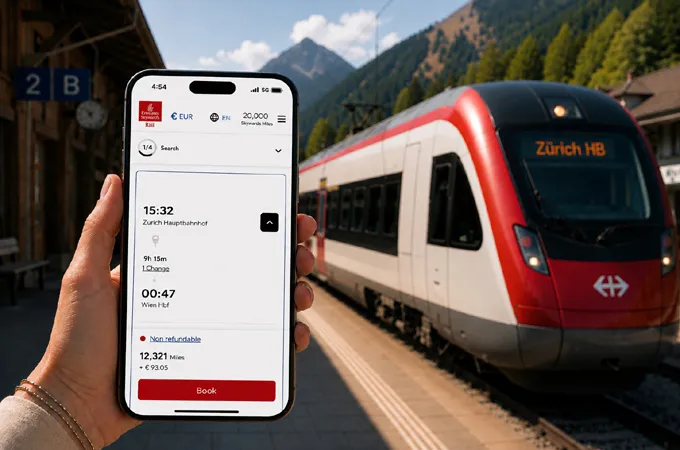
mobile devices have become central to the passenger journey. Travellers are
increasingly using their smartphones to book flights, manage payments and
loyalty programs, and handle check-in, immigration, boarding, and baggage
processes. Enthusiasm for mobile-enabled travel is higher than ever.
Biometric Adoption
Accelerates
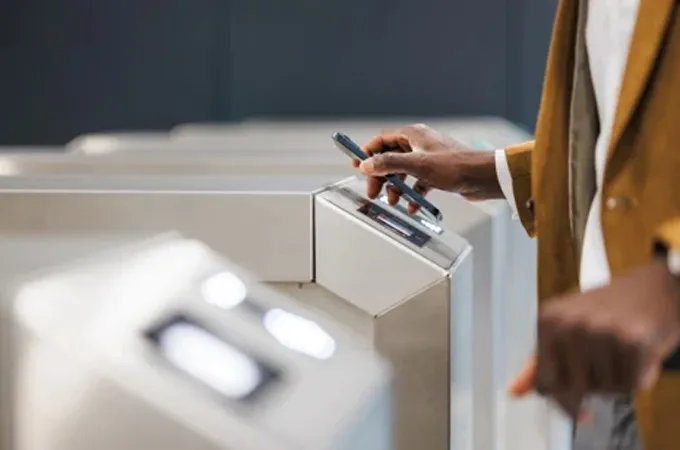
The use of biometrics
at airports is expanding, and passenger satisfaction with biometrics has
reached its highest level yet.
“Passengers are
already using biometrics for different stages of their journey, from check-in
to boarding. But to make the international travel experience fully digital,
governments need to start issuing digital passports and enable their secure
recognition across borders. When that becomes common practice, travellers,
governments, and airlines will all see the benefits of digital identity with an
experience that is even more convenient, efficient, and secure,” said Careen.
Regional Trends
Africa
African passengers
value the human touch; they are most likely to book through airline offices or
call centres. Their satisfaction levels are among the highest globally, ranking
second overall. Yet they face the greatest border challenges, with visa and
immigration complexity cited as key barriers. Simplifying these processes could
unlock major growth.
Asia-Pacific
Asia-Pacific travellers
are the most digitally savvy, with the highest overall satisfaction levels
among global travellers. They lead in using mobile apps and digital wallets to
book and pay for travel, and are the least likely to use credit cards. They are
also among the most frequent users of biometrics, though their satisfaction
with these experiences is the lowest. This tech-forward group expects ever
faster and more seamless journeys.
Europe
European passengers
are the most traditional and cautious. They prefer to book directly through
airline websites and typically pay by credit or debit cards. They are the least
likely of all regions to have used biometrics in the past year and remain more
hesitant to share data in advance or replace travel documents with digital
identification. Despite this cautious approach to technology, European travellers
rank as the fourth most satisfied globally.
North America
North American travellers
prioritize convenience above all else. They are the most likely to choose
flights based on total journey time and fewer layovers, and they rely heavily
on airline websites for booking. Despite this focus on convenience, they are
among the least satisfied travellers globally, ranking second from last across
all regions. Biometrics are widely used, but privacy concerns are the strongest
globally. Efficiency and trust in data security are top priorities for this
region.
Latin America &
the Caribbean
Latin American and
Caribbean travellers value personal interaction when booking and prefer to pay
with credit or debit cards. They are more likely than any other region to
obtain visas from a consulate or embassy. While they use biometrics less
frequently, they show strong willingness to adopt the technology and report
high satisfaction when they do. Personal service and convenience are top
priorities for this region; yet overall, they are the least satisfied travellers
globally.
Middle East
Loyalty matters to
Middle East passengers. They favour airports with strong service reputations
and their preferred airlines. They are highly digitally engaged, with
widespread use of digital wallets and strong enthusiasm for smartphone-based
travel credentials. They are among the most satisfied travellers globally,
ranking third overall. Loyalty and service quality remain top priorities in
this region.
Passenger Profiles
(Demographics)
Male Travellers
Male travellers are
typically more enthusiastic adopters of digital tools, adopting airline apps
more quickly than women. They show above-average interest in smartphone-only
journeys. They also use biometrics slightly more across travel processes.
Female Passengers
Female travellers are
somewhat more cautious adopters of digital travel solutions but are steadily
increasing their use of airline apps in line with broader trends. They are more
likely to consider airline reputation and past experiences when making
decisions, showing a stronger preference for reliability and trust.
Younger Generations
(≤26 years)
Younger travellers are the most proactive in using technology to enhance their journeys but want stronger assurances on privacy and security. They are far more likely to book flights through apps than older age groups, who still rely on websites. They also show higher preference for digital wallets and biometrics over traditional documents. Despite their digital readiness, they are the hardest group to satisfy, with fewer reporting high satisfaction with their journeys. -TradeArabia News Service