Pakistan has conveyed to the United States a revised Iranian proposal aimed at ending the Middle East conflict, a Pakistani source told Reuters on Monday, after US President Donald Trump rejected Tehran’s earlier plan as unacceptable.
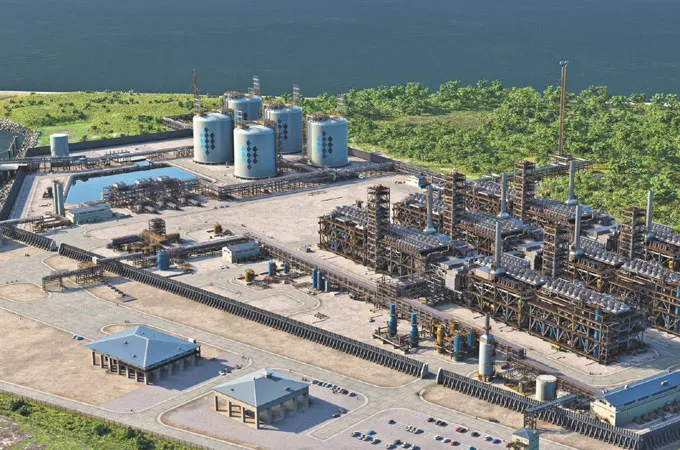
Abu Dhabi-based Mubadala Energy has announced that it has made a final investment decision with Kimmeridge and Canada Pension Plan (CPP) for its Commonwealth LNG project that includes successful closing of $9.75 billion in project financing for construction of the 9.5 Mtpa gas export facility in Louisiana, US.
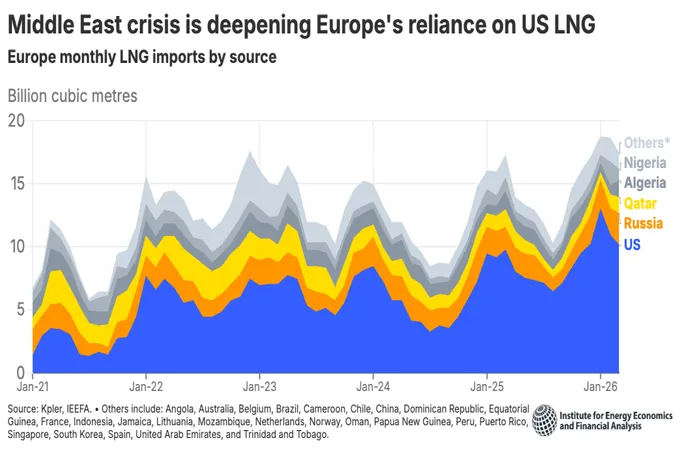
Europe is increasing reliance on US LNG, projected to supply two-thirds of imports in 2026, potentially becoming the EU’s main and costliest gas source amid shifting global supply, according to Institute for Energy Economics and Financial Analysis (IEEFA).
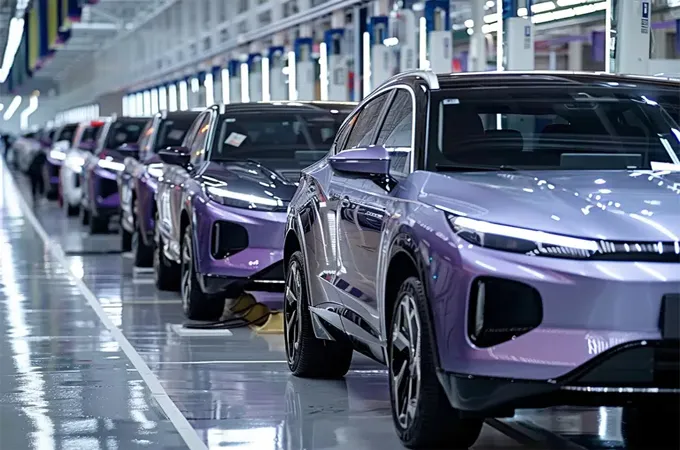
Benchmark Mineral Intelligence reported 1.60 million global EV sales in April 2026, up 6 per cent year-on-year but down 9 per cent month-on-month, driven by policy support, high petrol prices and Chinese OEM growth.
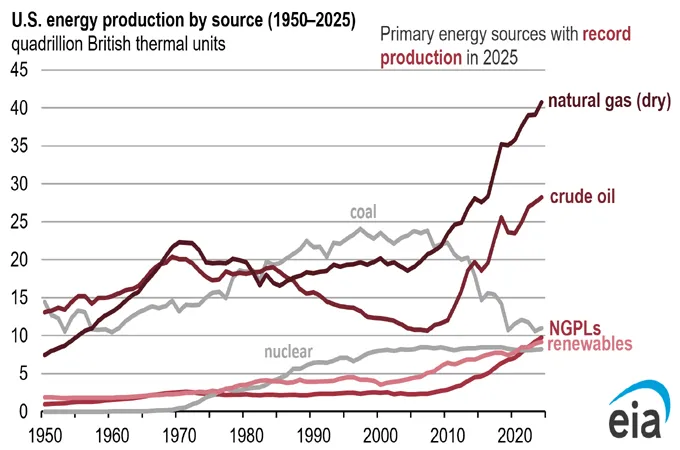
Total energy production in the US increased to a new record of 107 quadrillion British thermal units (quads) in 2025, a 3.4 per cent increase from the previous record set in 2024, according to new data in the US Energy Information Administration (EIA) Monthly Energy Review.
A Reuters survey showed that oil output Opec fell to a more than 20-year low in April, dropping 830,000 barrels per day to 20.04 million bpd as Strait of Hormuz disruptions linked to the US-Israeli conflict with Iran hit exports.

Specialised co-sourcing is gaining traction in the travel industry amid cost, talent, and geopolitical pressures. According to 24/7 Travel Partner Desk, it can cut operational costs by 40–50%, and up to 70% in high-cost markets like the US and Northern Europe.
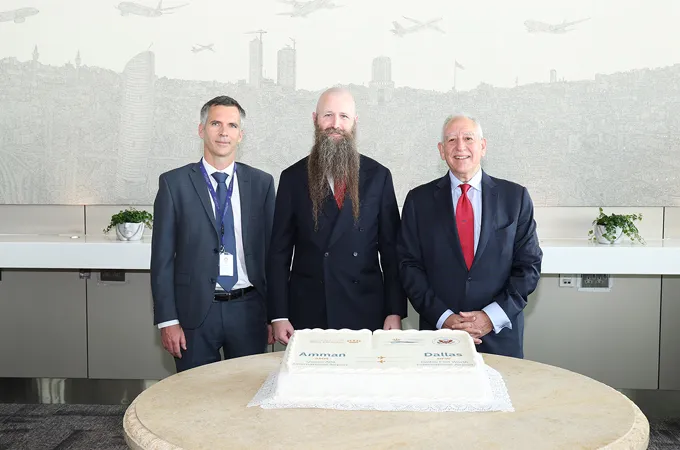
Royal Jordanian launched direct Amman–Dallas flights from May 10, operating four weekly Boeing Dreamliner services. Dallas becomes the airline’s fifth US destination, joining Washington, Chicago, New York and Detroit, strengthening connectivity between the Middle East and North America.

It would take months for jet fuel supply to recover even if the he Strait of Hormuz reopens, given disruptions to Middle East refining capacity, said Willie Walsh, Director General of the International Air Transport Association (IATA).

US President Donald Trump has hailed the ceasefire agreement between the US and Iran as a big day for world peace and said there is an opportunity to make big money.