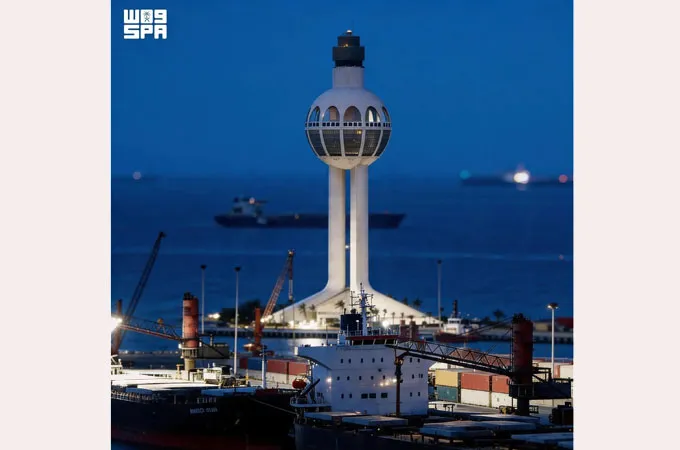
The Saudi Ports Authority (Mawani) has announced the addition of global shipping company PIL’s intra-Redsea feeder service to Jeddah port, a move that will enhance the port's capabilities and support trade between the kingdom and the other regional and international markets.

Shipping through the Strait of Hormuz slowed to a near standstill over the weekend following attacks on tankers, underscoring the growing risks to one of the world's most important energy routes, even as oil prices remained relatively steady amid the lack of progress in US-Iran peace talks.

The United States launched a fresh wave of military strikes across Iran overnight, targeting more than 80 sites after Tehran resumed attacks on commercial shipping in the Strait of Hormuz, further destabilising a fragile ceasefire agreed less than three weeks ago.

Bahri Logistics, a business unit of Saudi Arabia’s leading shipping, maritime transportation and logistics company Bahri, has signed a newbuild agreement with Grandweld Shipyard for the construction of two advanced offshore service vessels in bid to further boost its offshore capabilities.
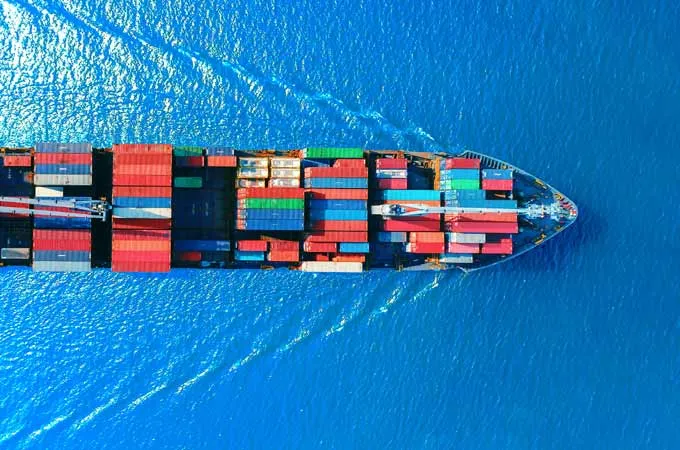
Shipping between Iran’s Dayyer port and Qatar’s Al Ruwais port has resumed following coordination between the Iranian embassy in Doha and Qatari authorities, a Reuters report said quoting Iran’s commercial attaché in Doha.

Qatar's Ministry of Transport (MoT) has announced that all maritime navigation activities can now resume normally for all types of maritime vessels and ships.

Saudi food and beverage manufacturing major Almarai has recorded solid results for Q2 despite the shipping woes and regional pressures. Its revenue surged 11% y-o-y to hit SAR5.87 billion ($1.54 billion) driven by resilient supply chain and robust demand across its core sectors.
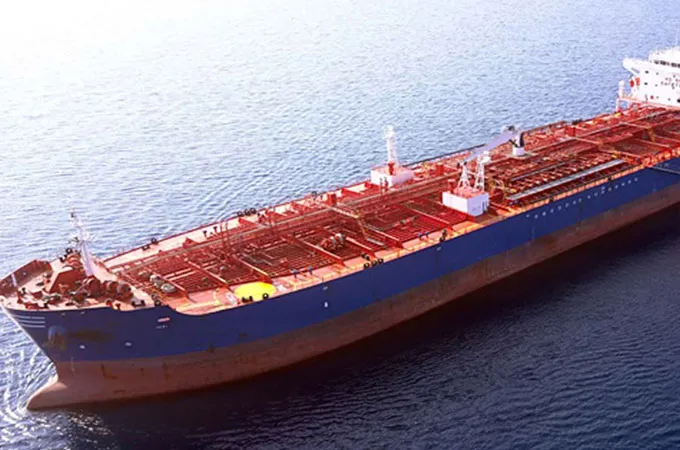
Al Seer Marine, a subsidiary of Abu Dhabi-based International Holding Company, has recorded a total revenue of AED579 million ($158 million) for the first six months, thus demonstrating the strength of its underlying commercial operations and its ability to maintain robust performance.
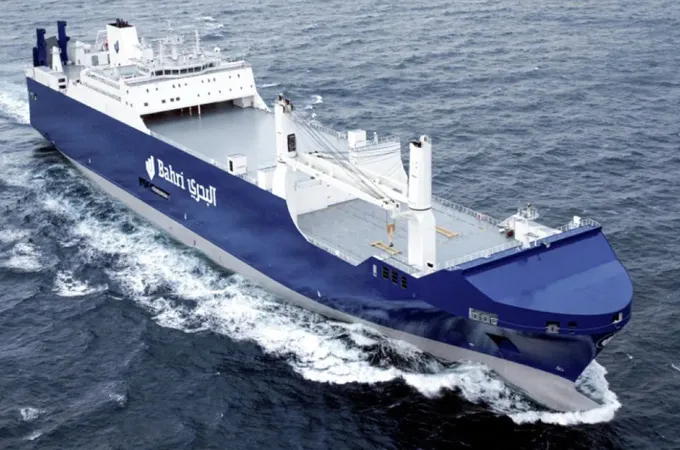
Saudi Arabia's National Shipping Company (Bahri) has reported a more than six-fold increase in Q2 net profit which hit SAR2.75 billion ($733 million), while its revenue soared to SAR6.3 billion ($1.6 billion), helped by higher freight rates and stronger demand for its crude oil shipping business.
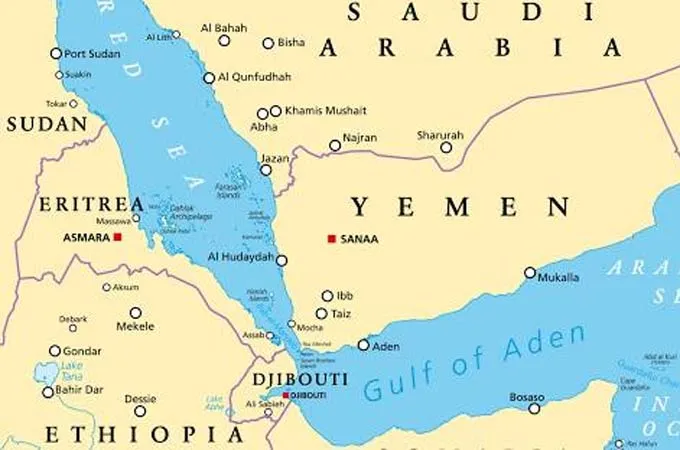
US President Donald Trump has threatened "major military punishment" against Iran and Yemen's Houthi movement after two Saudi oil tankers were attacked in the Red Sea, as fears of a widening threat to global shipping pushed oil prices above $100 a barrel for the first time since May.