The UAE’s decision to exit Opec and Opec+ marks a significant turning point in global oil markets, said a leading market analyst, highlighting shifting geopolitical dynamics and evolving supply expectations. The UAE is leaving the alliance effective May 1, ending nearly six decades of membership.

Opec lowered its forecast for world oil demand in the second quarter by 500,000 barrels per day, the producer group's monthly oil report showed in its first public assessment of the Iran war's impact on the market.

Opec oil output plunged in March to its lowest level since the height of the Covid-19 pandemic in June 2020, a Reuters survey found, as the US-Israeli war against Iran effectively closed the Strait of Hormuz and forced export cuts.

The Opec-GECF held its Sixth High-Level Dialogue in Vienna, reinforcing cooperation among top oil and gas exporters. They noted record consumption levels and the need for sustained investment in hydrocarbons. Opec projects a 23 per cent rise in global energy demand by 2050.
Global oil supply will match demand in 2026 in a reflection of the wider Opec+ group's production increases and higher supply from other producers, an Opec report showed today, marking a further shift from its earlier projections of a supply deficit.

Seventy energy experts convened at the IEA headquarters in Paris for the 7th Joint IEA-IEF-Opec Symposium, discussing global natural gas and coal market developments. Participants included representatives from the energy sector, international institutions, governments, and academia, focusing on future market evolutions.

The eight Opec+ countries—Saudi Arabia, Russia, Iraq, the UAE, Kuwait, Kazakhstan, Algeria, and Oman—will adjust production by 137,000 bpd in November due to a stable global economic outlook and low oil inventories.
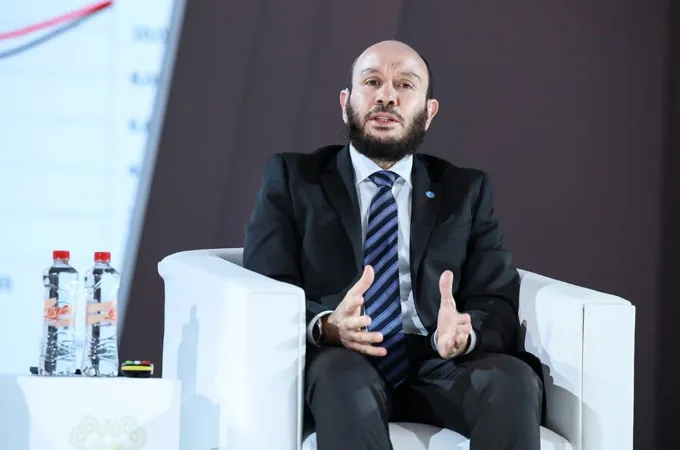
Africa will need at least $125 billion in investment in oil refining through 2050, including funding for new projects, existing facilities and maintenance, an OPEC official said at African Energy Week 2026 in Cape Town, South Africa, as the continent's oil demand is projected to outpace refining capacity, said a report.

Oil prices rose on Wednesday as fresh reports of attacks on commercial vessels in the Strait of Hormuz heightened concerns over energy supplies, while increased production by OPEC+ offered a counterpoint to the market's supply risks.

Ministers from OPEC and non-OPEC countries participating in the Declaration of Cooperation (DoC) have reaffirmed their commitment to maintaining a stable oil market and highlighted the need to safeguard international maritime routes for uninterrupted energy supplies.