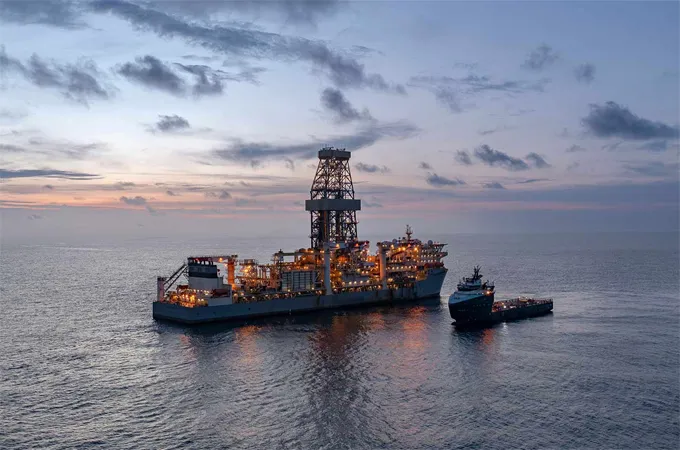
The value of the European Union’s petroleum oil imports surged 55.8 per cent in the second quarter of 2026, while volumes remained broadly stable, rising 1.2 per cent to a monthly average of 36.7 million tonnes, according to Eurostat.

The European Union recorded more than 2 million commercial flights between June and August 2026, reflecting continued growth in air traffic, according to Eurostat.
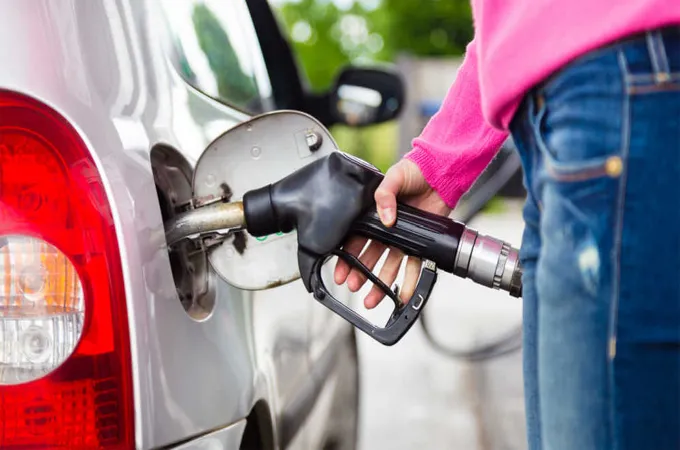
Fuel prices across the European Union rose sharply in July 2026, with the cost of fuels and lubricants for personal transport increasing 16.9 per cent year-on-year, according to Eurostat.
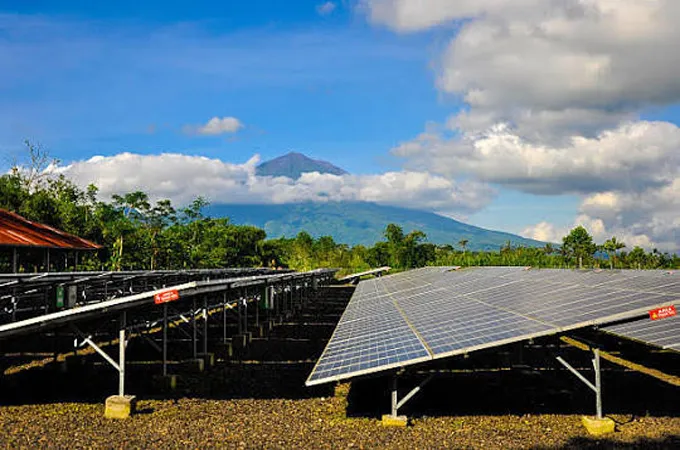
Indonesia is positioning renewable energy, digital technology, agriculture and electric vehicle (EV) downstreaming as key sectors for European Union investment ahead of the planned 2027 implementation of the Indonesia–EU Comprehensive Economic Partnership Agreement (IEU-CEPA).
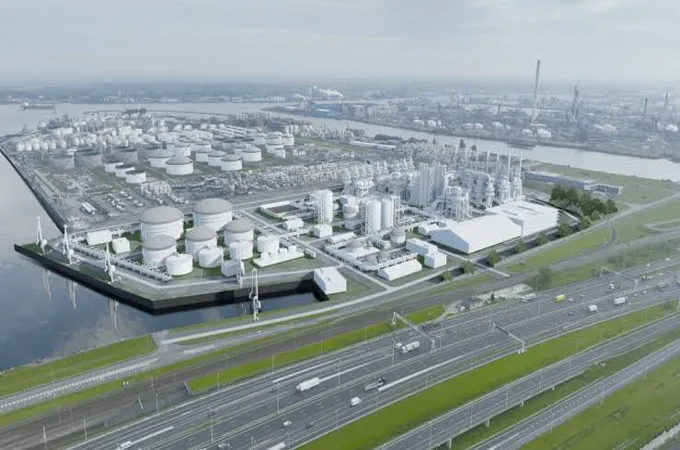
KBR has been awarded a project management consultancy (PMC) contract by Power2X for its eFuels project in Rotterdam, a major initiative aimed at accelerating Europe's transition to sustainable aviation fuel (SAF).
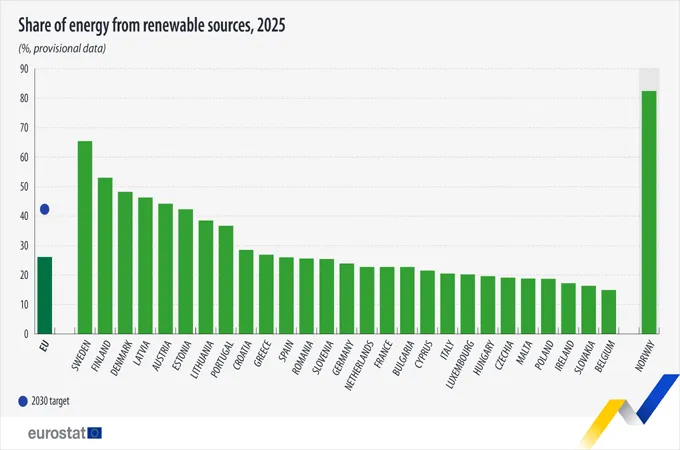
European Union (EU) renewable energy use rose to 26.2 per cent of gross final energy consumption in 2025, Eurostat data showed, continuing long-term growth but remaining below the bloc’s 2030 target of 42.5 per cent.
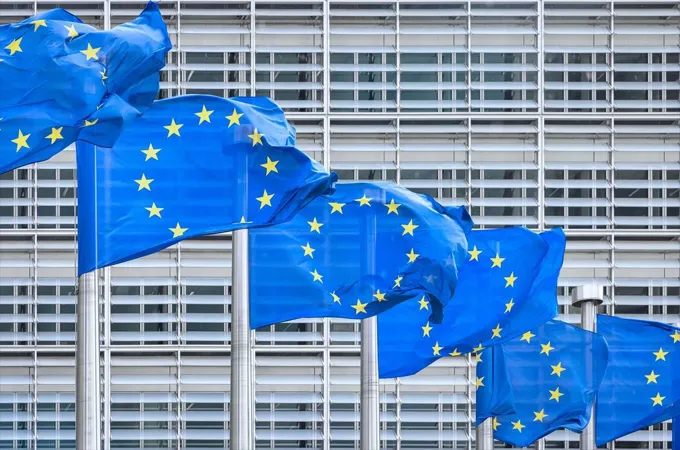
The International Air Transport Association (IATA) criticised the EU’s proposed extension of the EU ETS beyond Europe, urging support for CORSIA instead. It warned the move could harm decarbonisation and competitiveness, while calling for stronger sustainable aviation fuel incentives and collaboration with policymakers.
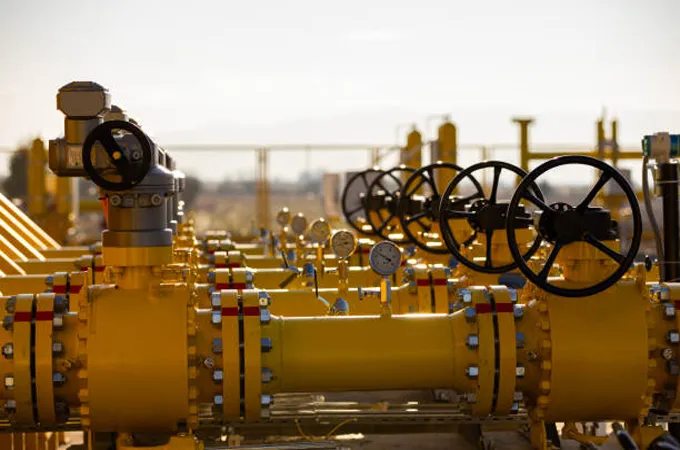
Russia’s natural gas exports to the European Union (EU) rose by around 18 per cent in the first half of the year, according to the Russian Energy Ministry.
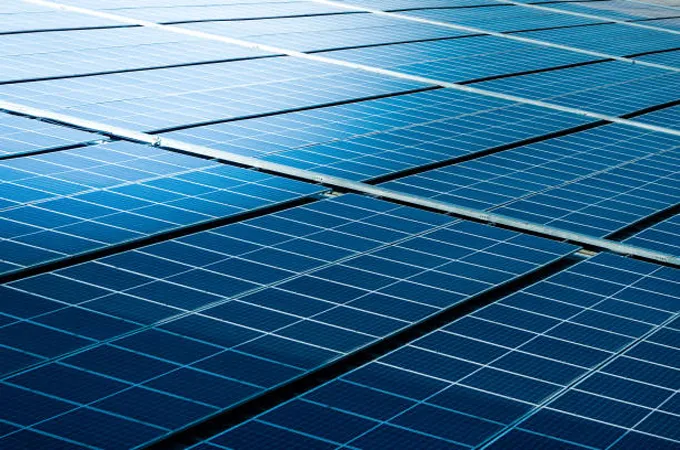
Solar power became the European Union’s largest source of electricity for the first time in June, generating a record 52 terawatt-hours (TWh) and supplying 25 per cent of the bloc’s monthly electricity, up from the previous record of 47 TWh (23 per cent) set in May 2026.
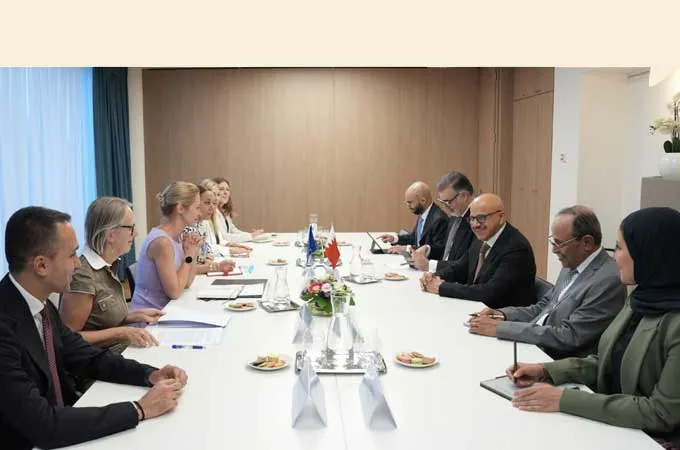
Bahrain and the European Union (EU) pledged closer co-operation on regional security and maritime stability while launching negotiations on a Strategic Partnership Agreement, following talks between senior officials at the GCC-EU Regional Security Cooperation Forum.