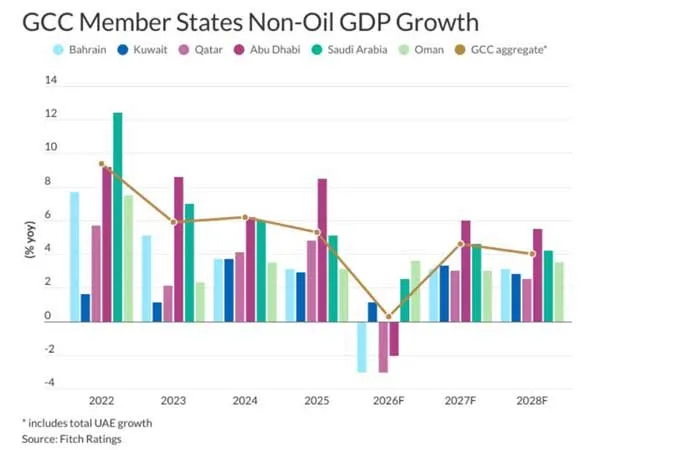
The durability of the US–Iran ceasefire and prospects for a permanent de-escalation are central to whether Gulf Cooperation Council (GCC) banking systems remain resilient to the impacts of the conflict, Fitch Ratings says.
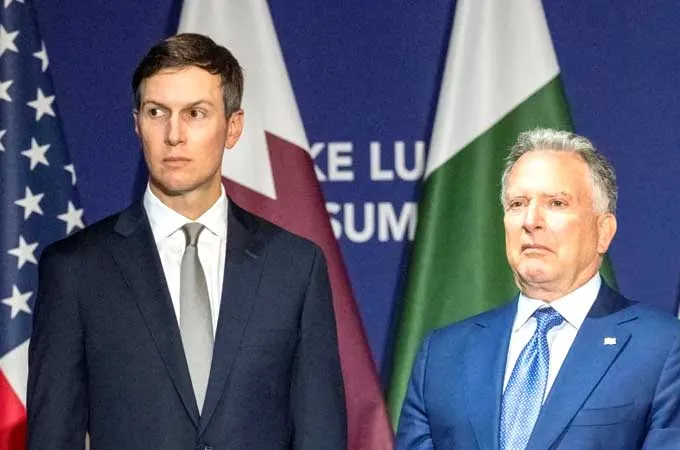
The US and Iran held indirect technical talks in Doha on Wednesday as they seek to agree on the flow of shipping through the Strait of Hormuz and secure a lasting ceasefire, a source with direct knowledge of the talks and an Iranian official said.
A ceasefire agreement between Israel and Lebanon has raised hopes of a broader diplomatic breakthrough that could help bring an end to the ongoing US-Israeli conflict with Iran, even as conflicting signals emerged over the state of negotiations between Washington and Tehran.

Brent oil looks set to move above $100 and potentially stay there for a while, said an industry expert citing reports that Iran has halted negotiations with the US and threatened to close the Strait of Hormuz. That scenario would change the game for investors.

US forces attacked Iranian military facilities after Iran launched “unprovoked” missile, drone and small boat attacks against American warships transiting the Strait of Hormuz, US Central Command (CENTCOM) said.

The two-week ceasefire announced by US with Iran will not restore container shipping operations through the Strait of Hormuz to pre-conflict conditions, with ocean supply chain disruption and elevated rates expected to continue, according to an industry expert.

US President Donald Trump said he had agreed to a two-week ceasefire with Iran on Tuesday on the condition that Iran agrees to reopen the critical Strait of Hormuz, while Iran’s supreme leader has instructed all military units to stop firing.

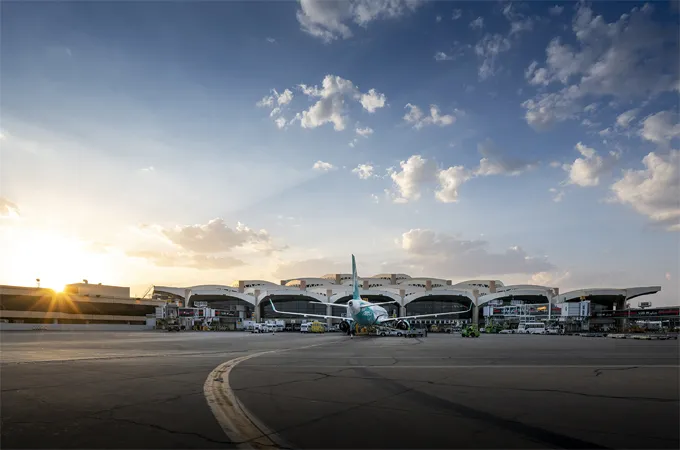
A temporary ceasefire in the Iran conflict has brought a visible sense of relief to the Gulf travel industry after weeks of disruption that affected flights, hotel bookings and regional travel confidence.

Time is rapidly running out for Donald Trump’s ultimatum to Iran, with the American president warning that Tehran faces devastating consequences if it fails to reopen the Strait of Hormuz before his deadline of 8:00 p.m. EDT Tuesday (00:00 GMT Wednesday).

Iran said on Monday it wanted a lasting end to the war with the US and Israel, and pushed back against pressure to swiftly reopen the Strait of Hormuz under a temporary ceasefire as US President Donald Trump warned the country could be "taken out" if it did not meet his Tuesday night deadline to reach a deal.