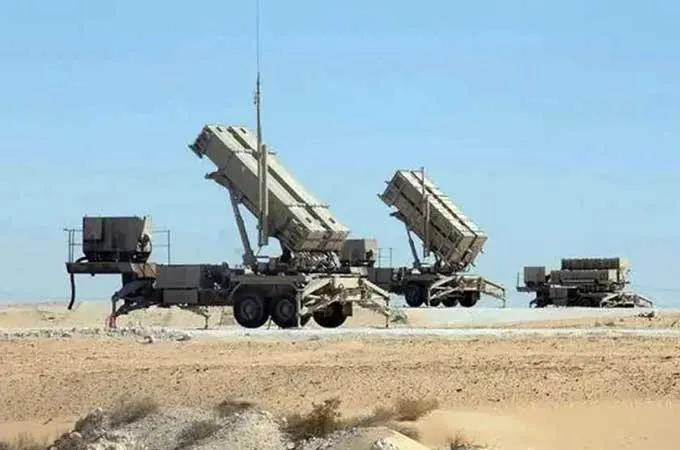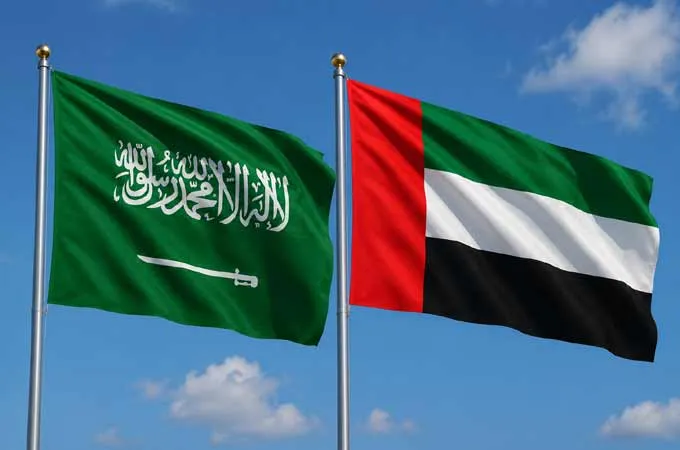
Warning signs of a regional escalation emerged on Sunday as US President Donald Trump intensified his rhetoric toward Iran, the United Arab Emirates reported a drone strike near its Barakah Nuclear Power Plant, and Saudi Arabia said it had intercepted three drones that entered its airspace from Iraq.
The developments have heightened concerns that the fragile ceasefire that has largely held since April between Iran on the one side and the US and Israel on the other could come under renewed strain.
In a strongly worded post on Truth Social, Trump warned that Iran must act “fast” to break the diplomatic deadlock, saying: “For Iran, the clock is ticking, and they better get moving, FAST, or there won’t be anything left of them. TIME IS OF THE ESSENCE!”
According to Axios, Trump is expected to meet senior national security advisers on Tuesday to discuss options for possible military action involving Iran.
Nuclear plant attack
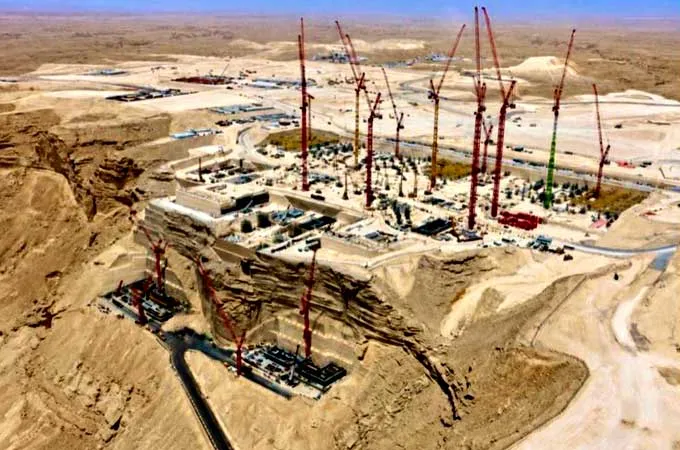
The UAE said a drone strike caused a fire in an electrical generator located outside the inner perimeter of the Barakah nuclear plant, the Arab world’s first commercial nuclear power station. Emirati authorities said the incident did not affect the safety of the facility and that there was no release of radioactive material, no injuries and no threat to the public or the environment.
The UAE Ministry of Defence said two additional drones launched from the country’s western border were successfully intercepted. Officials said they were investigating the source of the attack, while a diplomatic adviser to the UAE president described the incident as a dangerous escalation, whether carried out directly by the “principal perpetrator” or by one of its proxies. The UAE said it reserves the right to respond to what it called a terrorist attack.
The UAE’s Federal Authority for Nuclear Regulation (FANR) said the fire was confined to an electrical generator outside the protected area of the plant and emphasised that all essential systems remained fully operational. The regulator said radiological safety levels were normal and that the Barakah plant continued to operate in line with the highest international standards of nuclear safety and security. FANR said it was coordinating with the operator and relevant authorities while urging the public to rely only on official information.
The International Atomic Energy Agency said emergency diesel generators were supplying power to Barakah’s Unit 3 and called for “maximum military restraint” around all nuclear facilities, stressing that it was closely monitoring the situation.
Drone attack on Saudi Arabia
In Saudi Arabia, Ministry of Defence spokesman Major General Turki Al-Malki said three drones were intercepted and destroyed on Sunday morning after entering Saudi airspace from Iraq. In a statement carried by the Saudi Press Agency, Al-Malki said the Kingdom reserves the right to respond at the appropriate time and place and would take all necessary operational measures to safeguard its sovereignty, security and the safety of its citizens and residents.
Ship with Iraqi crude crosses Gulf of Oman
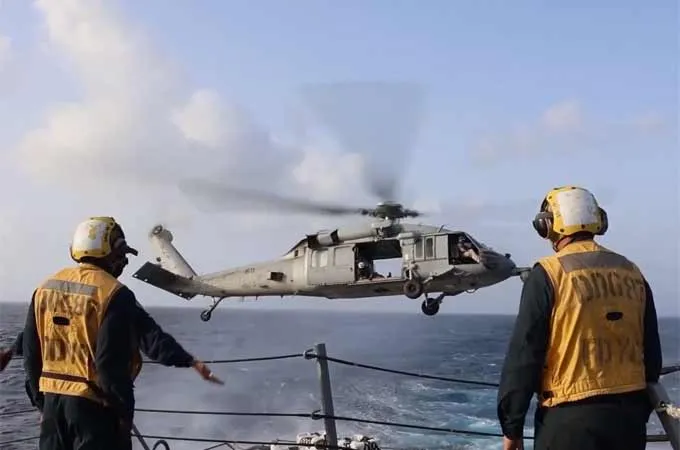
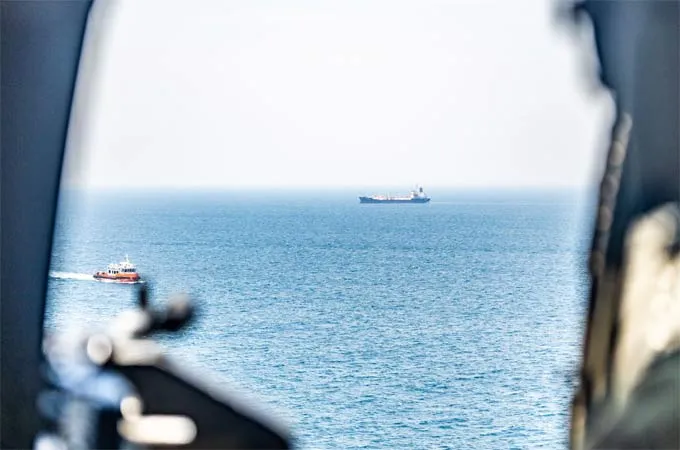
Separately, shipping data showed that the Maltese-flagged very large crude carrier Agios Fanourios I resumed its voyage to Vietnam after being held for five days by the US Navy in the Gulf of Oman. The vessel, carrying Iraqi crude oil, is expected to arrive at Vietnam’s Nghi Son refinery on May 30. The episode underscores continuing tensions in the Gulf and the strategic sensitivity of energy flows through the Strait of Hormuz, a critical artery for global oil supplies.