Closing the Strait of Hormuz outright would ignite a sharp and immediate surge in oil prices beyond previous spikes, and investors must brace for intensified volatility.
This is the
warning from Nigel Green, CEO of global financial advisory deVere Group, as the
risk of a blockade of the world’s most critical energy flashpoint moves from
theory to plausible reality.
Around 17 to 20
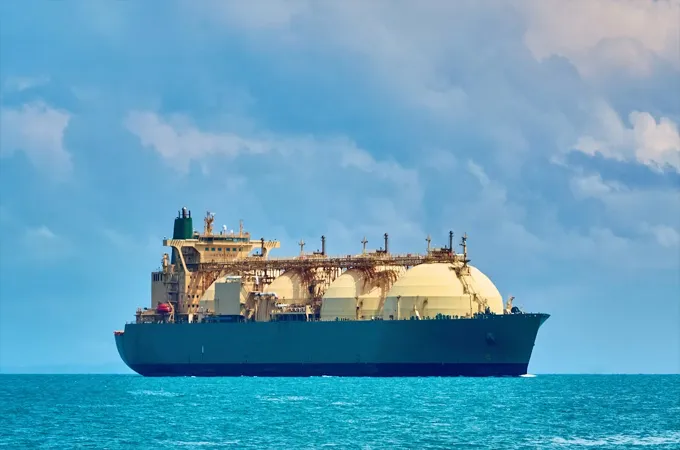
million barrels of oil pass through the Strait each day, alongside a
significant share of global LNG flows.
A sustained
disruption would remove a volume of supply that cannot be quickly replaced,
forcing an aggressive repricing across commodities, currencies, equities, and
fixed income markets.
Green says: “Take
that flow out of the system and Brent doesn’t move five or ten dollars, it
moves structurally higher.
“A spike toward
$120 or beyond becomes realistic very quickly, and that resets inflation
expectations globally.”
Energy equities
stand to be immediate beneficiaries. Integrated oil majors, US shale producers,
and Middle Eastern exporters would see margin expansion and stronger cash
generation. At the same time, energy-import-dependent sectors face a direct
hit.
Green says:
“Energy producers gain pricing power overnight.
“Airlines,
shipping firms, chemicals, and heavy manufacturing lose it just as fast.
Investors should be rotating capital accordingly rather than waiting for
earnings revisions to catch up.”
Currency markets
are likely to see sharp divergence. Oil exporters such as Norway and Canada
could see support for their currencies, while large importers across Europe and
Asia face downward pressure as trade balances deteriorate.
Green says:
“Expect the Norwegian krone and Canadian dollar to strengthen on the back of
higher crude.
“The euro, Indian
rupee, and Japanese yen would come under pressure as import costs surge. Dollar
strength remains supported in the short term through risk aversion, but
inflation complicates the medium-term path.”
A sustained oil
spike feeds directly into transport, food, and industrial input costs,
increasing the risk that central banks delay or reverse expected rate cuts.
“Markets have
been positioned for easing cycles. A sustained move in oil forces central banks
to pause or even tighten again.
“This reprices
rate expectations and hits rate-sensitive assets, particularly high-growth
equities,” explains the deVere CEO.
Tech stocks and
other long-duration assets are especially exposed to that shift. Higher
discount rates reduce the present value of future earnings, increasing
volatility in sectors that have led recent market gains.
“High-valuation
tech becomes more fragile in an environment where rates stay higher for longer.
There is a direct link between energy prices, inflation, and equity multiples
that investors cannot ignore,” notes Green.
Fixed income
investors face a split dynamic. Inflation risk pushes yields higher, while
geopolitical stress drives demand for safe government debt, creating volatility
across the curve.
He comments:
“Long-duration bonds are vulnerable if inflation expectations reprice sharply.
Shorter-duration and inflation-linked instruments offer more resilience in this
type of environment.”
Commodities
beyond oil are also likely to move. LNG prices could spike alongside crude,
while gold typically strengthens as geopolitical risk intensifies and real
yields become less predictable.
Green says: “Gold
has a clear role here. It performs as a hedge against both geopolitical
escalation and policy uncertainty. Energy-linked commodities will also move in
tandem as supply concerns spread.”
Emerging markets
will not move uniformly. Oil exporters in Latin America and the Middle East
stand to benefit from improved fiscal inflows, while import-heavy economies in
Asia face currency depreciation and capital outflows.
“Brazil and Gulf
economies gain from higher export revenues. India and other major importers
face immediate pressure on both currency and inflation.
“Capital flows
will follow that divergence.”
Strategic
allocation becomes critical as cross-asset correlations shift under stress.
Concentrated exposure to any single region or sector increases vulnerability to
rapid market repricing.
Green concludes:
“This is a moment for active positioning. Energy exposure, selective
commodities, and defensive assets should be balanced against reduced exposure
to fuel-sensitive sectors and rate-sensitive equities.
“Escalation
around the Strait of Hormuz has the capacity to alter global market direction
within days, not months.
“Energy flows
through this corridor underpin pricing across the entire financial system.
“Disruption here feeds into everything. Inflation, currencies, equity valuations, and policy decisions all adjust in response.” -OGN/TradeArabia News Service