The United States and Iran have signed a preliminary agreement aimed at ending months of conflict and paving the way for the reopening of the Strait of Hormuz, sanctions relief for Tehran and a new round of negotiations on Iran's nuclear programme.
President Donald Trump said the agreement had already been signed by both sides and would be formally unveiled at a ceremony in Geneva later this week, although the full text has yet to be released and officials on both sides acknowledged that a permanent peace settlement remains to be negotiated.
According to a senior US official, Trump and Vice President JD Vance signed the memorandum on behalf of Washington, while Iranian Parliament Speaker Mohammad Bagher Ghalibaf signed for Tehran. The agreement reportedly commits both sides to ending the US blockade of Iranian ports, reopening the Strait of Hormuz and commencing 60 days of negotiations aimed at resolving outstanding issues, including the future of Iran's nuclear programme.
"The deal's all signed," Trump told reporters after arriving in France for the G7 summit, adding that Vance would attend a formal signing ceremony in Geneva on Friday.
The framework extends by another 60 days a fragile ceasefire first announced in April and marks the most significant diplomatic breakthrough since the conflict erupted earlier this year following US and Israeli strikes on Iran. The war has reportedly claimed more than 7,000 lives, primarily in Iran and Lebanon, while triggering major disruptions to global oil supplies and shipping.
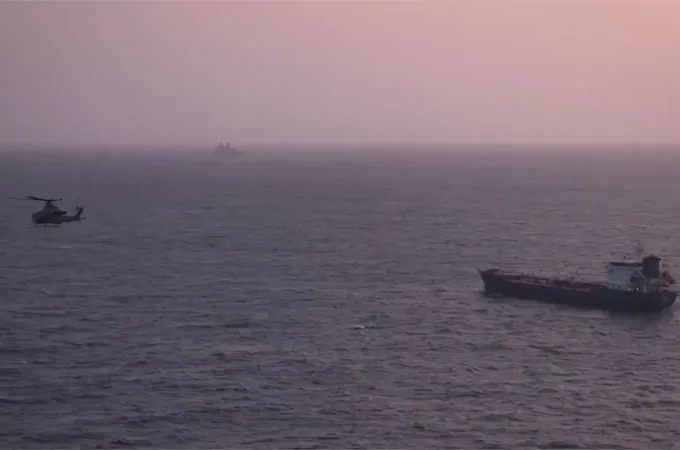
Trump declared that shipping had begun moving through the Strait of Hormuz again. "Ships are starting to move, many loaded up with Oil, out of the Strait of Hormuz," he wrote on Truth Social. "They are going along the Southern Highway, which is totally safe, secure, and pristine."
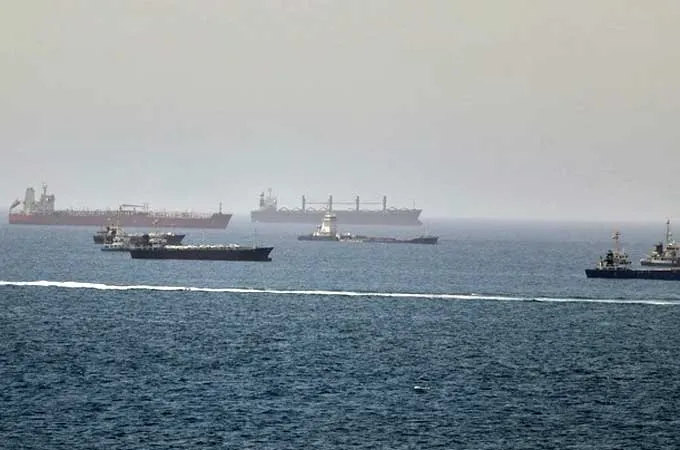
However, uncertainty remains over how quickly maritime traffic will return to normal. Industry executives warn that shipowners remain wary after months of attacks involving missiles, drones and suspected sea mines.
Ship-tracking firm Kpler reported little meaningful movement among the hundreds of vessels stranded in Gulf waters, while shipping executives cautioned that confidence would take time to rebuild.
"After so many false starts, the shipping industry is going to be cautious," Tim Huxley, chairman of Hong Kong-based Mandarin Shipping, told CNN. He noted that even if the security situation stabilises, damaged infrastructure across the region could delay a full recovery in trade flows.
Sanctions relief package
Meanwhile, questions remain over the economic incentives being offered to Iran.
Vice President Vance described the signed memorandum as a brief, one-and-a-half-page document that establishes broad principles rather than detailed commitments. He said the framework includes a "very significant sanctions relief package" that could eventually allow Iran to reconnect with the global economy.
US and Iranian officials have indicated that sanctions relief could unlock substantial economic benefits for Tehran, including access to previously frozen assets and foreign investment opportunities.
The issue gained particular attention after Vance suggested that Iran could eventually benefit from a proposed $300 billion reconstruction fund financed by Gulf Arab states, provided Tehran complies with the agreement and fulfils future commitments.
"If the Iranians behave, and if there are sanctions relief, and if the Iranians are integrated into the world economy, we would invite other countries, not us, but other countries to invest in their country," Vance said.
He stressed that no American taxpayer money would be used, while arguing that economic reintegration could bring significant prosperity to Iran through private and foreign investment.
"What we have said is there's a lot of economic benefit in leaving a lot of sanctions and welcoming them back into the world economy," Vance said. "Not American money, but there's a lot of economic prosperity that can flow from that."
Trump, however, sought to distance himself from reports suggesting Washington would help finance such a programme.
"Iran has agreed to never have a Nuclear Weapon! Also, the story that the US is paying Iran $300 billion is Fake News," Trump wrote on Truth Social.
Iranian President Masoud Pezeshkian welcomed the memorandum as an important diplomatic achievement but cautioned that a final peace settlement remains some distance away.
Israeli Prime Minister Benjamin Netanyahu, commenting publicly for the first time on the accord, acknowledged differences with Trump, saying the two leaders "do not always see eye to eye."
Meanwhile, hostilities between Israel and the Iran-backed Hezbollah movement continued in southern Lebanon, underscoring the challenges that remain despite the breakthrough between Washington and Tehran.