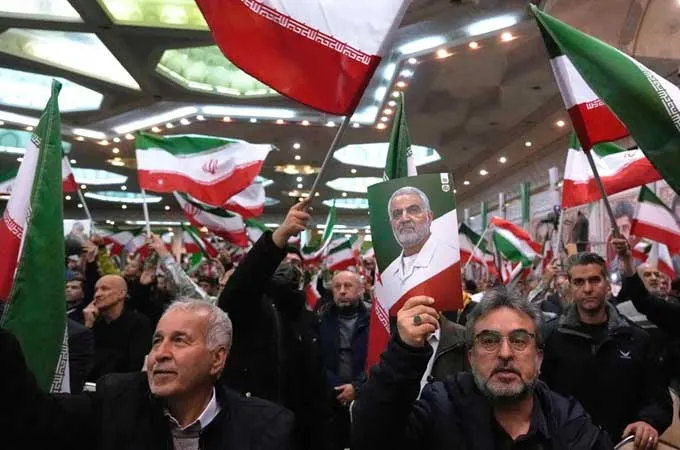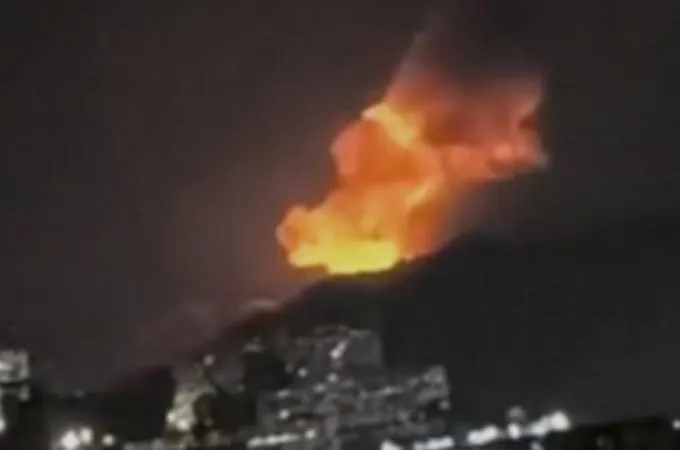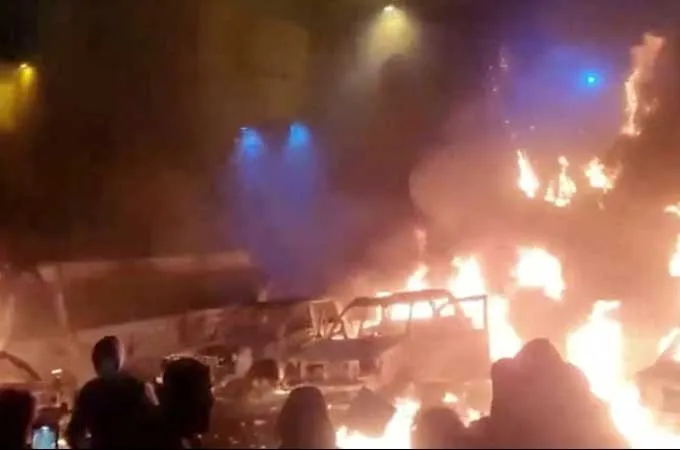
At least 65 people have been killed and more than 2,300 arrested during two weeks of anti-government protests that have rocked Iran, said media reports citing a US-based human rights group.
The demonstrations have spread to at least 100 cities across all of Iran’s 31 provinces, in a wave of nationwide unrest over crippling economic conditions.
Protesters have described enormous crowds and feelings of hope, but also brutal violence and “bodies piled up on each other” in a hospital, reported CNN.
An internet blackout across the country imposed by the authorities is also ongoing, according to a watchdog. One Tehran resident told CNN the blackout has failed to quell the protests.
US President Donald Trump has threatened to attack Iran if security forces respond with force, and US Secretary of State Marco Rubio said the US supports the country’s people.
Iran intensified its crackdown, arresting scores of people and stepping up its warnings to protesters, as the Islamic republic battled to contain the most serious threat to the regime in years, reported the Financial Times.
Russia, China BRICS Plus naval ops
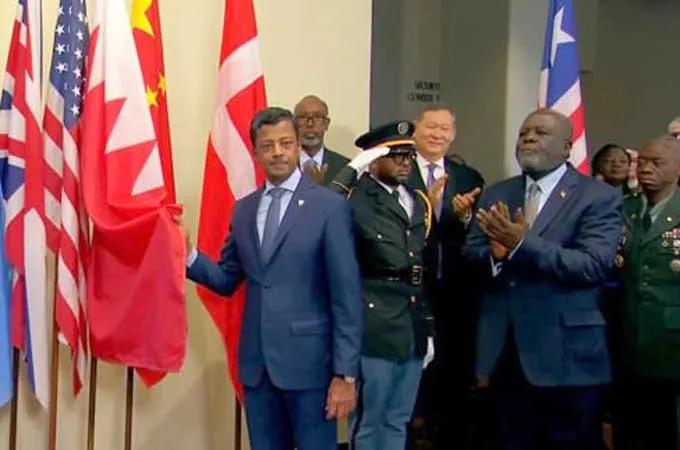
Meanwhile, China, Russia and Iran began a week of joint naval exercises in South Africa's waters on Saturday in what the host country described as a BRICS Plus operation to "ensure the safety of shipping and maritime economic activities".
BRICS Plus is an expansion of a geopolitical bloc originally comprising Brazil, Russia, India, China and South Africa - and seen by members as a counterweight to US and Western economic dominance - to include six other countries.
Though South Africa routinely carries out naval exercises with China and Russia, it comes at a time of heightened tensions between US President Donald Trump's administration and several BRICS Plus countries, including China, Iran, South Africa and Brazil.
The expanded BRICS group also includes Egypt, Indonesia, Saudi Arabia, Ethiopia and the UAE.
After nationwide unrest escalated this week, the army said on Saturday that it would deploy troops to protect “strategic” infrastructure, and the authorities warned that the courts would deal with those detained “quickly and without leniency”.
The unrest comes at a time when the Islamic republic is at its most vulnerable in years as it faces intensifying internal and domestic pressures and an increasingly desperate and angry population.
Tasnim, a news agency affiliated to the Revolutionary Guards, on Saturday cited security sources saying nearly 200 “terrorist leaders” were arrested, adding that grenades, Molotov cocktails and other weapons had been seized from their homes.
State affiliated media said more than a dozen security personnel had been killed since the protests escalated on Thursday, the start of the Iranian weekend.
It accused “armed groups” of attacking “public and private property in several provinces, causing extensive damage”, including at mosques.
The Human Rights Activists News Agency, a foreign-based group, said on Friday that the death toll had reached 65, including 14 members of the security forces. It said more than 2,000 people had been arrested since the start of the protests. Scores of people have been wounded and arrested, rights group said.
An Iranian doctor and a medic told the BBC that hospitals in Tehran and Shiraz were overwhelmed with people suffering gunshot wounds. The doctor said a hospital in Tehran had gone into crisis mode, with non-urgent admissions and surgeries suspended to treat the wounded.
Diplomats fear that the regime, which has a history of crushing protests, could use the blackout to harden its crackdown.
In its statement, the army accused Israel and “hostile terrorist groups” of seeking to “undermine the country’s public security”.
Mohammad Movahedi-Azad, the prosecutor-general, on Saturday warned that “all criminals are enemies in this matter.”
“They should not say they were tricked because they were given the necessary warnings about the enemy’s goals.” He also warned Iranians to be careful about social media postings.
The protests, which began in late December, escalated markedly this week.
In a speech on Thursday, Iran’s Supreme Leader Ayatollah Ali Khamenei accused protesters of acting on behalf of US President Donald Trump and vowed his government would not back down.
The regime has accused foreign forces and “terrorists” of stoking the protests and has long feared that the US or Israel would seek to exploit domestic unrest.
Trump warning to Khamenei
The US president warned Iran’s leaders that “you better not start shooting because we’ll start shooting too”.
“Iran’s in big trouble,” Trump said on Friday. “It looks to me that the people are taking over certain cities that nobody thought were really possible just a few weeks ago.”
The 13-day demonstrations were triggered by economic grievances after shopkeepers in Tehran shuttered their stores to protest soaring prices.
That morphed into nationwide anti-regime demonstrations that have spread to smaller cities and towns across the provinces.
President Masoud Pezeshkian, who came to power 18 months ago vowing to reform the economy, initially sought to placate the demonstrators. He met business leaders to discuss their concerns and appointed a new central bank governor to try to restore “economic stability”.
But as the protests intensified, with huge crowds taking to the streets of Tehran and other cities on Thursday, the start of the Iranian weekend, virtually all lines of communication were cut and the authorities stepped up their warnings to the protesters.