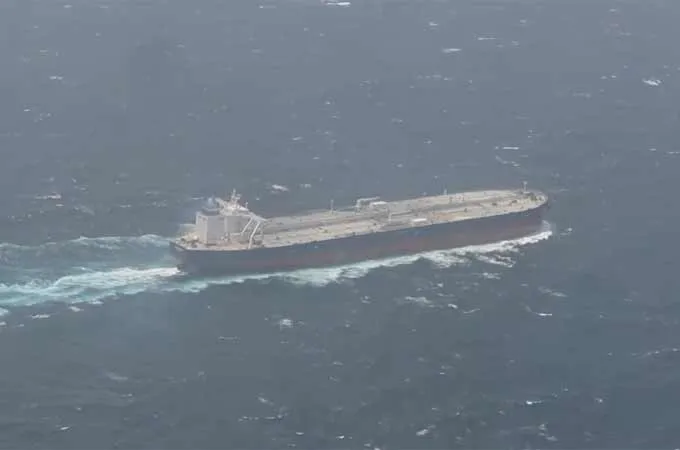
The US military escorted 40 commercial vessels carrying about 18 million barrels of oil through the Strait of Hormuz on Tuesday, a wartime record, as Washington and Tehran traded their heaviest blows in weeks, CNN reported, citing two US officials familiar with the operation.

US President Donald Trump has proposed a $10 billion fund to rebuild war-damaged energy infrastructure and develop oil and gas export routes that bypass the Strait of Hormuz, with $5 billion in US funding and a matching $5 billion contribution from Gulf and other regional partners.

US President Donald Trump threatened to “annihilate” Iran if Tehran fails to reach a deal with Washington, while at the same time signalling that a diplomatic settlement could be within reach after US and Iranian representatives held lengthy talks on the sidelines of the United Nations General Assembly.

Oil prices fell more than 2% on Monday to their lowest levels in more than a week as hopes for renewed US-Iran diplomacy reduced some of the geopolitical risk premium, while President Donald Trump signalled he could meet Iranian President Masoud Pezeshkian but warned Tehran that much bigger action could follow if it did not change course.

The United States carried out a fresh wave of strikes against Iranian military targets on Tuesday, while Iran retaliated with missile attacks targeting US-linked positions and activating air defences across several Gulf states.

Oil prices surged above $100 a barrel on Thursday as the escalating US-Iran conflict intensified fears of a prolonged disruption to crude supplies, with attacks on tankers and a sharp decline in shipping through the Strait of Hormuz adding to market anxiety.

Oil prices rose on Tuesday as renewed military tensions between the United States and Iran revived concerns that the conflict could continue to disrupt crude supplies from the Middle East.

The United States and Iran have entered a new phase of their confrontation after US forces struck Iranian rocket launchers near the Strait of Hormuz and Tehran retaliated with missile and drone attacks against US military bases in Jordan, marking the first direct escalation between the two sides in more than a month.

Diplomatic efforts to defuse the Gulf crisis are expected to gain fresh momentum on Monday as the United States and Iran prepare to resume negotiations, following US President Donald Trump's decision to suspend a planned military strike against Iran.
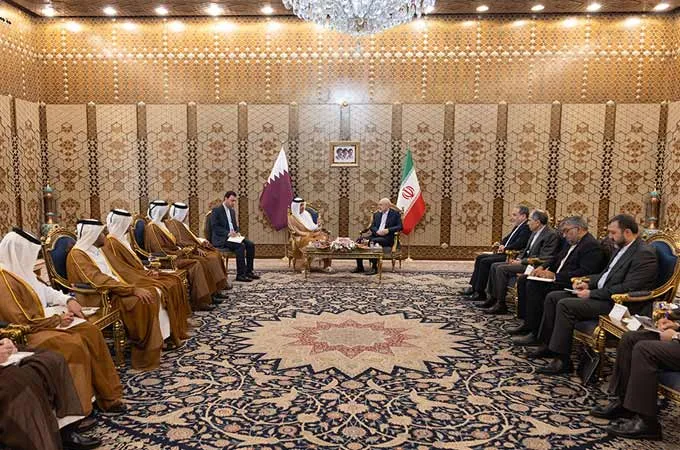
Qatar stepped up regional mediation efforts on Thursday, with Prime Minister and Foreign Minister Sheikh Mohammed bin Abdulrahman Al Thani pressing Iran to restore freedom of navigation through the Strait of Hormuz, even as Tehran insisted that reopening the strategic waterway would depend on conditions being met by the United States.