The Strait of Hormuz is "under Iran's control and management", the recently appointed head of Iran's Basij paramilitary unit said on Thursday, a day after US President Donald Trump said the United States had "total control" of the strategic waterway.

Oil prices extended their rally on Tuesday after surging about 5% in the previous session, as fresh demands by US President Donald Trump and Iran's insistence on major concessions from Washington cast renewed doubt over efforts to reopen the strategically vital Strait of Hormuz.

US President Donald Trump has signalled that Washington is putting greater emphasis on economic pressure on Iran, saying the United States is only “semi-negotiating” with Tehran as Iran grapples with severe inflation and financial strain.
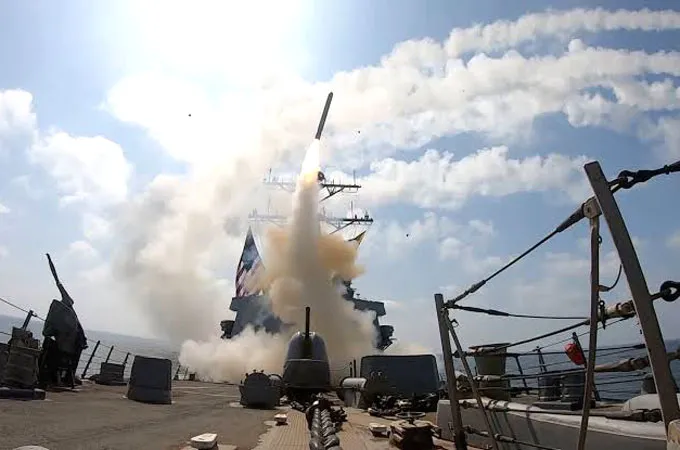
The US and Israel are planning 'one of the harshest bombing campaigns to date' against energy infrastructure targets in Iran, multiple sources told CBS News, with strikes possible throughout the weekend in a move that would mark a further escalation of regional tensions.
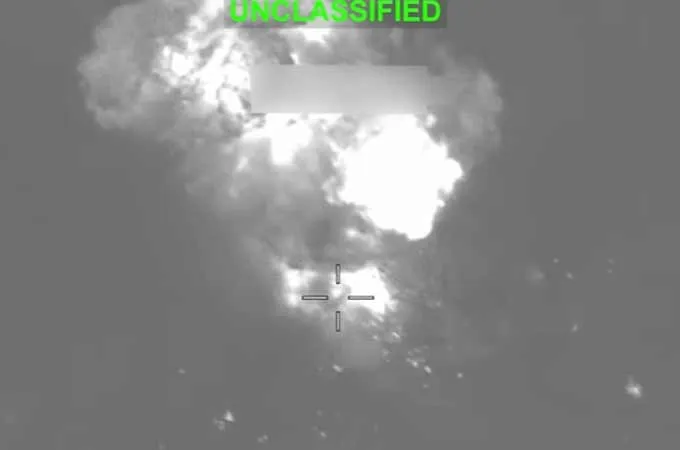
The United States launched a second consecutive day of major military strikes against Iran on Tuesday, targeting about 90 military sites along its coastline, as Tehran retaliated by firing missiles and drones at US military facilities in Bahrain and Kuwait, sharply escalating tensions across the Gulf.
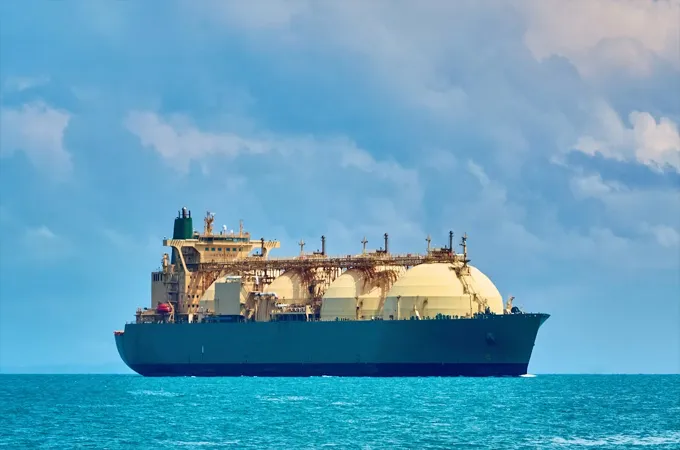
The International Energy Agency (IEA) forecasts global natural gas demand will fall 0.5 per cent in 2026 as Middle East conflict-driven supply disruptions, higher prices and reduced LNG flows through the Strait of Hormuz weigh on consumption.
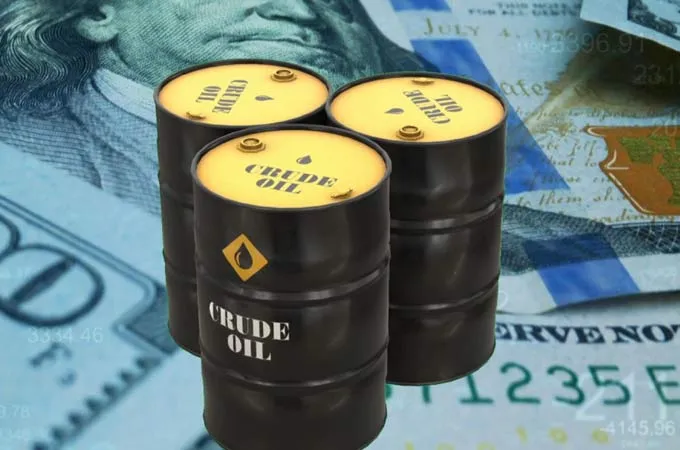
Oil prices climbed nearly 2% on Wednesday as renewed US airstrikes on Iran and fresh sanctions on Tehran's oil exports reignited concerns over supplies from the Middle East after attacks on commercial vessels in the Strait of Hormuz.

The United States launched a fresh wave of military strikes across Iran overnight, targeting more than 80 sites after Tehran resumed attacks on commercial shipping in the Strait of Hormuz, further destabilising a fragile ceasefire agreed less than three weeks ago.
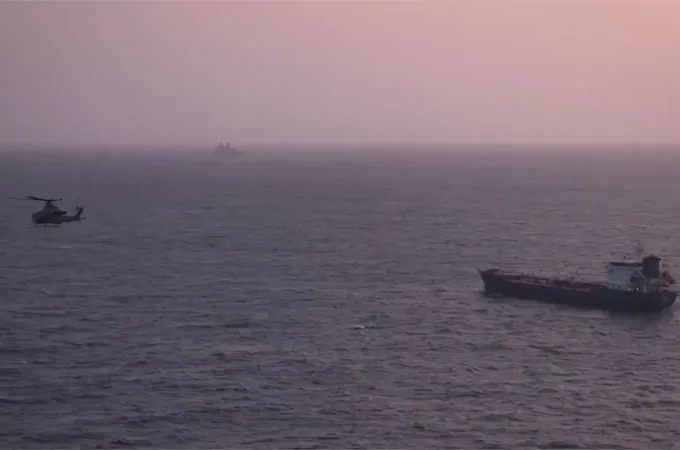
Attacks on commercial shipping resumed in the Strait of Hormuz, with two vessels struck in separate incidents that have heightened fears over the security of the shipping lane and threatened to derail recent diplomatic efforts to reduce tensions.
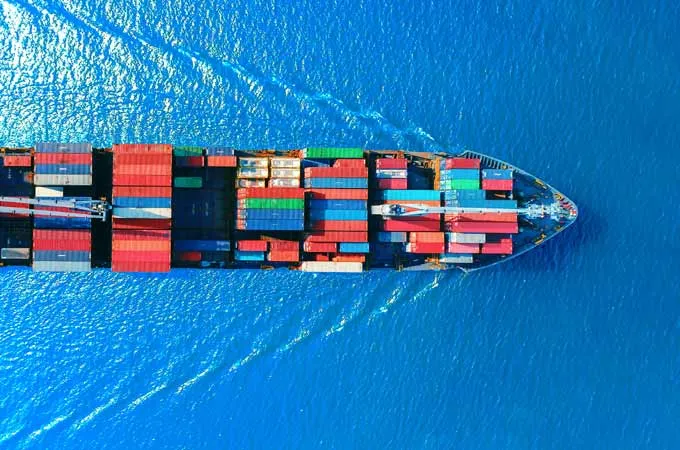
Shipping between Iran’s Dayyer port and Qatar’s Al Ruwais port has resumed following coordination between the Iranian embassy in Doha and Qatari authorities, a Reuters report said quoting Iran’s commercial attaché in Doha.