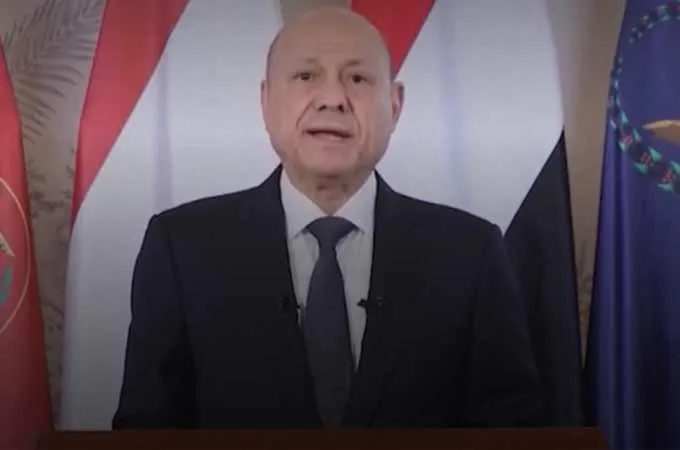
The United States has threatened to impose damaging secondary sanctions on countries, financial institutions and companies that continue to provide economic lifelines to Iran, opening a potentially far-reaching new front in Washington’s campaign to isolate Tehran as the war approaches its six-month mark.

The United States is set to unleash what Treasury Secretary Scott Bessent has described as an “economic D-Day” against Iran, threatening to sever the country’s remaining financial and commercial lifelines.

As the world awaits details of a potentially punishing new round of US sanctions against Iran, Tehran has warned that it could shut the Strait of Hormuz and halt all oil shipments through the Arabian Gulf if neighbouring countries join President Donald Trump’s economic campaign against it.

Iran and China have pushed back against US President Donald Trump’s threat to impose what Washington says will be the “toughest sanctions in history” on Tehran, warning that unilateral economic pressure could further destabilise the region and damage global trade.

The UAE has rejected what it described as false information and “desperate media campaigns” targeting the country, including claims that it was cancelling labour residencies and providing financial facilities to Iran.

The UAE has said that all trade, commercial exchanges, and financial transactions with Iran have been halted until further notice in light of regional escalations that undermine regional and international peace and security.
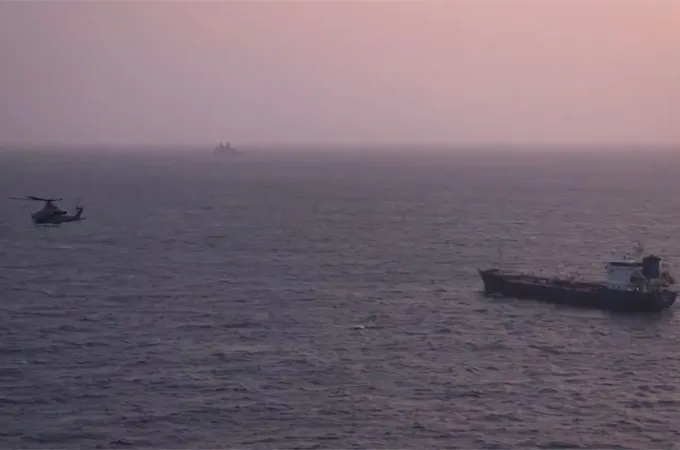
Uncertainty over the future of the Strait of Hormuz deepened on Saturday as the United States and Iran traded conflicting claims over control of the strategic waterway, while commercial shipping remained severely disrupted and fresh attacks added to mounting concerns over the security of Gulf trade.
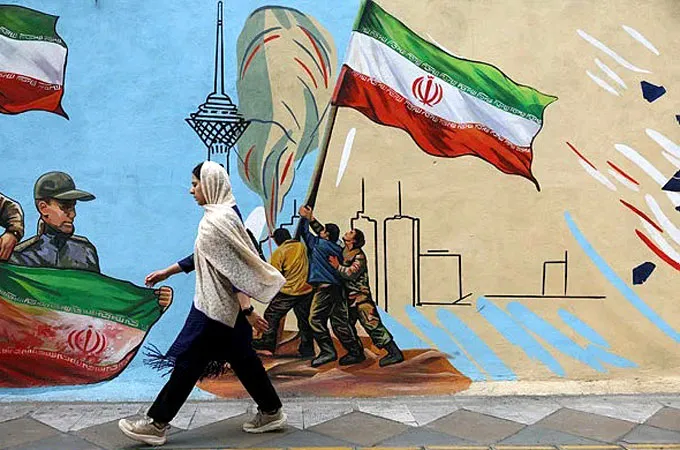
Iran called on the US to accept defeat while President Donald Trump blasted Tehran as 'very evil' and told Americans to brace for continued high fuel prices as progress toward peace talks and oil tanker traffic through the strategic Strait of Hormuz gateway remained halted, said a report.
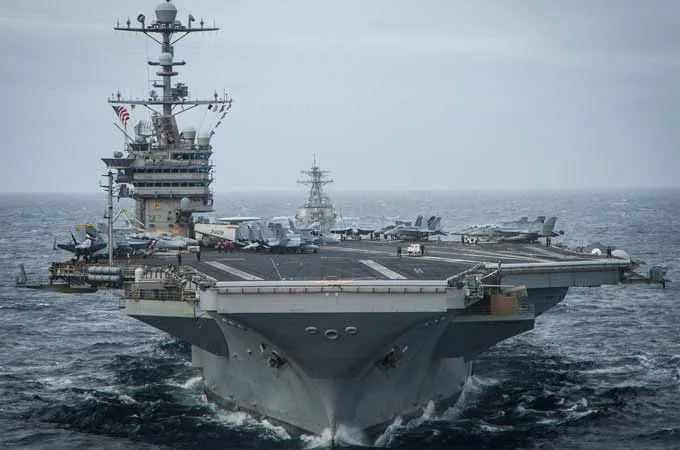
Two ADNOC vessels were attacked while transiting the Strait of Hormuz on Thursday, adding to growing tensions in the strategic waterway as the United States prepares tougher economic measures against Iran.

The Middle East conflict is widening into an increasingly complex security, shipping and environmental crisis, with an oil slick from a grounded tanker reaching Oman's coastline just as Iran signals that it may be prepared to sustain its confrontation with the United States for years.