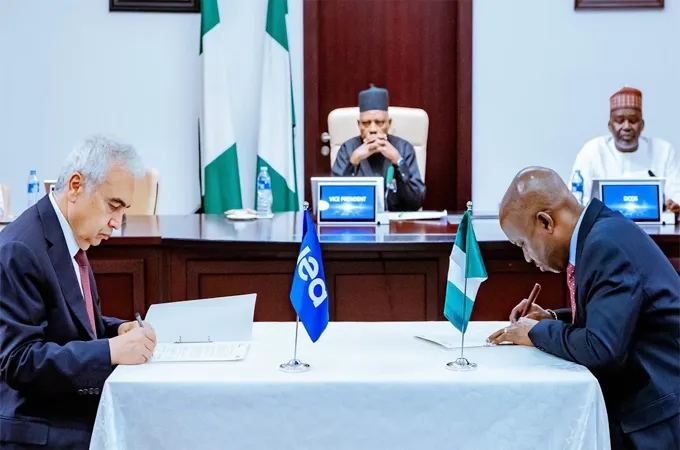
Nigeria has formally begun a new phase of cooperation with the International Energy Agency (IEA), following its admission as an Association country and the signing of the first IEA-Nigeria Joint Work Programme.

Türkiye is entering a pivotal phase in the development of its energy sector, with strong economic and population growth driving rising electricity demand and increasing the need for investment in infrastructure, flexibility and energy efficiency, according to a new review by the International Energy Agency (IEA).
Faster electrification of the global economy could strengthen energy security, improve competitiveness and reduce emissions, with cost-effective technologies potentially bringing a proposed global target of 35 per cent electrification within reach by 2035, according to a new International Energy Agency (IEA) report.
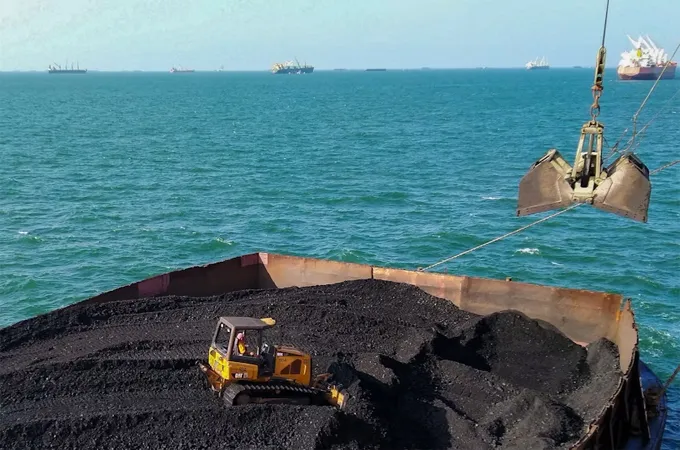
Global coal demand is now forecast to rise 1.2 per cent in 2026 to a record 8.94 billion tonnes, as disruptions from the Middle East conflict push up natural gas prices and encourage greater coal-fired power generation, according to the International Energy Agency’s (IEA) Coal Mid-Year Update 2026.
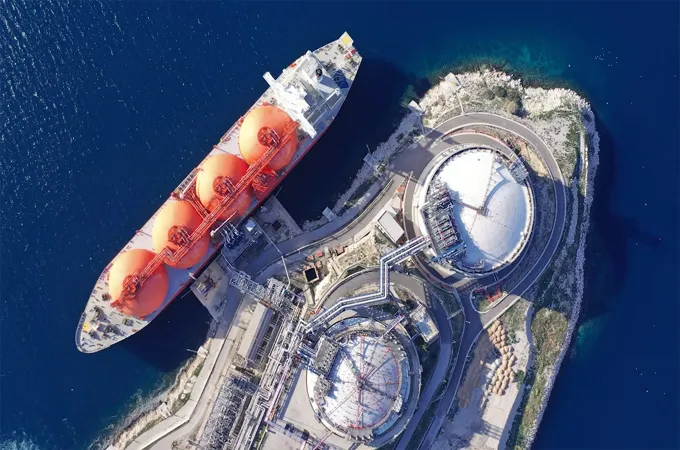
Governments should take practical steps to strengthen natural gas supply security as global markets become increasingly interconnected, volatile and vulnerable to geopolitical disruptions, according to a new report from the International Energy Agency (IEA).

Renewed Gulf export disruptions have derailed the global oil market recovery, prompting the International Energy Agency (IEA) to cut its 2026 supply and demand forecasts. Global oil demand is now expected to decline by 1.6 million barrels per day as the Strait of Hormuz remains closed.
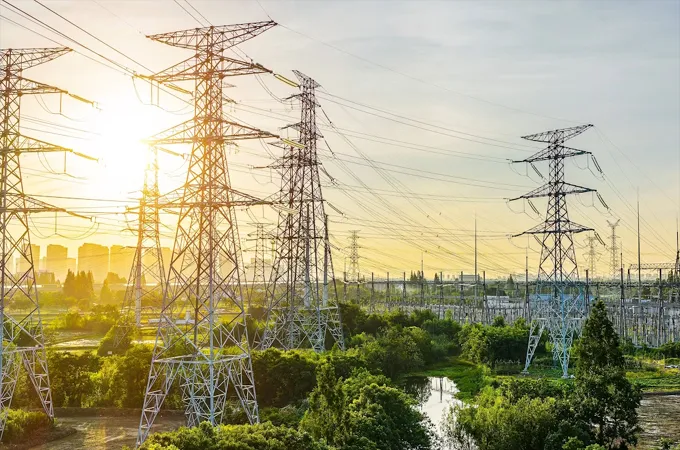
The International Energy Agency (IEA) expects global electricity demand to grow 3.6 per cent in 2026 and 3.8 per cent in 2027, driven by electrification, data centres and industrial demand despite LNG market disruptions and energy price volatility.
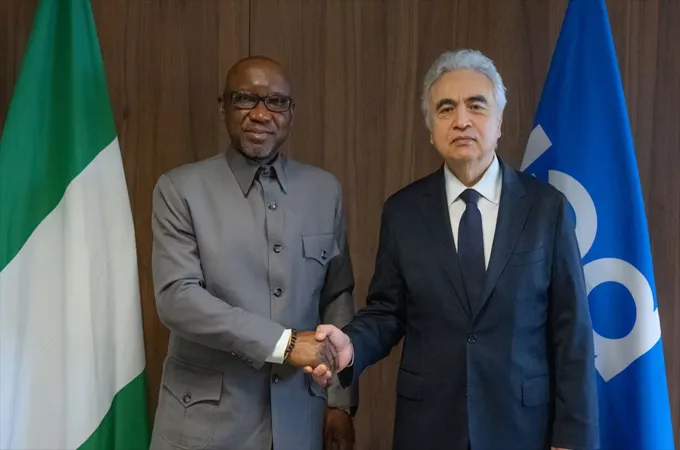
The International Energy Agency (IEA) has unanimously approved Nigeria’s entry as an Association country, strengthening cooperation with Africa’s most populous nation and expanding the IEA Family to represent over 80 per cent of global energy demand.
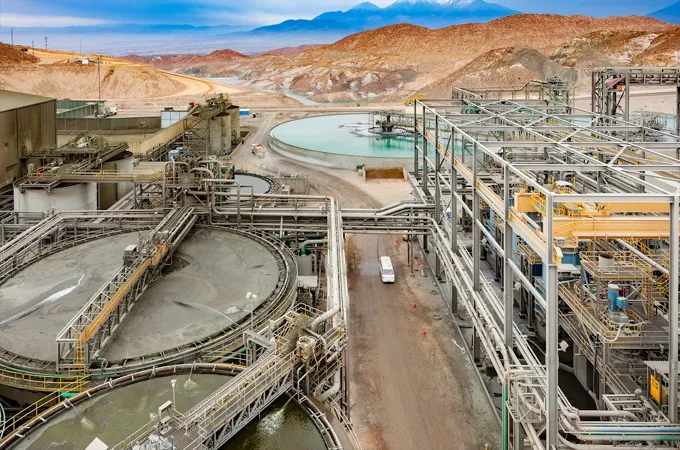
The International Energy Agency (IEA) has warned that global supply chains for critical minerals remain highly vulnerable despite growing efforts to diversify production, with rising geopolitical tensions and export restrictions posing significant risks to energy security and industrial growth.

A recovery in world oil demand is underway, with consumption set to rise from its May nadir on seasonal trends and as pent-up demand is released in line with a rebound in product supplies, says an International Energy Agency (IEA) report.