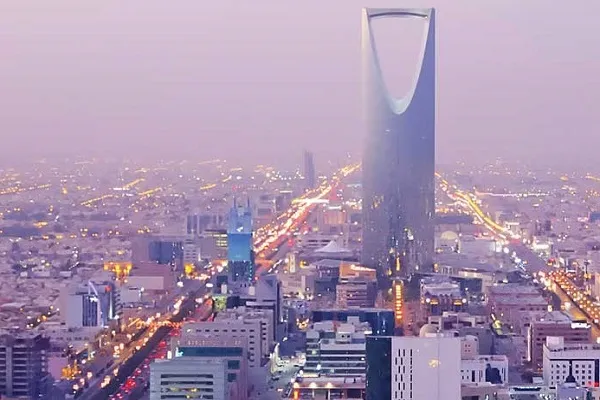
Saudi economy is set to remain resilient, underpinned by strong oil-sector infrastructure and continued economic diversification, said a report. Revenues are projected to rise 1% in 2027 to SAR1.2 trillion ($314 billion), compared with the 2026 estimate, while government spending is likely to fall 3%.
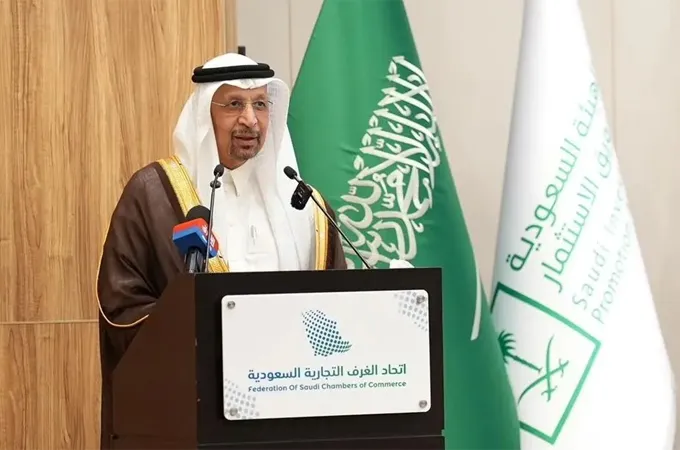
The contribution of Saudi Arabia's private sector to the gross domestic product (GDP) has doubled in ten years, rising from SAR1.1 trillion ($293.31 billion) in 2016 to about SAR2.3 trillion ($613.28 billion) today, said Minister of Investment Khalid Al-Falih.
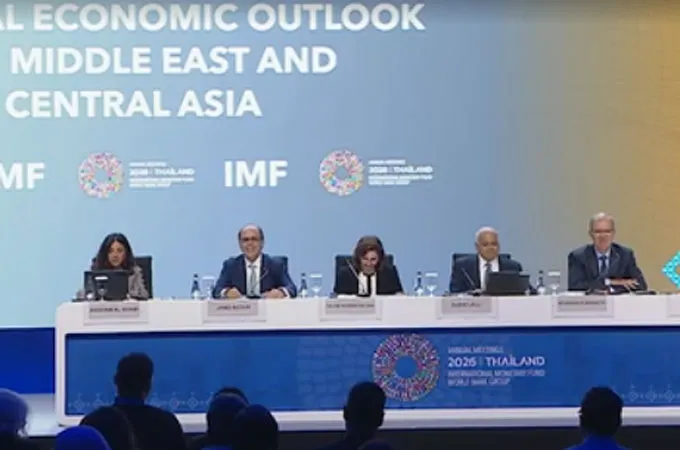
The Middle East, North Africa and Pakistan are poised for a sharp economic recovery in 2027, with growth projected to reach 6.6 per cent after a war-induced contraction this year, although the International Monetary Fund (IMF) has warned that the rebound will be uneven and depend heavily on the restoration of energy production and trade.
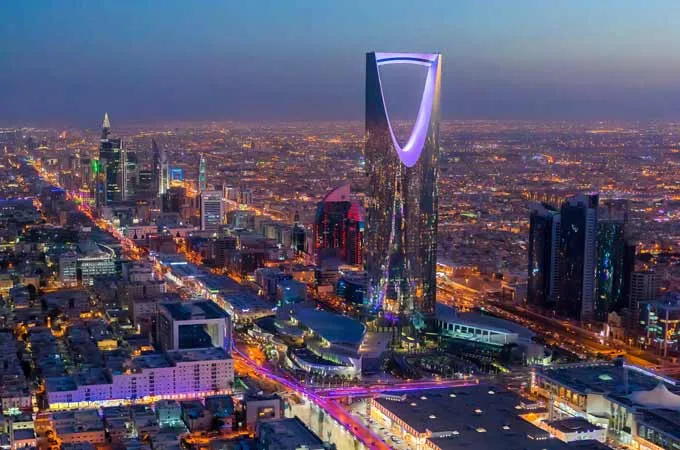
Saudi Arabia's real GDP is expected to contract 3.6% in 2026, largely because of a sharp decline in oil activity, even as the non-oil economy continues to expand, according to the Ministry of Finance's Pre-Budget Statement for 2027.

The UAE tourism sector delivered a robust performance last year, with its contribution to the national GDP rising to 15 per cent, compared to six per cent in 2021, said Abdulla bin Touq Al Marri, Minister of Economy and Tourism.

Dubai’s economy continued its upward trajectory in 2025, delivering strong growth that underscores its resilience and sustained momentum. Its economy expanded for the first nine months to hit AED355 billion, up 4.7% over the previous year, said a report.

Saudi Arabia has become a major global player in tourism, with the sector now contributing approximately 5% of the kingdom’s GDP and accounting for nearly 5% of total employment, said Ahmed Al-Khateeb, Minister of Tourism of the Kingdom of Saudi Arabia.