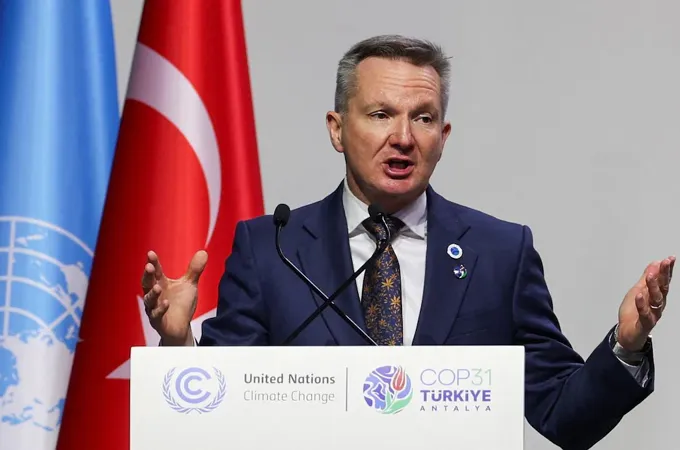
The Oil & Gas Decarbonisation Charter (OGDC) has reported significant progress in emissions monitoring, methane reduction and lower-carbon investment, with more participating companies moving from climate commitments to practical implementation, according to its 2026 Status Report: Strengthening Delivery, released on the sidelines of COP31.
The report found that
52 of the 56 signatories covered during the reporting period submitted
emissions data, up from 50 in the previous year, covering 97% of OGDC-operated
production. Four companies reported their operational emissions for the first
time, while another national oil company established its emissions baseline and
shared data with the initiative.
OGDC brings together
57 oil and gas companies operating in more than 100 countries and representing
approximately one-third of global oil and gas production.
A key finding was the
increase in companies establishing emissions reduction targets and supporting
action plans. A total of 46 signatories, representing 96% of OGDC production,
have now set interim 2030 Scope 1 and 2 emissions ambitions, compared with 42
in the previous year.
Of these, 42 companies
have developed action plans to achieve their targets, up from 37 last year and
40% higher than the number recorded in the 2024 Baseline for Action report.
Investment is also
increasing, with 35 signatories accounting for 84% of OGDC-operated production
allocating capital towards their interim emissions goals. Half of these
companies reported that their budgets now cover their entire decarbonisation
roadmaps.
In 2025, 34
signatories reported approximately $28 billion in lower-carbon investments
and acquisitions, highlighting the growing financial commitment to emissions
reduction initiatives.
Methane reduction and
flaring efforts accelerate
Methane emissions
management remains a major priority, with 39 signatories now having methane
action plans, an increase of nearly 60% since the 2024 baseline report.
Progress in
eliminating routine flaring was also recorded. A total of 42 companies,
representing 90% of OGDC-operated production, have established action plans to
end routine flaring, marking a 75% increase.
The report also
highlighted improvements in emissions measurement and verification. Thirty-nine
signatories, covering 92% of OGDC-operated production, have introduced
individual third-party verification procedures for their emissions data. EY
independently reviewed company disclosures and supporting evidence.
The adoption of direct
methane measurement technologies is also expanding. Twenty-one signatories now
use direct measurement technologies for most of their reported methane
emissions, while a further 18 use them for some reported emissions.
On transparency, 30
companies shared additional information with the OGDC Secretariat on an
individual basis, helping identify areas of progress and where further support
is required.
Industry collaboration
expands
The report found that
participation in technical training and knowledge-sharing activities has
increased substantially since OGDC's launch. More than 4,000 professionals from
signatory companies have participated in technical workshops and training, ten times
the number recorded in the 2024 Baseline for Action report.
The initiative's
Collaborate & Share programme supports companies at different stages of
their decarbonisation journeys through technical expertise, knowledge exchange
and practical assistance.
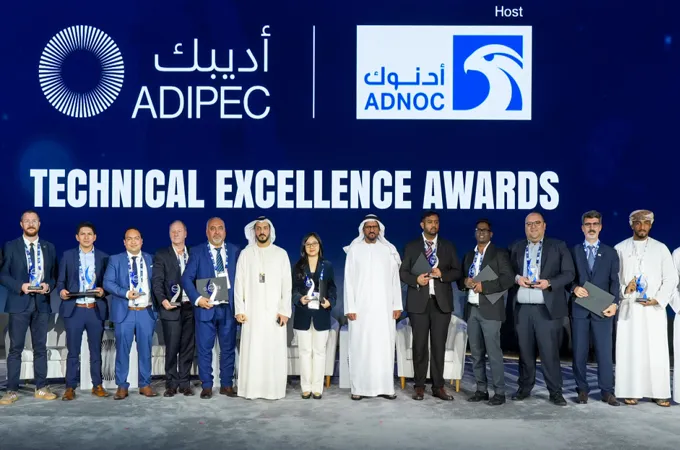
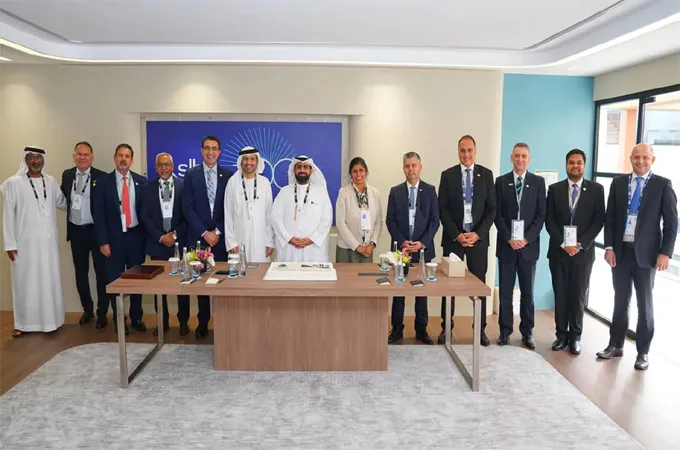
Leadership engagement has also continued, with 22 CEOs from signatory companies attending the third annual OGDC CEO Gathering in Abu Dhabi on November 1 ahead of ADIPEC.
The
meeting reviewed progress and priorities towards 2030. Searah joined the
initiative as its newest signatory, bringing total membership to 57 companies.
Dr Sultan Al Jaber,
Managing Director and Group CEO of ADNOC and OGDC CEO Champion, said: “Against
a backdrop of geopolitical uncertainty and disrupted energy markets, energy
security and resilience have taken on renewed importance. The world needs more
energy, with fewer emissions, and these goals must advance together. OGDC is
making a practical contribution by helping our industry become more efficient
and resilient, while supporting the reliable energy supplies the world depends
on. Technology, including AI, and the power of partnership will be critical to
accelerating this progress. This year's progress report shows what is possible
when companies work together, share knowledge and focus on implementation.
Three years after its launch at COP28, OGDC continues to turn shared ambition
into practical action at scale.”
Amin Nasser, President
and CEO of Aramco and OGDC CEO Champion, said: “Progress starts with accurate
measurement, and this year's data is the most complete OGDC has produced. More
signatories are reporting, more are measuring upstream methane emissions directly
and more data is being independently verified. Better data helps companies see
where their emissions come from and where to target investment and technology,
including AI. This is how we will continue to make measurable progress on
emissions mitigation initiatives, while maintaining the energy security the
world demands.”
Patrick Pouyanné,
Chairman and CEO of TotalEnergies and OGDC CEO Champion, added: “Three years
after its launch, OGDC is advancing collective ambition through practical
action and growing cooperation on mitigating emissions. Against a backdrop of
unpredictable times, all signatories have maintained their focus on the
Charter, working to deliver measurable progress. In particular, reducing
methane emissions and eliminating routine flaring are actions we can take
today, with existing technologies, and they remain our priority. This is the
purpose of the OGDC: working together, sharing solutions and supporting every
company in delivering on its commitments, strengthening their resilience while
continuing to provide the energy the world demands. We encourage all IOCs and
NOCs to join this collective effort.”
Bjørn Sverdrup, Head of the OGDC Secretariat and Chair of the Executive Committee, OGCI, said: “The direction is clear: engagement is increasing, reporting is strengthening, more companies have action plans in place, and more capital is being allocated behind those plans. This progress reflects a growing culture of trust and collaboration across OGDC. Our focus now is to build on that momentum towards delivery. Better data, practical support, peer collaboration and technology are giving companies the tools to identify emissions sources, prioritize action and accelerate decarbonization. Through Collaborate & Share, experience is becoming capability, and capability is becoming action. With four years to go until 2030, the priority is to get more complete data, scale proven solutions and turn plans into more projects. We are grateful to the G7 and COP Presidencies for their constructive challenge, support and momentum, and we look forward to the work ahead.” -OGN/TradeArabia News Service